The short answer
- Keep xylitol, grapes and raisins, chocolate, onions and garlic, macadamias, alcohol, caffeine and raw dough well out of your dog's reach.
- Check labels for xylitol, birch sugar or wood sugar in gum, nut butters and toothpaste, because it can crash blood sugar within an hour.
- Treat any amount of grapes, raisins or sultanas as an emergency, since there is no known safe amount.
- Call your vet or a poison helpline straight away with what was eaten, how much, when and your dog's weight.
- Don't make your dog vomit or give milk, oil or salt unless a vet tells you to.
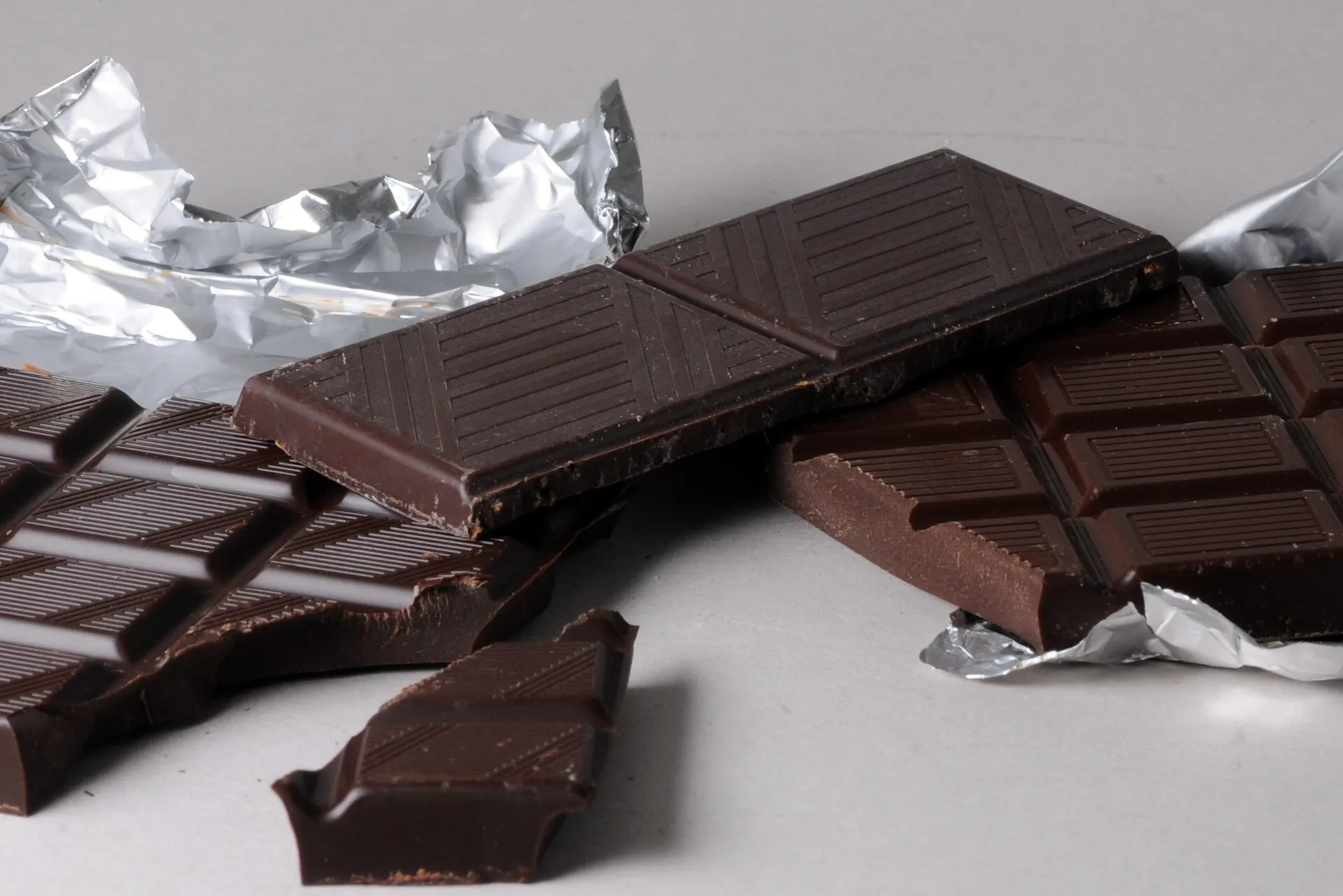
The foods most likely to seriously poison a dog are chocolate, xylitol (also sold as birch sugar), grapes and raisins, onions, garlic and other alliums, macadamia nuts, alcohol, caffeine and raw yeast dough. Cooked bones and fruit stones are dangerous in a different way: they break teeth and block or tear the gut. If your dog has eaten any of these, call your vet or a pet poison helpline now. Don’t wait for symptoms, because several of these poisons cause no signs for hours or days.
Quick reference: toxic foods, symptoms and urgency
| Food | Why it’s harmful | Typical symptoms | Urgency |
|---|---|---|---|
| Xylitol / birch sugar | Triggers a big insulin release, so blood sugar crashes; can damage the liver | Vomiting, weakness, wobbling, collapse, seizures | Emergency: signs can start within 10–60 minutes |
| Grapes, raisins, sultanas, currants (Zante) | Probably tartaric acid; causes acute kidney injury | Vomiting or diarrhoea in 6–12 hours, then lethargy, drinking more, then little or no urine | Emergency, even if your dog seems fine |
| Chocolate, cocoa | Theobromine and caffeine overstimulate the heart and nervous system | Vomiting, thirst, restlessness, racing heart, tremors, seizures | Call now; dark and baking chocolate are worst |
| Onions, garlic, leeks, chives | Oxidise and destroy red blood cells | Pale gums, weakness, red-brown urine, fast breathing, often days later | Call now; damage is delayed |
| Macadamia nuts | Unknown toxin | Weakness (often back legs), wobbling, tremors, high temperature | Call for advice; usually not fatal |
| Alcohol | Depresses the nervous system, drops blood sugar and temperature | Wobbling, vomiting, slow breathing, coma | Emergency |
| Raw yeast dough | Expands in the stomach and ferments into alcohol | Swollen belly, unproductive retching, drunkenness | Emergency |
| Coffee, tea, energy drinks, caffeine pills | Same stimulant group as chocolate | Hyperactivity, racing heart, tremors | Call now; pills and grounds are concentrated |
| Cooked bones | Splinter; obstruct or puncture the gut | Retching, straining, bloody stool, pain | Call now if symptoms appear |
| Avocado stone, peach and plum stones, corn cobs | Obstruction | Repeated vomiting, not eating, belly pain | Call if swallowed whole |
| Salty foods, salt dough | Salt poisoning disturbs blood electrolytes | Vomiting, extreme thirst, tremors, seizures | Call now for large amounts |
| Fatty scraps, other nuts | Stomach upset, possible pancreatitis | Vomiting, diarrhoea, hunched posture | Call if vomiting continues |
Chocolate: how much is too much?
Chocolate contains methylxanthines, mainly theobromine with some caffeine.
The Merck Veterinary Manual gives these approximate thresholds for theobromine plus caffeine combined:
- About 20 mg per kg of body weight (9 mg per lb): mild signs such as vomiting, diarrhoea and excessive thirst.
- 40–50 mg/kg (18–23 mg/lb): effects on the heart, such as a fast or irregular heartbeat.
- 60 mg/kg or more (27 mg/lb): seizures are possible.
Merck puts the lethal dose at 100–200 mg/kg but notes that severe illness and death can happen at lower doses, so treat these as rough markers rather than safe limits.
The type of chocolate matters as much as the amount. Merck lists these approximate methylxanthine levels:
| Product | mg per gram | mg per ounce |
|---|---|---|
| Cocoa powder | 28.5 | 807 |
| Unsweetened baking chocolate | 15.5 | 440 |
| Dark and semisweet chocolate | 5.3–5.6 | 150–160 |
| Milk chocolate | 2.3 | 64 |
| White chocolate | 0.04 | 1.1 |
A worked example shows why this matters. A 10 kg (22 lb) dog that eats a 50 g (1.8 oz) bar of dark chocolate takes in roughly 275 mg, or about 27 mg/kg. That is past the threshold for vomiting and restlessness. The same dog eating 50 g of milk chocolate gets about 115 mg, or 11–12 mg/kg, which is less likely to cause serious signs but still worth a call. Cocoa powder and baking chocolate can reach the seizure range in surprisingly small amounts. Real products vary, so let the helpline or your vet do the maths with you.
Signs usually appear 6–12 hours after eating and can last up to 72 hours in severe cases. Cocoa bean mulch, used in some gardens, contains the same compounds.
Xylitol (birch sugar): the fastest-acting danger
Xylitol is a sugar substitute. In people it barely touches blood sugar. In dogs it causes a rapid insulin surge, and blood sugar can drop dangerously within 10 to 60 minutes, according to the US FDA. Signs are vomiting, then weakness, staggering, collapse and seizures.
Merck links doses above roughly 100 mg/kg (0.1 g/kg) with low blood sugar and doses above about 500 mg/kg with liver injury in some dogs. Liver damage may not show until 24–48 hours later, so dogs often need monitoring even when they seem well at first.
Check labels for xylitol, birch sugar or wood sugar. It turns up in:
- Sugar-free gum, mints and sweets
- Some peanut and nut butters
- Sugar-free baked goods and desserts
- Human toothpaste and mouthwash
- Chewable vitamins and some liquid medicines
A handbag on the floor with a pack of gum in it is the classic scenario.
Grapes, raisins and the tartaric acid discovery
Grapes and raisins can cause acute kidney injury in dogs. For years the cause was a mystery, and so was the strange pattern where some dogs ate a bunch without harm while others went into kidney failure after a handful.
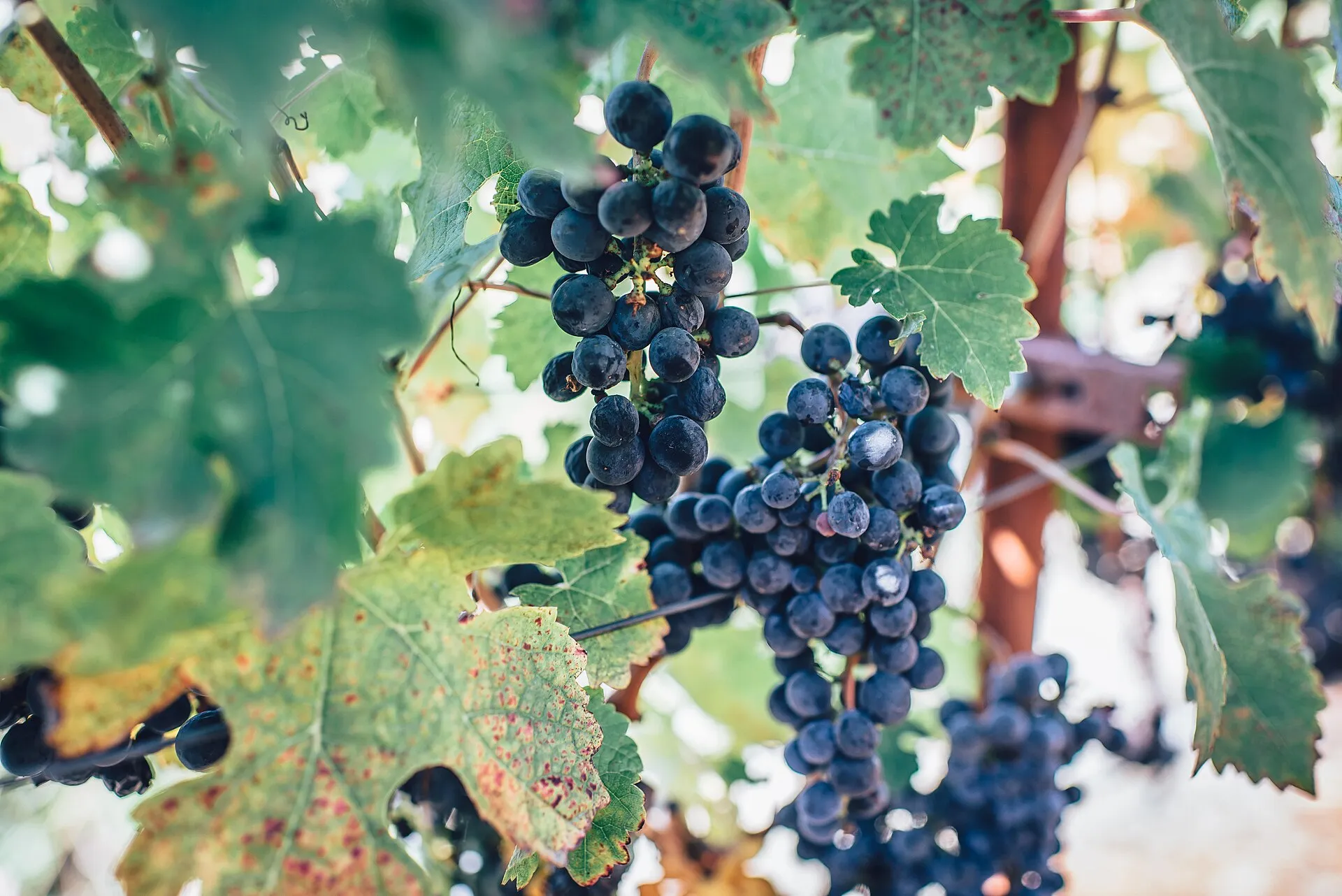
The leading explanation now is tartaric acid. Around 2021, toxicologists at the ASPCA Animal Poison Control Center proposed it after noticing that dogs who ate cream of tartar (potassium bitartrate, a common ingredient in homemade playdough) developed a very similar kidney injury. Tamarind, another fruit rich in tartaric acid, has since been linked to the same problem. The ASPCA now lists tartaric acid as the suspected toxin, and the current Merck Veterinary Manual names it as the proposed toxic principle, explaining that dogs appear to lack certain transporters that would clear it from kidney cells.
Merck notes that tartaric acid content varies between fruits, which would explain the unpredictability. The evidence is strong but not final, it doesn’t tell you which grape is safe, and it puts tamarind and cream of tartar on the avoid list too.
What we know for practical purposes:
- Merck notes that more than one grape or raisin per 4.5 kg (10 lb) of body weight may be a risk to the kidneys. There is no known safe amount.
- Sultanas and Zante currants (the dried fruit in many cakes, buns and mince pies) count as raisins. True currants from Ribes bushes, such as blackcurrants, have not been linked to kidney injury.
- Vomiting or diarrhoea usually starts within 6–12 hours. Kidney failure can follow over 24–72 hours.
- Once a dog stops producing urine, the outlook is poor without dialysis. Early decontamination and IV fluids for at least 48 hours give the best chance.
Onions, garlic and other alliums
Onions, garlic, leeks, shallots, chives and spring onions contain sulfur compounds that damage red blood cells, leading to a type of anaemia. Merck reports signs in dogs after about 15–30 g of raw onion per kg of body weight, and notes that garlic is roughly 3–5 times more toxic than onion.
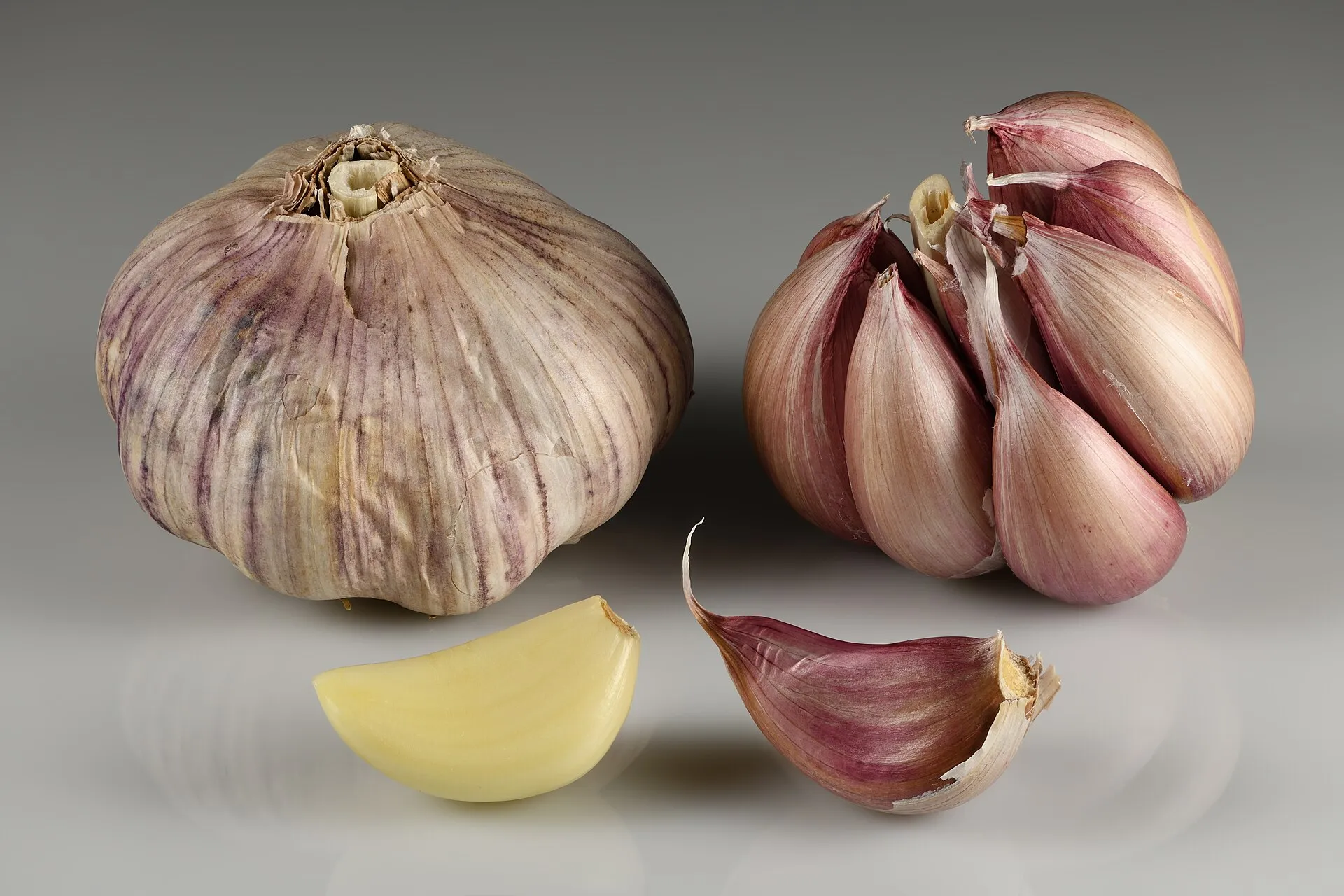
Cooking doesn’t make alliums safe. Dried onion and garlic powder are concentrated and turn up in gravy, stock cubes, soup mixes, seasoned meat and some baby foods. The damage is delayed: anaemia usually becomes obvious 3–5 days after eating, so a dog that seemed fine after the barbecue can turn pale and weak later in the week. Watch for pale gums, tiredness, fast breathing and dark or reddish urine.
Macadamia nuts
Macadamias cause weakness (often in the back legs), wobbliness, tremors, vomiting and a raised body temperature. Merck reports signs after about 2.4 g/kg, which is only a few nuts for a small dog. Signs usually start within 12 hours and settle within 12–48 hours. It is rarely fatal, but chocolate-coated macadamias add a second poison, so call for advice.
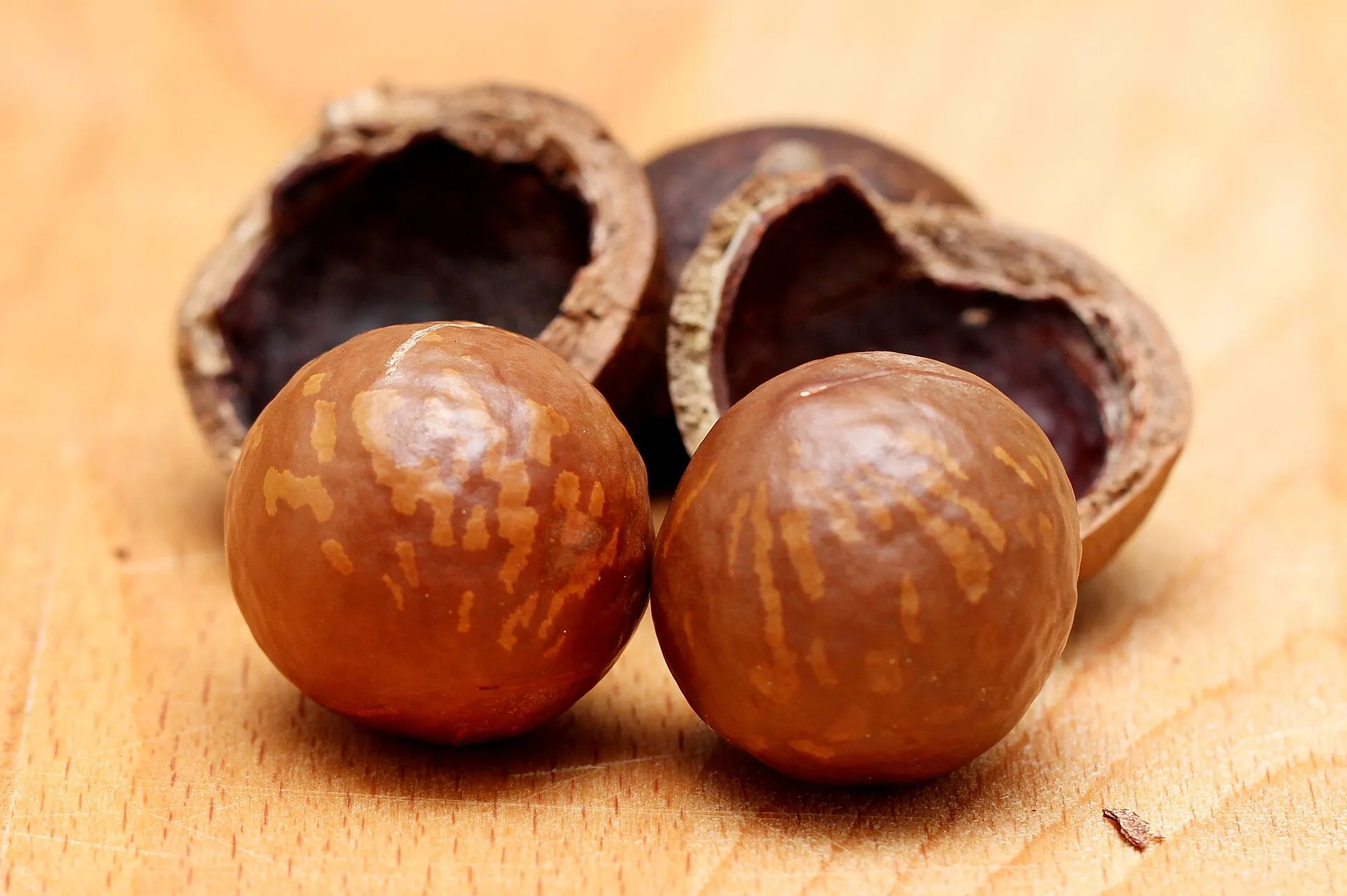
Other nuts such as almonds, pecans and walnuts aren’t toxic in the same way. Their high fat content can still cause vomiting and diarrhoea and may trigger pancreatitis, according to the ASPCA.
Alcohol, caffeine and raw dough
Alcohol is absorbed fast. Dogs can develop vomiting, poor coordination, low blood sugar, low body temperature, slow breathing and coma. Sweet cocktails, cream liqueurs and fermenting fruit all count.
Caffeine works like the theobromine in chocolate. Coffee grounds, tea bags, energy drinks and caffeine tablets are the concentrated sources; a lick of a latte is a different story from a chewed packet of pills.
Raw yeast dough is a double hazard. The Pet Poison Helpline explains that it expands in the warm stomach, which can stretch it and, at worst, lead to gastric dilatation-volvulus (a twisted stomach). Meanwhile the yeast ferments sugars into alcohol. Signs include a swollen belly, retching without bringing anything up, and drunken behaviour. Baked bread doesn’t carry the same risk.
Avocado: less scary than its reputation
Avocado contains persin, which is genuinely dangerous to birds, rabbits, horses, goats and sheep. The ASPCA and the Pet Poison Helpline both say dogs are much less affected. For dogs, the realistic risks are the stone (a common cause of gut blockage) and the fatty flesh upsetting the stomach. Keep the stones away, and treat guacamole as a no because it usually contains onion or garlic.
Cooked bones and other things that cause physical damage
Not every dangerous food is a poison. Cooked bones become brittle and can splinter, causing mouth injuries, choking, constipation, blockages or perforations of the gut. The ASPCA notes that raw bones also carry obstruction risks and can require surgery. Fruit stones, corn cobs and kebab skewers left with meat on them cause similar problems.
Signs of a blockage include repeated vomiting, retching, refusing food, a painful belly and straining to pass faeces. These can appear a day or more after the bone disappears.
What to do if your dog eats something toxic
- Take it away and note the details. What it was, roughly how much, and when. Keep the packet or wrapper.
- Weigh your dog, or estimate. Toxic doses are calculated per kg or lb.
- Call your vet or a poison helpline straight away. Many poisons are treatable when caught early and much harder once signs develop.
- Don’t make your dog vomit unless you are told to. Vets use dog-specific drugs to do this, and vomiting is the wrong choice for some substances and for dogs that are already drowsy or seizing.
- Don’t give milk, oil or salt. Salt is itself a poison in dogs.
- Go in if advised. Bring the packaging.
See a vet now if:
- Your dog has eaten anything containing xylitol, any amount of grapes or raisins, or raw dough
- Your dog is trembling, staggering, collapsing or having a seizure
- Your dog’s belly is swelling, or it is retching without bringing anything up
- The gums look pale, white or bluish
- Your dog has eaten dark chocolate, baking chocolate or cocoa powder and is small
- You can’t reach a helpline and aren’t sure
Pet poison helplines by country
These services are staffed by veterinary toxicology specialists. Most charge a consultation fee, and fees change, so check their websites. Your own vet or nearest emergency clinic is always an option, and in many countries it’s the only one.
| Country | Service | Phone | Notes |
|---|---|---|---|
| United States | ASPCA Animal Poison Control Center | (888) 426-4435 | 24/7, consultation fee may apply |
| United States | Pet Poison Helpline | (855) 764-7661 | 24/7, about US$99 per incident including follow-up calls |
| United Kingdom | Animal PoisonLine (run by the Veterinary Poisons Information Service) | 01202 509 000 | 24/7, £35 weekdays 8am–8pm, £45 at other times |
| Australia | Animal Poisons Helpline | 1300 869 738 | 24/7, consultations from about AU$79 |
| New Zealand | Animal Poisons Helpline | 0800 869 738 | Same service as Australia |
The Animal Poisons Helpline website also lists numbers for callers in the US, Canada and Singapore. If you live elsewhere, including Ireland, Canada, India and most of the EU, save your vet’s out-of-hours number and the nearest 24-hour emergency clinic in your phone today, before you need them.
Treatment can mean induced vomiting, activated charcoal, blood tests and days on IV fluids, and costs vary a great deal by country and clinic.
The bottom line
Xylitol, grapes and raisins, chocolate, alliums, macadamias, alcohol, caffeine and raw dough are the foods to keep out of reach, and cooked bones and fruit stones belong in a bin with a lid. The dose matters for some of these, but grapes and xylitol can hurt dogs at amounts that look trivial. If your dog eats something on this list, call your vet or a poison helpline before symptoms start, with the product, the amount and your dog’s weight to hand. Put the helpline number for your country in your phone now.
Questions owners ask
How much chocolate is toxic to a dog?
Mild signs can start at around 20 mg of theobromine and caffeine per kg of body weight, heart effects at 40–50 mg/kg and seizures at 60 mg/kg or more. Dark and baking chocolate reach those levels in much smaller amounts than milk chocolate, so call a vet or poison line with the type, amount and your dog's weight.
My dog ate one grape. Should I worry?
Yes, call your vet or a poison helpline. Some dogs develop kidney injury after small amounts and nobody can predict which dogs will react, so vets treat any grape or raisin ingestion as potentially serious.
Should I make my dog vomit at home?
Not unless a vet or poison helpline tells you to. Vomiting is the wrong move for some substances and some dogs, and vets have dog-specific drugs that work more reliably and safely.
Is a little bit of garlic safe for dogs?
Garlic is roughly 3–5 times more toxic than onion, and the damage to red blood cells builds up, so small repeated amounts can also cause trouble. There is no established safe dose, so it is best left out of your dog's food.
Is avocado poisonous to dogs?
Avocado is far more dangerous to birds, rabbits, horses and ruminants than to dogs. For dogs the main risks are the large stone, which can block the gut, and stomach upset from the fatty flesh.
Sources
- Merck Veterinary Manual: Chocolate Toxicosis in Animals
- Merck Veterinary Manual: Xylitol Toxicosis in Dogs
- MSD Veterinary Manual: Raisin and Grape Toxicosis in Dogs
- Merck Veterinary Manual: Allium spp Toxicosis in Animals
- Merck Veterinary Manual: Macadamia Nut Toxicosis in Dogs
- ASPCA: People Foods to Avoid Feeding Your Pets
- US FDA: Paws Off Xylitol; It's Dangerous for Dogs
- Pet Poison Helpline: Bread Dough
This guide is general information, not a substitute for advice from a vet who has examined your dog. Every claim is checked against the sources above. How we research and fact-check. Spotted an error? Tell us.