The short answer
- Insure a French Bulldog puppy before its first vet visit notes snoring, noisy breathing or narrow nostrils, because those notes can make BOAS pre-existing.
- Ask every insurer in writing whether BOAS surgery, hereditary and congenital conditions, and conditions linked to a flat face are covered.
- Choose a policy whose limits renew each year, since skin, eye and ear problems in Frenchies tend to recur for life.
- Look for an annual vet fee limit that could pay for airway surgery and a spinal operation in the same year.
- Ask the breeder for the parents' BOAS grades, which tell you something about your puppy's risk.
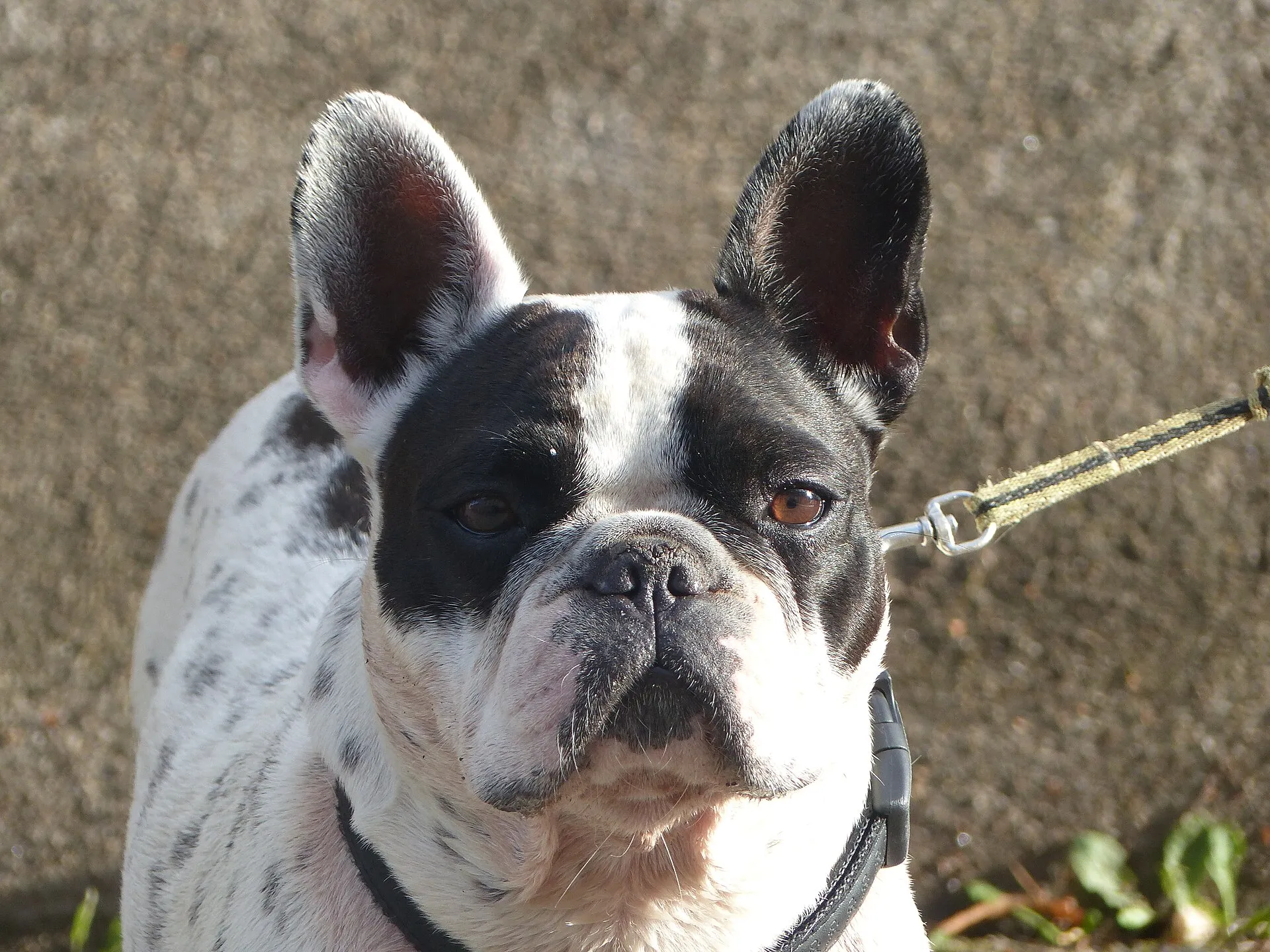
French Bulldogs cost more to insure than most breeds because they claim more, mainly for breathing problems, skin disease, eye ulcers and ear infections. The two things that matter most when you buy are getting cover before any vet notes a breathing problem, and checking that the policy doesn’t quietly exclude conditions caused by the breed’s flat face.
Get those right and a good policy is one of the most useful things a Frenchie owner can buy. Get them wrong and you can pay a high premium for years for a policy that won’t touch the claims you’re most likely to make.
Why French Bulldogs cost more to insure
Insurers set prices partly by breed, and the NAIC, which coordinates US state insurance regulators, says plainly that cost “may vary based on the amount and type of coverage as well as the breed or species”. For French Bulldogs, the claims data explains why.

A Royal Veterinary College VetCompass study compared the vet records of 2,781 French Bulldogs with 21,850 other dogs in the UK in 2016. Frenchies had higher odds of 20 of the 43 common disorders studied. The biggest differences were:
| Disorder | Odds compared with other dogs |
|---|---|
| Narrowed nostrils (stenotic nares) | 42.14 times |
| Brachycephalic obstructive airway syndrome (BOAS) | 30.89 times |
| Ear discharge | 14.40 times |
| Skin fold dermatitis | 11.18 times |
It isn’t all bad news. The same study found Frenchies had lower odds of 11 disorders, including obesity, lameness and unwanted behaviour.
Insurers’ own data points the same way. Agria’s 2025 UK claims data lists the five conditions most often claimed for French Bulldogs as allergic skin disease, corneal ulcers, atopy, seizures and outer ear infections. Petplan names respiratory disorders including BOAS, corneal ulcers and cherry eye, back and spine problems including slipped discs, ear infections and skin allergies as the conditions Frenchies get more often than other breeds.
BOAS: the clause that decides whether a policy is worth having
BOAS happens when the soft tissue in a short-nosed dog’s nose and throat partly blocks the airway. The University of Cambridge describes it as progressive, limiting exercise, play, eating and sleep. Surgery to widen the nostrils and shorten the soft palate is common, and expensive.
There are three ways a policy can fail to cover BOAS.
1. It’s treated as pre-existing. Trupanion, for example, says clinical signs of BOAS or other nasal-structure problems that appear before you enrol count as pre-existing, even if the dog was never formally diagnosed. In practice, that means a puppy check that records “snoring”, “noisy breathing” or “narrow nostrils” can be enough.
2. The policy excludes it outright. The NAIC warns that breed-specific hereditary conditions may be excluded from some plans. Read the exclusions for any mention of BOAS, brachycephalic conditions, conformation, or respiratory disease.
3. It’s covered, but capped. Some policies have a sub-limit for named conditions or a low per-condition limit. In Australia, CHOICE says the policies it rates highest for flat-faced breeds include BOAS cover and an annual limit of at least A$20,000.
Trupanion says it covers brachycephalic-related illnesses, including corrective BOAS surgery, as long as they aren’t pre-existing or excluded on your policy. That’s the standard worth holding other insurers to.
Hereditary and congenital conditions
Many Frenchie problems are inherited or present from birth, so how a policy treats hereditary and congenital conditions matters almost as much as BOAS.

The NAIC notes that conditions a pet is born with, or inherits, may have only a limited benefit on some plans. US states that have adopted pet insurance laws based on the NAIC’s model act require more transparency. Washington’s law, in force since January 2024, makes insurers disclose whether a policy excludes pre-existing conditions, hereditary disorders, congenital conditions or chronic conditions, and use the law’s own definitions of those terms.
Outside those states, and in other countries, look for a clear statement in the policy wording. If it isn’t there, ask the insurer to confirm in writing that hereditary and congenital conditions are covered, provided signs didn’t appear before cover began.
What treatment costs without insurance
These are published figures, not quotes. Prices vary by country, city, clinic and how severe the problem is.
| Cost | Figure | Source and year |
|---|---|---|
| BOAS assessment, UK referral hospital | £326 | Langford Vets, University of Bristol, April 2025 |
| BOAS surgery, UK referral hospital | £3,775, including ICU stay, anaesthetic and medication | Langford Vets, April 2025 |
| BOAS claims, US | $1,400–$2,900 a year | Trupanion claims data, 2022–2024 |
| Eye problems such as corneal ulcers, US | $200–$1,000 a year | Trupanion claims data, 2022–2024 |
| Ear infections, US | $100–$200 a year | Trupanion claims data, 2022–2024 |
| BOAS treatment, Australia | A$3,174 average, A$29,775 highest | Petsure claims data for 2024, via CHOICE |
| Corneal ulcer treatment, Australia | Over A$1,000 average, A$19,420 highest | Petsure data, via CHOICE |
Trupanion’s figures cover flat-faced breeds including Pugs and French Bulldogs, which it says are 8–10 times as likely as the average dog to claim for BOAS. For Canada, Ireland and the EU, ask your vet for an estimate; we couldn’t find published breed-specific figures.
What a French Bulldog actually pays for cover
We won’t quote premiums as fact, because they change with your dog’s age, your postcode or ZIP code, the cover level and the excess or deductible. Two published figures give a sense of scale:
- Agria’s UK breed page says insuring a Frenchie “could set you back somewhere in the mid £900s” a year.
- Spot reports an average of $69.59 a month across its US French Bulldog policyholders in 2025.
Both are higher than for many breeds, and both will rise as your dog ages. If a quote for a Frenchie looks unusually cheap, check the exclusions and limits before you celebrate.
Choosing the right type of policy
Lifetime or annual-reset cover. Allergic skin disease, ear problems and corneal ulcers often come back. In the UK and Ireland, a lifetime policy that renews the limit each year keeps paying for those conditions as long as you renew. Time-limited and per-condition policies can stop paying for a condition after 12 months or once a cap is used up. Our guide to lifetime pet insurance in the UK explains the differences.
An annual limit big enough for a bad year. Airway surgery at a referral hospital can cost close to £4,000 on its own, and Frenchies are also prone to slipped discs. A low limit could run out in one episode.
Accident and illness, not accident-only. Accident-only cover won’t touch BOAS, skin disease or ear infections.
Clear terms on eyes, skin and ears. These are the everyday claims. Check for sub-limits or exclusions, and whether ongoing treatment for allergies is covered year after year.
If your Frenchie already has symptoms
If your dog already snores heavily, struggles in the heat or has had skin or ear treatment, expect those problems, and anything linked to them, to be excluded on a new policy. That doesn’t make insurance pointless: a Frenchie with a BOAS exclusion can still need cover for a corneal ulcer, a slipped disc or a swallowed sock.
Two things are worth asking. First, whether the insurer ever reviews pre-existing conditions: the NAIC says some US insurers treat “curable” pre-existing conditions differently from incurable ones, sometimes covering them after a waiting period. Second, if you’re switching insurer, think hard before cancelling an existing policy that already covers a condition, because the new one almost certainly won’t.
Before you buy: a checklist
- Insure early. Cover your puppy as soon as the insurer allows, before its first vet visit adds notes about breathing or skin.
- Ask the breeder for BOAS grades. In the UK, the Kennel Club and University of Cambridge Respiratory Function Grading Scheme grades Pugs, French Bulldogs and Bulldogs from 0 (no signs) to 3 (severe), and grade 3 dogs shouldn’t be bred from. A good grade in the parents doesn’t guarantee a healthy puppy, but it’s a useful sign.
- Get the exclusions in writing. Ask specifically about BOAS, brachycephalic or conformation-related conditions, hereditary and congenital conditions, and spinal disease.
- Check the vet exam rule. Some insurers want a vet exam at the start of cover. Washington’s law lets insurers require one and says the exam can be used to document pre-existing conditions, so know what it found.
- Understand how pre-existing is judged. Our guide to pre-existing conditions covers how insurers decide.
Frenchies are also prone to ear problems; our guide to dog ear infections explains the early signs.
The bottom line
A French Bulldog is one of the breeds where insurance earns its keep, but only if the policy covers what Frenchies actually get. Insure as a puppy, before vet notes mention breathing, and read the exclusions for BOAS, brachycephalic conditions and hereditary disease. Pick cover that renews its limits each year, with enough headroom for airway or spinal surgery. Then keep up with check-ups, so your claims history shows a well-cared-for dog rather than a problem that was ignored.
Questions owners ask
Can you insure a French Bulldog that already has BOAS?
Usually only with BOAS, and anything linked to it, excluded as pre-existing. Some insurers treat clinical signs such as noisy breathing as pre-existing even without a formal diagnosis. A few policies are designed to cover some pre-existing conditions, at a higher price, so ask specifically.
Is BOAS surgery covered by pet insurance?
On many accident and illness policies, yes, as long as BOAS wasn't present or noted before cover started and the policy doesn't exclude breathing problems linked to a flat face. Accident-only policies won't cover it.
At what age should I insure a French Bulldog?
As early as the insurer allows, often from about 8 weeks. The aim is to start cover before any vet records mention breathing, skin, eye or ear problems.
Do French Bulldogs cost more to insure than other dogs?
Yes. Insurers price by breed, and Frenchies have a higher risk of many common conditions. Your quote also depends on your dog's age, where you live, the level of cover and the excess or deductible you choose.
Should I choose lifetime cover for a French Bulldog in the UK?
For most Frenchies it makes sense, because the conditions they're prone to, like skin allergies and eye problems, often need treatment year after year. Time-limited or per-condition policies can stop paying for a condition just when it becomes long-term.
Sources
- O'Neill et al. (2021): French Bulldogs differ to other dogs in the UK in propensity for many common disorders, Canine Medicine and Genetics
- EurekAlert!/BMC: French Bulldogs have higher risk of 20 common health disorders (December 2021)
- University of Cambridge: Scheme launched to improve health of French Bulldogs, Pugs and Bulldogs (2019)
- Trupanion: Can brachycephalic dogs and cats get pet insurance? (July 2024)
- CHOICE: What's the best pet insurance for French Bulldogs and other brachycephalic breeds? (updated July 2026)
- Langford Vets (University of Bristol): Soft tissue surgery fixed price procedures (April 2025)
- Agria Pet Insurance UK: French Bulldog insurance
- Petplan UK: French Bulldog claims
- Spot Pet Insurance: Dog insurance for French Bulldog cost guide (updated 2026)
- NAIC: Pet Insurance: It Could Save Your Pet's Life, Could Save You Money
- Washington State Legislature: House Bill Report SB 5319 (Pet Insurance)
This guide is general information, not a substitute for advice from a vet who has examined your dog. Every claim is checked against the sources above. How we research and fact-check. Spotted an error? Tell us.