The short answer
- Look at the ingredient list, not the 'grain-free' label: the concern is diets with peas, lentils, chickpeas or beans high on the list, and some grain-inclusive foods qualify.
- Don't panic-switch foods; talk to your vet first, especially if your dog has a murmur, a cough, faints or tires easily.
- Ask about a heart scan (echocardiogram) if your dog has eaten a high-pulse diet for a long time and has any heart signs, since early cases improve best after a diet change.
- If DCM is diagnosed, follow your vet's medication plan as well as changing the food, because diet change alone isn't treatment.
- Report a confirmed case to the US FDA or your national regulator, because under-reporting is one reason the cause is still unclear.
Grain-free dog food has not been proven to cause heart disease, and not every dog eating it develops heart problems. But since 2018, research has linked a form of dilated cardiomyopathy (DCM) to diets high in pulses such as peas, lentils, chickpeas and beans, which many grain-free foods are. The missing grains don’t seem to be the problem; the ingredients used to replace them might be, and the exact cause is still unknown.
That distinction matters, because some grain-inclusive foods are now high in pulses too. The label on the front of the bag tells you less than the ingredient list on the back.
What DCM is, and why vets noticed something odd
DCM is a disease of the heart muscle. The heart enlarges and pumps more weakly, which can lead to fluid on the lungs (congestive heart failure), irregular heartbeats and sudden death. It is a long-recognised genetic disease in breeds such as Doberman Pinschers, Great Danes, Irish Wolfhounds and Boxers.
DCM can also be secondary to something else: certain drugs, infections, toxins or nutritional problems such as a lack of taurine or vitamin B1. Two things made cardiologists suspicious in the late 2010s, according to Lisa Freeman, a veterinary nutritionist at Tufts University. They were seeing DCM in breeds that don’t usually get it, and some of those dogs’ hearts improved after their food was changed, which doesn’t happen with the genetic form.
The FDA investigation: a timeline
The US Food and Drug Administration (FDA) has led the public investigation. Its key steps:
- July 2018: The FDA announces it is looking into reports of DCM in dogs eating certain foods, many labelled grain-free.
- February 2019: A first update covers cases reported up to 30 November 2018.
- June 2019: A detailed update covers 524 reports (515 about dogs, 9 about cats) from 1 January 2014 to 30 April 2019, involving 560 dogs, 119 of which died. More than 90% of the reported products were grain-free and 93% contained peas and/or lentils; 42% contained potatoes or sweet potatoes. The FDA named 16 brands that had been reported 10 or more times.
- September 2020: The FDA joins a scientific forum at Kansas State University, where researchers discussed many different, and sometimes conflicting, theories about the cause.
- December 2022: The FDA reports 1,382 DCM reports in dogs from January 2014 to 1 November 2022. It says it still receives reports, but at lower levels than in 2018 to 2020, and that it does not plan further public updates until there is meaningful new scientific information to share.
Three points from the FDA are often lost in headlines. It has received reports linked to both grain-free and grain-containing diets. It has not asked for recalls, saying it has no definitive information that the diets are inherently unsafe and need to be removed from the market. And adverse event reports alone can’t prove that a product caused a disease. The FDA’s investigation covers the US, but many of the same foods and ingredients are sold worldwide.
What the research has found since
Tufts’ June 2026 update says more than 30 scientific studies have now been published on diet-associated DCM. These are the main findings so far.
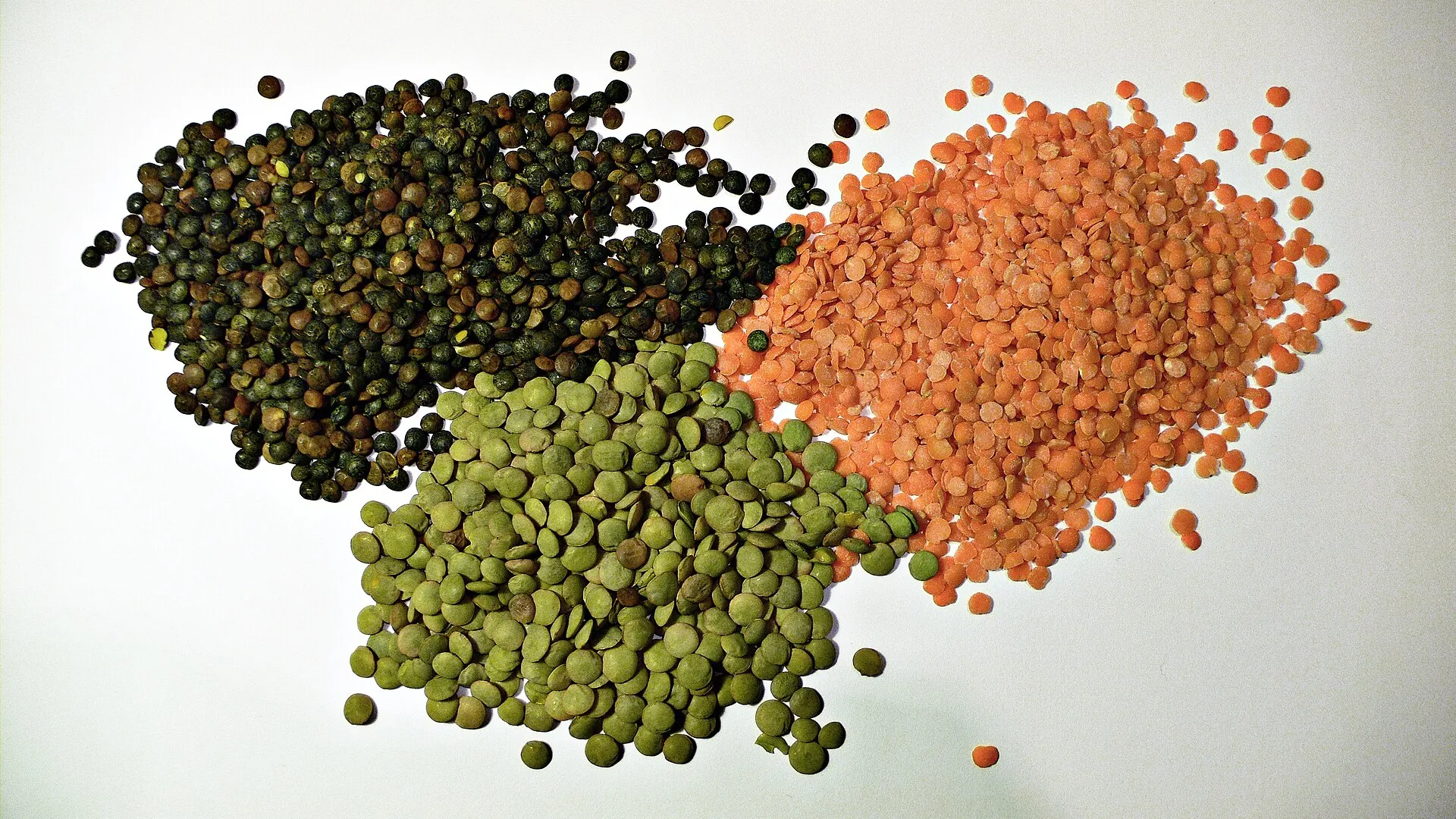
It’s about pulses, not grains. Diet-associated DCM appears to be linked to diets high in pulses, including both grain-free and grain-inclusive foods. Soy, also a legume, hasn’t been implicated. Tufts notes that peas show up most often, but that may simply be because peas are the most common pulse in dog food: in 2017, 51% of dry dog foods contained peas, 23% chickpeas and 14% lentils.
It isn’t mainly a nutrient shortage. Early suspicion fell on taurine. A 2018 study by Kaplan and colleagues found 24 Golden Retrievers with DCM and low taurine, 23 of them on grain-free, legume-rich diets or both; 23 improved after a diet change and taurine supplements. But later studies found normal taurine in most affected dogs of other breeds. In a 2022 prospective study of 60 dogs with DCM, none had low taurine.
A possible mechanism has emerged. In 2025, Tufts researchers reported that dogs with DCM eating high-pulse diets had higher levels of a urine marker linked to phospholipidosis, an abnormal build-up of a type of fat inside cells. The marker correlated with how pulse-heavy the diet was. It’s a lead, not an answer, and the team says it is now investigating this and other causes.
Hearts can recover, partly. In a 2021 study of 71 dogs with DCM, those eating non-traditional diets whose food was changed lived a median of 337 days, against 215 days for those whose food wasn’t changed. In the 2022 prospective study, dogs that had been on non-traditional diets showed small but significant improvements in heart function after a diet change.
Changes may start before symptoms. A 2023 study of 46 healthy dogs found those eating non-traditional diets had lower ejection fraction (a measure of how well the heart pumps) and larger left ventricles than dogs on traditional diets.
The other side of the debate
Not everyone agrees with the diet link, and it’s fair to say so. A 2020 review by McCauley and colleagues described the early publications as opinion-based, said many variables had not been separated, and argued that FDA reports were open to sampling bias unless vets reported every DCM case, whatever the dog ate. A 2022 study by Quest and colleagues surveyed 14 US referral hospitals and found no significant change in the share of DCM diagnoses between 2000 and 2019, and no correlation with grain-free food sales. That study was funded by BSM Partners, which employed four of its five authors, and some authors overlap with the 2020 review.
Tufts researchers, for their part, argue the FDA’s numbers are likely “the tip of the iceberg”, because diagnosis needs an echocardiogram and reporting is voluntary and time-consuming. Both camps agree on one thing: the specific cause hasn’t been proven.
Our read: the association with high-pulse diets is consistent across several independent teams, the mechanism isn’t settled, and nobody knows yet what share of dogs on these foods are affected. That’s a reason to be thoughtful, not frightened.
What vets currently advise
The FDA’s advice is short: talk to your vet before changing your dog’s diet. Your vet may bring in a board-certified veterinary nutritionist.
Tufts’ guidance is more specific. In its 2023 update, it suggests that a diet with pulses (peas, pea protein, lentils, chickpeas and so on) in the top ten ingredients, or multiple pulses anywhere on the list, “might put some dogs at risk”. For dogs diagnosed with DCM or early heart changes, its team recommends a reduced-sodium diet without pulses or potatoes, together with the right medical treatment.
Practical steps if you feed a grain-free or pulse-rich diet:
- Read the full ingredient list. Note where peas, lentils, chickpeas, beans and potatoes appear, including “pea protein” and “pea fibre”.
- Ask your vet at the next check-up. Mention the food and how long your dog has eaten it. Bring the bag or a photo of the label.
- Watch for heart signs. Coughing, faster breathing at rest, tiring easily, fainting or a swollen belly.
- Consider a heart check if there are any signs. A murmur or irregular heartbeat can be a reason for an echocardiogram, which is the test that diagnoses DCM.
- Plan any change of food with your vet, especially if your dog has other health conditions.
Our guide on how to choose a dog food covers what to look for on a label more generally.
See a vet now if:
- Your dog is breathing fast or hard while resting or asleep
- Your dog has fainted or collapsed, even briefly
- Your dog has a new cough, especially at night or after lying down
- Your dog’s belly is swelling or their gums look pale or grey
- Your dog suddenly can’t manage normal walks
Which dogs are affected?
Any breed can develop diet-associated DCM, including breeds that are also prone to the genetic form. In the FDA’s 2019 data, the most reported breeds were Golden Retrievers (95 dogs), mixed breeds (62) and Labrador Retrievers (47), followed by Great Danes, Pit Bulls and German Shepherds. The FDA cautioned that Golden Retrievers were probably over-reported because of breed-specific social media activity.

Tufts says most affected dogs had eaten non-traditional diets for more than a year, sometimes many years, and that not every dog eating them develops heart problems. Cats seem to be susceptible too, though less so.
If your dog is diagnosed, Tufts urges owners to report the case to the FDA to help the investigation. Outside the US, ask your vet about your national pet food or veterinary medicines regulator.
The bottom line
The worry about grain-free food is really a worry about diets heavy in peas, lentils and other pulses, and the evidence for a link to DCM has grown since 2018 even though the cause hasn’t been pinned down. Not every dog eating these foods develops heart problems, so there’s no need to throw out the bag tonight. Read the ingredient list, raise it with your vet, and act quickly on signs such as coughing, fast breathing at rest or fainting. If your dog does have heart changes, a diet change plus proper treatment gives the best chance of improvement.
Questions owners ask
Is grain-free dog food safe?
Tufts researchers note that not every dog eating these diets develops heart problems, and the FDA has said it has no definitive information that these diets are inherently unsafe. The research concern is with diets high in pulses, which many grain-free foods are. If you feed one, discuss it with your vet.
Should I add taurine to my dog's food?
Only under your vet's direction. Taurine deficiency explained heart disease in one 2018 study of Golden Retrievers, but most dogs with diet-associated DCM in later studies had normal taurine levels, so a supplement alone isn't a fix.
Can diet-associated DCM be reversed?
It can improve. Studies at Tufts and elsewhere found heart size and function got better in many dogs after a diet change plus medication, especially in early cases. Improvement can take months to years, is often incomplete, and some dogs still die suddenly.
Which dog foods are safest for the heart?
Tufts nutritionists suggest that pulses in the top ten ingredients, or several pulses anywhere on the list, may put some dogs at risk. For dogs with heart changes, they recommend a reduced-sodium diet without pulses or potatoes. Your vet can help you pick a food that suits your dog.
Is the FDA investigation over?
No. In December 2022 the FDA said it would not release further public updates until there is meaningful new scientific information, but it described the work as ongoing.
Sources
- US FDA: Questions & Answers, FDA's Work on Potential Causes of Non-Hereditary DCM in Dogs (content current as of August 2024)
- US FDA: Investigation into Potential Link between Certain Diets and Canine Dilated Cardiomyopathy
- Tufts Petfoodology: Update on Diet-Associated Dilated Cardiomyopathy, June 2026
- Tufts Petfoodology: Diet-associated dilated cardiomyopathy, the cause is not yet known but it hasn't gone away (2023)
- Kaplan et al. Taurine deficiency and dilated cardiomyopathy in golden retrievers fed commercial diets. PLoS One, 2018
- Freid et al. Retrospective study of dilated cardiomyopathy in dogs. J Vet Intern Med, 2021
- Freeman et al. Prospective study of DCM in dogs eating nontraditional or traditional diets. J Vet Intern Med, 2022
- Owens et al. Echocardiographic measurements and cardiac biomarkers in healthy dogs eating nontraditional or traditional diets. J Vet Intern Med, 2023
- Freeman et al. Dogs with diet-associated DCM have higher urine di-22:6-BMP, a biomarker of phospholipidosis. Am J Vet Res, 2025
- Quest et al. Incidence of canine DCM diagnosed at referral institutes and grain-free pet food store sales. Front Anim Sci, 2022
- McCauley et al. Review of canine dilated cardiomyopathy in the wake of diet-associated concerns. J Anim Sci, 2020
This guide is general information, not a substitute for advice from a vet who has examined your dog. Every claim is checked against the sources above. How we research and fact-check. Spotted an error? Tell us.