The short answer
- Start core vaccines at 6 to 8 weeks, repeat every 2 to 4 weeks, and make sure the final puppy dose is at 16 weeks or older.
- Book a booster at about 6 months, as WSAVA now recommends, rather than waiting until your puppy's first birthday.
- Carry your puppy to new places and join a well-run puppy class before vaccines finish, so the socialisation window isn't missed.
- Keep your puppy off dog parks, beaches and busy public grass until your vet says it's safe, because parvovirus lingers there.
- Ask your vet which non-core vaccines, like kennel cough, leptospirosis or rabies, your area and lifestyle actually call for.
Most puppies start vaccinations at 6–8 weeks old, get a dose every 2–4 weeks, and have their final puppy dose at 16 weeks or older. The World Small Animal Veterinary Association (WSAVA) then advises revaccination at or after 26 weeks (about 6 months), rather than waiting until 12–16 months. After that, core vaccines are usually repeated no more often than every three years, while leptospirosis and kennel cough need yearly boosters, and rabies follows whatever your local law says.
A typical puppy vaccination schedule
Exact timing depends on the vaccine brand your vet uses and the disease risks where you live. This is the general pattern from WSAVA’s 2024 guidelines and common practice in the US, UK and Australia.
| Age | What usually happens |
|---|---|
| 6–8 weeks | First core vaccine (distemper, adenovirus, parvovirus). Often given by the breeder or shelter. |
| 10–12 weeks | Second core dose. Leptospirosis often starts around here (two doses, 2–4 weeks apart). Kennel cough may be given. |
| 12–16 weeks | Rabies, where required by law or for travel (minimum age is usually 12 weeks). |
| 16 weeks or older | Final puppy core dose. This is the one that matters most. |
| 26 weeks (about 6 months) | Core booster, or an antibody (titre) test to check whether one is needed. |
| 12–16 months | Leptospirosis and kennel cough boosters. Rabies booster where required. |
| Adult | Core vaccines usually every 3 years or longer. Lepto and kennel cough yearly. Rabies per local law. |
Some vaccine datasheets allow a shorter two-dose primary course. BSAVA advises UK vets to follow the datasheet while allowing for individual risk, and notes that WSAVA suggests an extra dose at around 6 months for some puppies because maternal antibodies can interfere with earlier doses. Ask your vet which approach they follow and why.
Why puppies need several doses
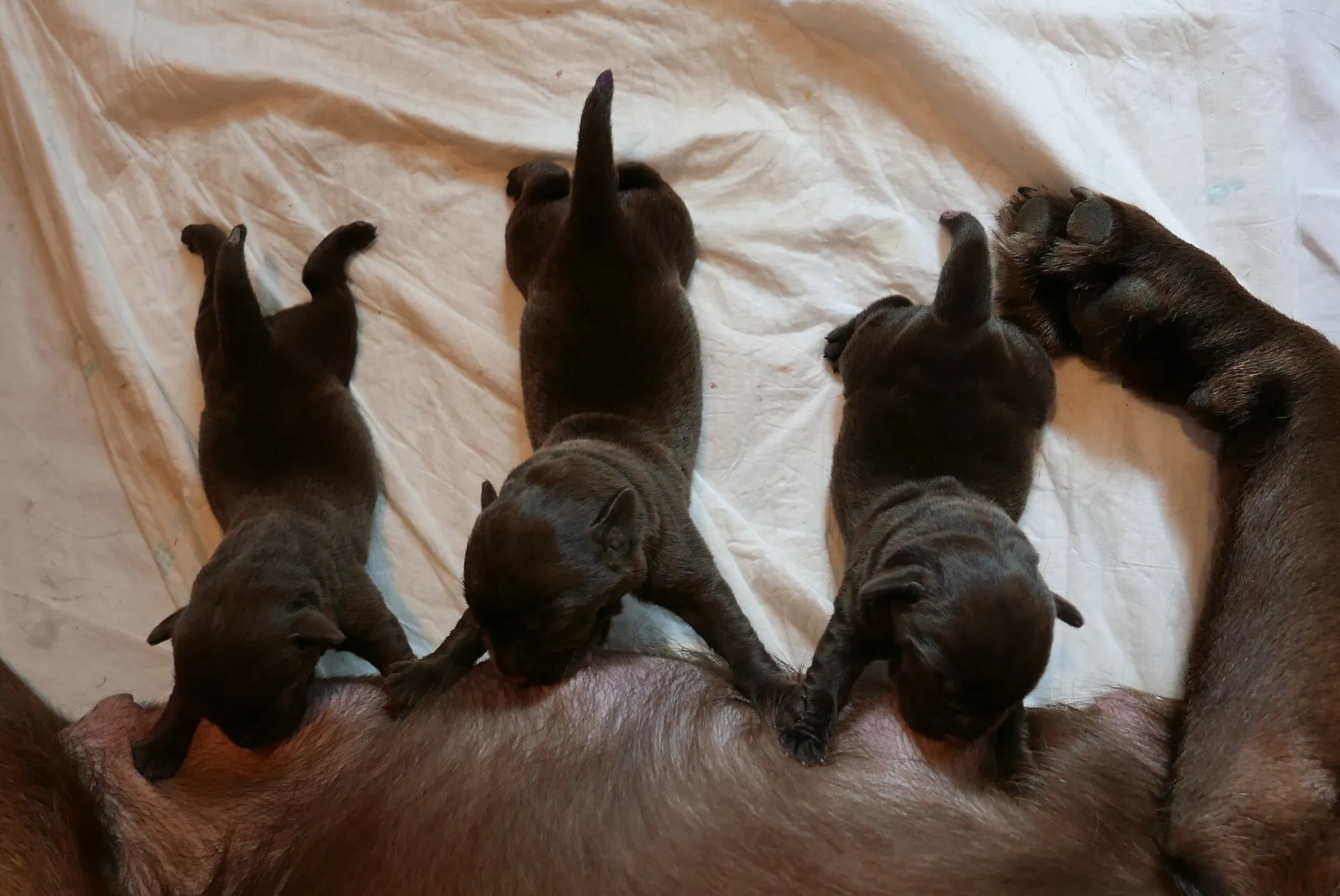
Newborn puppies get antibodies from their mother’s first milk. Those antibodies protect them for the first weeks of life, but they also neutralise vaccines. The tricky part is that nobody can tell without a blood test when a particular puppy’s maternal antibodies will fade. In some it’s 8 weeks. In others it’s closer to 16.
Repeating the vaccine every 2–4 weeks closes the gap so that one dose lands soon after the maternal antibodies drop. WSAVA’s 2024 guidelines say the final dose should be given at 16 weeks of age or older. They advise revaccinating at or after 26 weeks, rather than waiting until 12–16 months, to catch the minority of puppies whose 16-week dose was still blocked. On the old first-birthday booster, those puppies could go unprotected for months.
If cost means a puppy can only have one core vaccine, WSAVA says to give it at 16 weeks or older, when it is most likely to work.
Core vs non-core vaccines
WSAVA splits vaccines into two groups.
Core vaccines are ones every dog should have, wherever it lives, because the diseases are serious and widespread:
- Canine distemper virus, which attacks the lungs, gut and nervous system
- Canine adenovirus (CAV-2 in the vaccine, protecting against infectious canine hepatitis)
- Canine parvovirus type 2, a severe and often fatal gut infection in puppies
- Rabies, wherever the disease is endemic, even if no law requires it (and wherever local law does)
Since the 2024 update, WSAVA also counts leptospirosis as core where it is endemic, the strains causing disease locally are known and suitable vaccines are available. It is a bacterial disease spread in the urine of rats and other animals, often picked up from puddles, rivers and wet ground, and it can infect people too.
Non-core vaccines are given based on your dog’s lifestyle and location. They include:
- Kennel cough (Bordetella bronchiseptica and canine parainfluenza), for dogs that board, go to daycare, attend classes or mix with lots of dogs
- Lyme disease (Borrelia burgdorferi), where ticks carry it
- Canine influenza, mainly in parts of North America
- Leishmaniasis, for dogs travelling to or living in southern Europe and other endemic areas
- Canine herpesvirus, for breeding females
Most non-core vaccines protect for about a year, so they need annual boosters.
How the schedule differs by country
United States and Canada
The American Animal Hospital Association (AAHA) treats leptospirosis as a core vaccine for all dogs in North America, alongside distemper, adenovirus, parvovirus and rabies, according to VCA Animal Hospitals’ summary. Parainfluenza is usually included in the combination vaccine.
Rabies is a legal matter. A 2022 review by Michigan State University’s Animal Legal & Historical Center found that most US states require dogs to be vaccinated, usually from 3 to 6 months of age, but about ten states leave it to local governments or have no statewide rule. Counties and cities often set their own requirements, and boarding kennels, groomers and daycares almost always ask for proof. Your vet will know the local rule.
Lyme disease and canine influenza vaccines are non-core and depend on where you live and what your dog does. Some boarding and daycare facilities ask for proof of canine influenza vaccination.
United Kingdom and Ireland
The British Small Animal Veterinary Association (BSAVA) lists distemper, adenovirus (hepatitis), parvovirus and leptospirosis as core for UK dogs. Leptospirosis vaccines come in versions covering different numbers of strains, often called L2 and L4. Your vet will recommend one based on local risk.
Great Britain and Ireland are free of rabies in land animals, so dogs that stay at home don’t need the rabies vaccine. If you want to travel, GOV.UK rules say your dog must be microchipped first (or on the same day), be at least 12 weeks old at vaccination, and wait at least 21 days after the first rabies vaccination before travelling. Rules for returning to Great Britain include a tapeworm treatment for dogs from most countries. Check the current government guidance before booking anything, because rules change.
Kennel cough vaccines are usually given up the nose or by mouth. Many boarding kennels and some daycares require them.
European Union
Rabies vaccination rules for dogs that stay at home are set country by country, so check with your vet. For travel between EU countries, the EU’s official Your Europe guidance says your dog must be microchipped before the rabies vaccination, be at least 12 weeks old when it’s given, and wait at least 21 days after the first vaccination before travelling, with an EU pet passport. Dogs heading to Finland, Ireland, Malta, Norway or Northern Ireland also need a tapeworm treatment 1–5 days before arrival. BSAVA lists leishmaniasis as a non-core vaccine for dogs travelling to areas where it is endemic, which in Europe means mainly the Mediterranean countries.
Australia and New Zealand
RSPCA Australia describes the core vaccine as a C3 (distemper, adenovirus, parvovirus). A C5 adds kennel cough protection (parainfluenza and Bordetella). The letter-and-number names vary between brands, so ask exactly what’s included.
Leptospirosis vaccination is recommended for dogs in at-risk areas, dogs with access to stagnant water, and dogs around livestock or rodents. Risk varies a lot between regions, so ask your local vet. Australia is rabies-free, so rabies vaccination is only needed for travel.
The RSPCA Australia schedule is the same pattern as WSAVA: first core vaccine at 6–8 weeks, then every 2–4 weeks until at least 16 weeks, then a booster at 6 months or a titre test.
Elsewhere, including India and much of Asia, Africa and Latin America
Where rabies is present in dogs or wildlife, WSAVA counts rabies vaccination as core, and many countries require it by law. Ask your vet about the local rules, the age they give the first rabies dose, and whether leptospirosis is common in your area.
Boosters, titre tests and how long immunity lasts
WSAVA’s position is that modern modified-live core vaccines (distemper, adenovirus, parvovirus) give immunity for many years, and adult dogs shouldn’t get them more often than necessary. BSAVA’s UK guidance puts the interval for those three at every three years or longer.
Leptospirosis and kennel cough vaccines give shorter protection, so most vets give them every year. If a dog misses its lepto booster by a long gap, it may need to restart with two doses.
An antibody titre test is a blood test that checks whether a dog still has protective antibodies. WSAVA supports using it from 20 weeks onwards. For distemper, adenovirus and parvovirus, a good titre is strong evidence the dog is protected. BSAVA notes it is not a replacement for leptospirosis vaccination, because lepto antibody levels don’t reliably predict protection. Titre testing costs more than a vaccine in many clinics, so price it up first.
Rabies booster intervals are set by law or by the vaccine’s licence, and titre results usually don’t count for legal purposes.
Socialisation vs vaccination: the timing problem
Here’s the catch. A puppy’s sensitive period for socialisation runs from roughly 3 weeks to somewhere between 12 and 16 weeks of age. During that window, puppies learn what’s normal and safe. VCA Animal Hospitals warns that puppies who miss it face a considerable risk of lasting fears or anxiety.
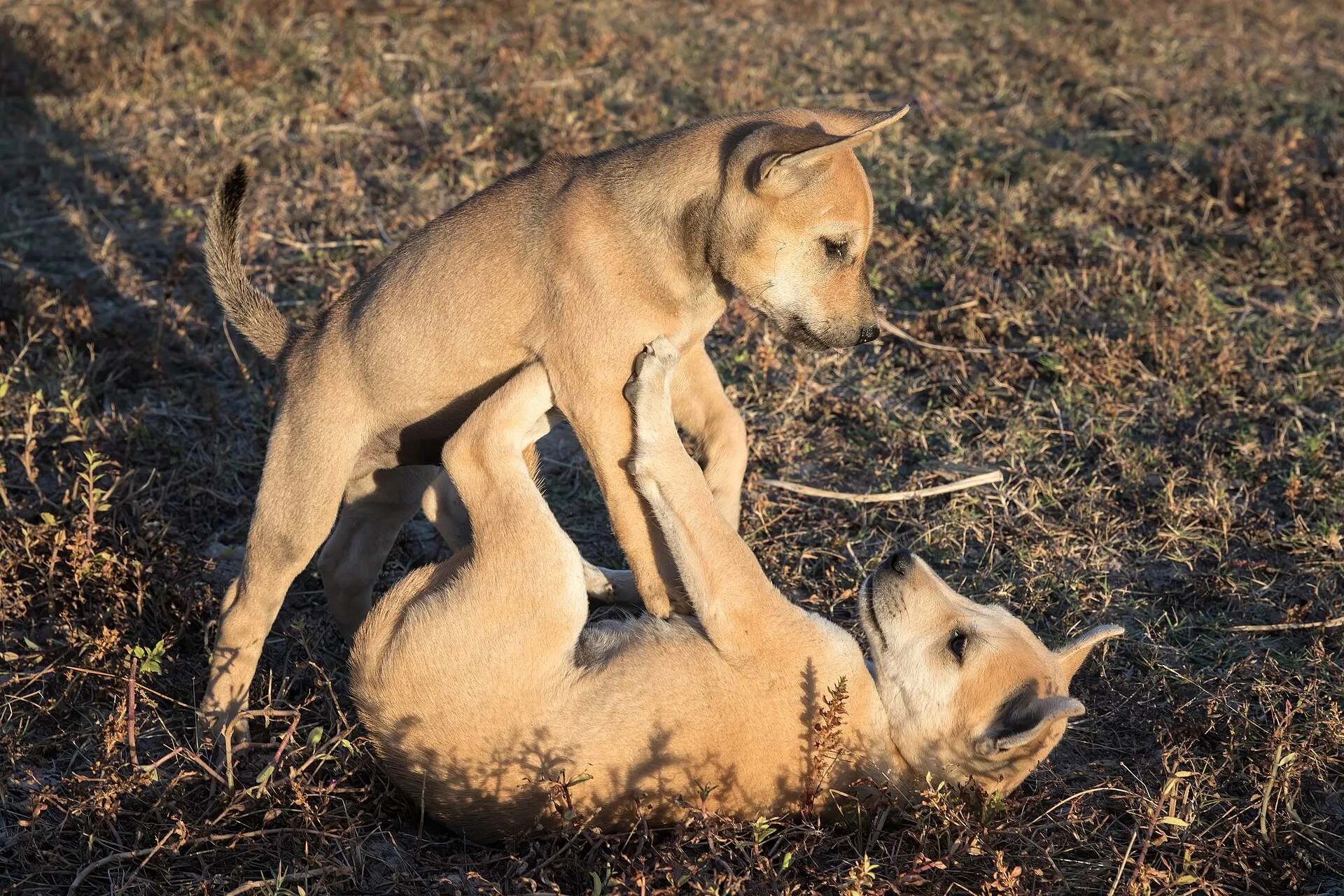
The vaccine course finishes at 16 weeks or later. So if you wait until your puppy is fully vaccinated before letting it see the world, the window has mostly closed. VCA Animal Hospitals calls the idea that puppies must finish all their vaccines before socialising a misconception.
The practical middle ground most vets recommend:
- Do carry your puppy to new places: cafés, train stations, school gates, the car park at the shops.
- Do invite vaccinated, healthy adult dogs you know to meet your puppy at home or in your garden.
- Do join a puppy class that checks every puppy’s vaccinations and parasite treatment, runs in an easily cleaned space, and sends sick puppies home.
- Do introduce handling, the car, the vacuum, visitors in hats and the sound of traffic.
- Don’t put your puppy down in dog parks, beaches, busy public lawns or anywhere unknown dogs toilet until your vet says it’s safe.
- Don’t let your puppy mix with dogs of unknown vaccination status.
Parvovirus is hardy and lingers in places where lots of unknown dogs pass through, so public grass and busy pavements are the bigger risk, not a vaccinated friend’s dog.
Side effects and when to worry
Most puppies are a little quiet or sore at the injection site for a day. A small lump where the jab went in is common and usually fades within a few weeks. Intranasal kennel cough vaccine sometimes causes a few days of sneezing.
Serious allergic reactions are rare but need fast treatment.
See a vet now if:
- Your puppy’s face, muzzle or eyes swell after a vaccine
- Your puppy has hives, repeated vomiting or diarrhoea, or collapses
- Breathing becomes difficult or noisy
- An unvaccinated or partly vaccinated puppy has vomiting, bloody diarrhoea or refuses food (possible parvovirus)
- An injection lump is still there after a month or is getting bigger
What puppy vaccines cost
Prices vary widely by country, city and clinic, and by whether the visit includes a health check, microchip or parasite treatment, so we won’t pretend there’s one number. Check local prices, compare two or three clinics, and ask what’s included. Many clinics offer puppy packages or monthly health plans that bundle vaccines with check-ups. If you have pet insurance, read the policy wording on two points: whether routine vaccines are covered at all, and how your dog’s vaccination status affects claims for diseases a vaccine could have prevented.
The bottom line
Start core vaccines at 6–8 weeks, repeat every 2–4 weeks, finish at 16 weeks or older, and book a booster at about 6 months. After that, core shots are typically every three years, with lepto and kennel cough yearly and rabies as your local law requires. Don’t wait for the final jab to start socialising: carry your puppy into the world and pick a puppy class with sensible hygiene rules. Your vet will fine-tune the schedule for the diseases in your area, so take this as the template for that conversation.
Questions owners ask
When can my puppy go outside after vaccinations?
Ask your vet, because it depends on the vaccine brand and local disease risk. Many vets allow walks in low-risk areas a week or two after the final puppy dose, and recommend carrying your puppy out and about, and joining a well-run puppy class, before then.
Why does the last puppy vaccine need to be at 16 weeks or later?
Antibodies from the mother can block vaccines, and in some puppies they last until about 16 weeks. Giving the final dose at 16 weeks or older makes it much more likely the vaccine works.
Does my dog need vaccinating every year?
Not for everything. WSAVA says modern core vaccines usually protect for many years and shouldn't be given more often than necessary, which BSAVA puts at no more than every three years for most core vaccines, but leptospirosis and kennel cough vaccines generally need yearly boosters, and rabies follows local law.
Is the rabies vaccine required in the UK or Australia?
No, both are rabies-free, so dogs that stay at home don't need it. Dogs travelling abroad, or coming in from abroad, must meet strict rabies vaccination rules.
Can a titre test replace boosters?
For the core viral vaccines (distemper, parvovirus and adenovirus), an antibody titre test can help your vet decide whether a booster is needed. It doesn't work as a substitute for leptospirosis vaccination.
Sources
- WSAVA: 2024 Guidelines for the Vaccination of Dogs and Cats, Executive Summary
- WSAVA: Vaccination Guidelines
- BSAVA: Summary of WSAVA vaccination guidance for UK practice
- VCA Animal Hospitals: Vaccines for Dogs
- RSPCA Australia: What vaccinations should my dog receive?
- European Union, Your Europe: Travelling with pets and other animals in the EU
- GOV.UK: Taking your pet abroad, rabies vaccinations and boosters
- Animal Legal & Historical Center (Michigan State University): Table of State Rabies Vaccination Laws
- VCA Animal Hospitals: Puppy Behavior and Training, Socialization and Fear Prevention
This guide is general information, not a substitute for advice from a vet who has examined your dog. Every claim is checked against the sources above. How we research and fact-check. Spotted an error? Tell us.