The short answer
- Remove a tick as soon as you find it, with a tick hook or fine-tipped tweezers, gripping close to the skin and pulling or twisting steadily without squeezing the body.
- Skip the old tricks: heat, petroleum jelly and nail polish can make a tick release more infected fluid into your dog.
- Check your dog all over after walks in long grass, woodland or bush, paying attention to ears, neck, armpits, toes and skin folds.
- Keep your dog on a vet-recommended tick product where ticks are active, and keep checking anyway, because no product is 100% effective.
- In eastern Australia, treat a wobbly back end, a changed bark, gagging or laboured breathing as a paralysis tick emergency.
If you find a tick on your dog, take it off now: grip it as close to the skin as you can with a tick hook or fine-tipped tweezers and pull, or twist with a hook, steadily until it lets go, without squeezing its body. Then keep an eye on your dog for the next few weeks, because the diseases ticks carry depend heavily on where you live, from Lyme disease in the US and UK to the paralysis tick on Australia’s east coast.
Finding a tick is common and usually not a crisis. The risk rises the longer it stays attached, which is why a quick, clean removal matters more than anything else.
How to remove a tick from your dog
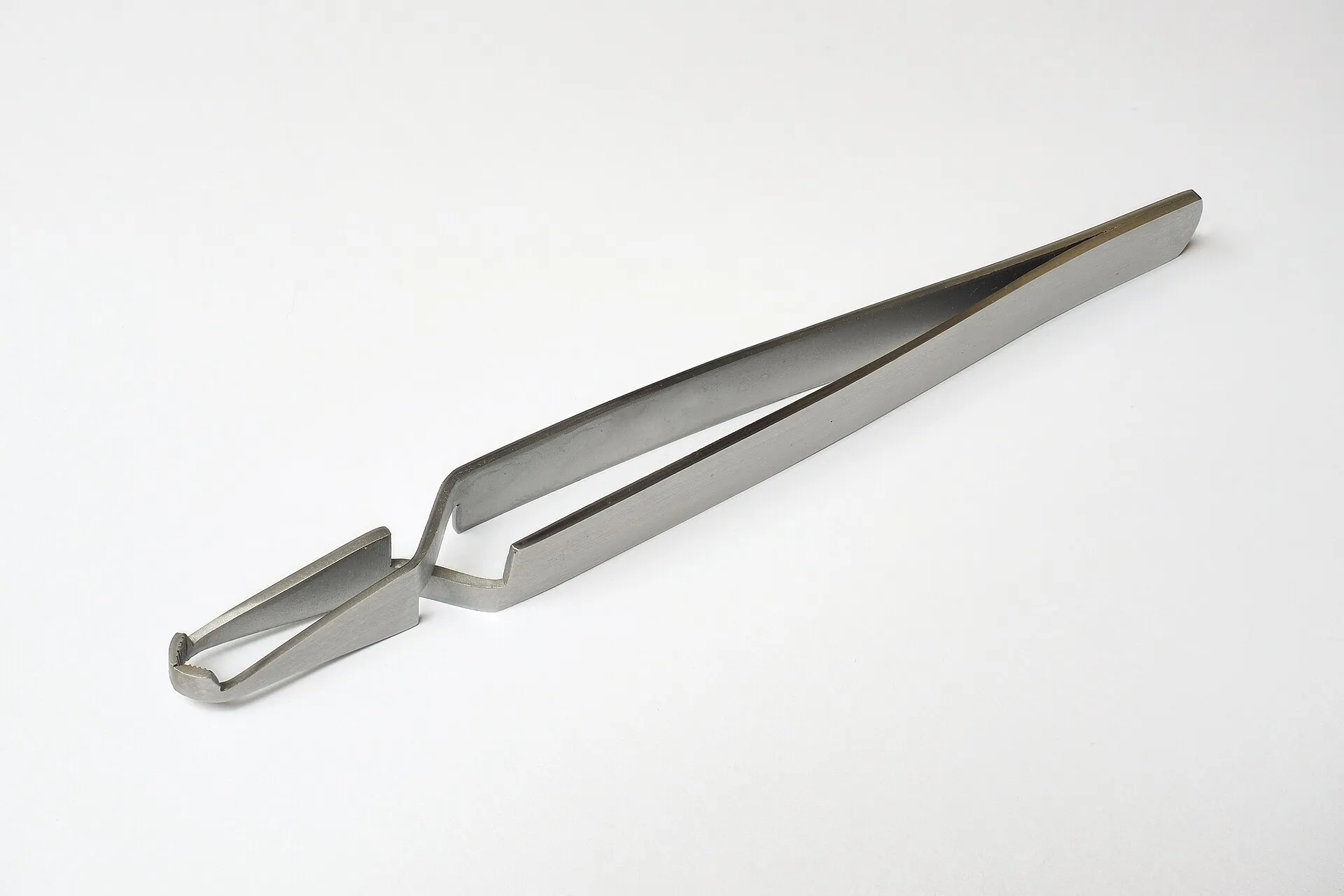
You’ll need a tick removal tool (a forked hook or tick card) or fine-tipped tweezers, plus gloves if you have them. The Merck Veterinary Manual advises never removing ticks with bare hands, because some tick-borne infections can pass through broken skin or mucous membranes.
- Part the fur so you can see where the tick’s head enters the skin.
- Grip close to the skin. Slide the hook under the tick or hold the tweezers right at the mouthparts, not the swollen body.
- Remove it steadily. With tweezers, pull straight out with even pressure; the US CDC warns that jerking or twisting tweezers can leave the mouthparts behind. Hooks are designed to be rotated slowly until the tick releases, so follow the instructions on the packet.
- Don’t squeeze, burn or smother it. ESCCAP UK warns that squeezing or puncturing an attached tick can cause infection or pass disease to your pet. The CDC says petroleum jelly, heat and nail polish can agitate the tick and force infected fluid into the skin. Merck specifically warns against hot matches.
- Clean the area and wash your hands.
- Dispose of it safely. The CDC suggests a sealed container, tightly wrapped tape, flushing or alcohol. Don’t crush it with your fingers. If you’re in a paralysis tick area, or your dog later falls ill, keeping the tick for your vet to identify can help.
If a bit of mouthpart stays behind, don’t dig for it. The skin usually pushes it out. Merck advises seeing a vet promptly if the bite site becomes red or swollen, and taking a dog with a heavy infestation to the vet straight away.
Where to check, and how often
Ticks climb onto passing animals from long grass, bracken, scrub and woodland edges, then crawl to thin-skinned spots before biting. ESCCAP UK suggests checking ears, neck, skin folds and crevices, especially after walks through woodland, long grass or moorland.
A practical routine after every walk in tick country:
- Run your hands slowly over the whole body, feeling for small, firm bumps.
- Look inside and behind the ears, around the eyes and lips, under the collar, in the armpits and groin, between the toes and under the tail.
- In paralysis tick areas, do a full fingertip search every day, even if your dog is on a preventive. Short coats make this easier, and Merck suggests keeping the coat short in risky areas.
Ticks can also drop off indoors, so ESCCAP UK recommends cleaning dog beds and the areas around them thoroughly.
When are ticks active?
Year-round in some places, seasonal in others. In the UK and central Europe, ESCCAP UK describes two historical peaks, March to June and August to November, but warns that warmer weather is extending activity and that exposure can now happen at any time of year.
In Australia, Merck notes that tick paralysis cases follow the activity of female ticks, mainly in spring and early summer, though some areas have ticks year-round. In the US, the brown dog tick, which spreads ehrlichiosis and babesiosis, can survive and breed indoors, so CAPC warns that infestations can persist year-round in homes and kennels.
Tick-borne diseases by region
Merck counts more than 650 species of hard ticks worldwide. The ones that matter for your dog depend on your location and where you travel.
| Region | Main concerns for dogs | Notes |
|---|---|---|
| US: Northeast, upper Midwest, West Coast | Lyme disease (Borrelia burgdorferi) | CAPC says infection is rare in southern states without travel to these areas |
| US: south-east and south-west | Ehrlichiosis, babesiosis | Brown dog tick is the main vector; Merck says most US ehrlichiosis cases occur in these areas |
| North America | Tick paralysis | Rocky Mountain wood tick and American dog tick are the usual culprits |
| UK | Lyme disease; Babesia canis in a few areas | The NHS says ticks that can carry Lyme disease are found all over the UK; babesiosis was confirmed in dogs that had never left England, first in Essex in 2016 |
| Mainland Europe and other travel destinations | Babesiosis, ehrlichiosis and other infections | CAPC and Merck describe both as widespread around the world; ask your vet about extra protection before travelling |
| Eastern Australia | Tick paralysis (Ixodes holocyclus) | Causes the most severe form of tick paralysis, according to Merck |
| Northern Australia | Ehrlichiosis | First detected in 2020 in Western Australia and the Northern Territory; RSPCA Australia says the brown dog tick is most common north of latitude 30°S |
Lyme disease
Most dogs bitten by an infected tick never get sick. CAPC says most exposed dogs develop subclinical infections and test positive without showing disease. When it does cause illness, look for fever, lameness that shifts from leg to leg, swollen joints, enlarged lymph nodes, lethargy and poor appetite. Rarely, it damages the kidneys, a serious form vets call Lyme nephritis.
The bacteria usually need 24 to 48 hours of feeding to pass to the dog, so daily checks really do lower the risk. Vaccines exist in some countries. CAPC recommends basing the decision on your individual dog’s risk, and stresses that vaccination doesn’t replace tick control.
Ehrlichiosis
Caused mainly by Ehrlichia canis, spread by the brown dog tick. It can be transmitted within 3 to 6 hours of attachment, according to CAPC, which is much faster than Lyme. Acute illness, appearing one to three weeks after infection, brings fever, lethargy, weight loss, and sometimes nosebleeds or small bruise-like spots on the gums and skin because blood platelets drop.
Many dogs carry it without signs, but CAPC notes that untreated infections can last for life. Merck says the rarer chronic form, which affects the bone marrow, eyes, joints and kidneys, seems more common in German Shepherd Dogs. It responds to a long course of antibiotics prescribed by a vet. There is no vaccine.
Australia used to be free of it, and some reference texts still say so. RSPCA Australia reports that E. canis was first detected in a small number of dogs in May and June 2020, in Western Australia’s Kimberley and in the Northern Territory. By early 2021 more than 300 dogs in WA and the NT had tested positive, infected ticks and dogs had been found in the far north of South Australia, and a few infected dogs moved from the NT had turned up in New South Wales and Victoria. The brown dog tick is present in every state and territory but is most common north of latitude 30°S, roughly the line through northern New South Wales. RSPCA Australia’s 2021 guidance describes ehrlichiosis as nationally notifiable; reporting rules can change as a disease becomes established, so check with your state agriculture department. If you live in or travel to northern Australia, brown dog tick control matters as much as paralysis tick control does in the east.
Babesiosis
Babesia parasites destroy red blood cells. CAPC lists moderate to severe anaemia, fever, poor appetite, pale gums and an enlarged spleen among the signs, and notes that signs often appear well after the tick has dropped off, which makes the link easy to miss.
One species, Babesia gibsoni, also spreads through bites and fighting between dogs. CAPC links this to its higher rates in American Pit Bull Terriers and American Staffordshire Terriers in the US.
In the UK, Babesia canis was historically a disease of dogs returning from Europe. ESCCAP UK’s records show cases in dogs that had never travelled, first in Essex in 2016, then in Romford later that year and Milton Keynes in 2017. If your dog becomes lethargic with pale gums in the weeks after a tick bite, tell your vet about the bite.
The paralysis tick in Australia
Ixodes holocyclus, found along Australia’s eastern coast, injects a toxin that can paralyse and kill dogs. Merck says signs usually start three to five days after the tick attaches, occasionally up to 18 days.
Early signs to know by heart:
- A change in bark or a lost voice
- Wobbly or weak back legs
- Changes in breathing, gagging, coughing or regurgitating
- Vomiting
- Dilated pupils
Paralysis can develop suddenly, within roughly 12 to 24 hours. Removing the tick doesn’t stop it straight away: Merck warns that signs can keep worsening for about 24 hours or longer after removal. Treatment is tick antitoxin serum, used in Australia, plus close monitoring and sometimes oxygen or ventilation. Even with treatment, Merck puts the death rate at up to 10% in dogs, usually 4–5%. There is no vaccine.
In North America, tick paralysis is caused mostly by the Rocky Mountain wood tick and the American dog tick. It is usually milder: Merck says removing all the ticks normally brings improvement within 24 hours and full recovery within 72.
If your dog does need treatment for tick paralysis or another tick-borne illness, hospital care can add up quickly. It’s worth knowing what your policy covers before the season starts; our guide to how dog insurance works explains limits and sub-limits.
Preventing ticks
No single step is enough. Combine them:
- Use a vet-recommended tick product. Options include tablets, spot-ons and collars. CAPC recommends keeping pets on effective tick control year-round where ticks are a risk. Ask your vet which product suits your dog and your region, and, as Merck advises, tell them about any other pets in the house.
- Keep checking. ESCCAP UK points out that no tick product is 100% effective.
- Manage the garden. Merck suggests trimming long grass, weeds and vegetation where your dog spends time.
- Avoid tick hotspots in peak season where you can, especially long grass and the edges between woodland and lawns.
- Plan for travel. Moving between countries or regions can expose your dog to ticks and diseases it has never met. Talk to your vet a few weeks before you go.
Many tick products also cover fleas. If fleas are your bigger problem, see our guide to fleas on dogs.
See a vet now if:
- Your dog is in eastern Australia and has a changed bark, wobbly back legs, gagging, vomiting or laboured breathing
- Your dog becomes weak, collapses or has trouble breathing after time in tick country
- Gums look pale or white
- There is unexplained bleeding, such as nosebleeds or bruise-like spots on the gums or belly
- Your dog has a fever, becomes lame or has swollen joints in the weeks after a tick bite
- The bite site is hot, swollen, oozing or painful, or your dog has many ticks
The bottom line
Remove ticks quickly and cleanly with a hook or fine tweezers, without squeezing, burning or smothering them. Know which diseases are common where you live and where you travel: Lyme in the northern US and the UK, ehrlichiosis and babesiosis in warmer regions, and paralysis ticks on Australia’s east coast. Pair a vet-recommended preventive with regular hands-on checks, because neither works as well alone. Tell your vet about any tick bite if your dog becomes unwell in the following weeks.
Questions owners ask
How long does a tick need to be attached to pass on disease?
It varies by infection. CAPC says Lyme bacteria and Babesia generally need around 24 to 48 hours of feeding, but Ehrlichia can be passed on within 3 to 6 hours. That's why prompt removal and a daily check matter.
What if the tick's head stays in my dog's skin?
The US CDC's advice for people applies to dogs too: if you can't easily grip the leftover mouthparts, leave them, and the skin will usually push them out as it heals. Keep an eye on the spot and see your vet if it becomes red, swollen or sore.
Should I keep the tick after removing it?
It can help. A tick sealed in a small container or taped to a card lets your vet identify the species, which matters most in paralysis tick areas and when a dog becomes unwell days later.
Is there a vaccine against ticks or tick diseases for dogs?
There are vaccines against Lyme disease in some countries, and CAPC says the decision should be based on each dog's risk. There is no vaccine for ehrlichiosis or for the Australian paralysis tick toxin, and no vaccine replaces tick control.
Can I get Lyme disease from my dog?
Not directly. People catch tick-borne diseases from tick bites. But a dog can carry ticks into the house and garden, so wear gloves when removing ticks and don't crush them with bare fingers.
Sources
- Merck Veterinary Manual: Ticks of Dogs
- Merck Veterinary Manual: Tick Paralysis in Dogs (owner version)
- Merck Veterinary Manual: Tick Paralysis in Animals (professional version)
- Merck Veterinary Manual: Ehrlichiosis in Dogs
- CAPC: Lyme Disease guidelines
- CAPC: Ehrlichia spp. and Anaplasma spp. guidelines
- CAPC: Babesia guidelines
- ESCCAP UK & Ireland: Ticks
- ESCCAP UK & Ireland: Babesia canis news archive
- NHS: Lyme disease
- RSPCA Australia Knowledgebase: What is ehrlichiosis? (updated July 2021)
- US CDC: What to do after a tick bite
This guide is general information, not a substitute for advice from a vet who has examined your dog. Every claim is checked against the sources above. How we research and fact-check. Spotted an error? Tell us.