The short answer
- Call a vet straight away if your dog keeps retching but brings nothing up, especially with a swollen belly, because that can be a twisted stomach.
- Call the same day if your dog vomits more than once, seems flat, has blood in the vomit, belly pain or diarrhoea alongside, or isn't right within 24 hours.
- Treat any vomiting in an unvaccinated puppy, or in a dog with kidney, liver or heart disease, as a reason to phone the vet, not to wait.
- For a single vomit in a bright adult dog, keep water available, offer small bland meals and rest, and go back to normal food over two to three days.
- Never make your dog vomit at home, with hydrogen peroxide or anything else; ring a vet or poison line first.
Most dogs vomit now and then, usually because they ate something they shouldn’t have, and a single episode in a bright, healthy adult dog can normally be watched at home. Worry, and phone a vet, if the vomiting happens more than once, comes with blood, belly pain, diarrhoea or lethargy, lasts beyond 24 hours, or if your dog is retching hard and bringing nothing up. That last one, especially with a swollen belly, is an emergency.
The rest of this guide sorts vomiting by pattern, because the pattern tells you far more than the colour of what ends up on the carpet.
See a vet now if:
- Your dog keeps retching or trying to vomit but nothing comes up, or the belly looks swollen or tight
- There is blood in the vomit
- Your dog is weak, collapsed or disorientated, or has sticky gums and sunken eyes
- You know or suspect they swallowed a toxin, medicine, a toy, a sock, a corn cob or a bone
- A puppy that isn’t fully vaccinated is vomiting, especially with diarrhoea
- The vomiting keeps going, or your dog gets worse at any point
- Your dog has a known condition such as kidney, liver, heart disease or diabetes and starts vomiting
First, is it really vomiting?
Vets want to know what you actually saw, so it helps to tell the difference between three things that can look alike.
| What you see | What it usually is | Why it matters |
|---|---|---|
| Drooling, lip-licking, swallowing, then belly heaving and partly digested food or yellow fluid | Vomiting | Comes from the stomach or upper gut; dozens of possible causes |
| Food comes up suddenly with no heaving, often straight after eating, sometimes tube-shaped | Regurgitation | Points to the food pipe (oesophagus), not the stomach |
| Repeated heaving with little or nothing produced | Retching | One retch is usually nothing; continuous retching can mean a twisted stomach |
The Merck Veterinary Manual describes vomiting as forceful, driven by contractions of the belly muscles and diaphragm, while regurgitation is passive and needs no abdominal effort. Coughing or breathing trouble is more common with regurgitation. PDSA adds that regurgitation may simply mean a dog is bolting food, but it can also point to megaoesophagus or reflux, which is more common in flat-faced breeds such as the French Bulldog.
If you can, take a photo of what came up and note the time. Your vet will thank you, even if nobody else in the house does.
Triage by pattern
One vomit, and your dog is otherwise normal
PDSA says that if a fit adult dog vomits once, you may not need to contact your vet immediately, but you should watch them closely. VCA notes that many cases of sudden vomiting improve on their own within 24 hours.
The usual culprit is what vets politely call dietary indiscretion: bin raids, rich table scraps, something dead found on a walk, grass, or simply eating too fast. Keep an eye on energy, appetite, thirst and what comes out the other end.
Vomiting more than once, or with other signs
This is when you call the vet for advice, the same day. PDSA lists these as reasons to ring if your dog keeps vomiting:
- Bloody diarrhoea, or diarrhoea without blood lasting more than two to three days
- Low energy
- A painful belly (they may stand hunched or resent being picked up)
- Disorientation or collapse
- Signs of dehydration, such as sticky gums or sunken eyes
- Not seeming right after 24 hours, or getting worse at any point
The Merck manual says vomiting more than once or twice a day, or vomiting with blood, belly pain, depression, dehydration, weakness, fever or weight loss, calls for a fuller workup. VCA says a dog that seems otherwise well but keeps vomiting for more than one to two days should also be seen. If your dog has diarrhoea too, our guide to dog diarrhoea covers the warning signs on that side.
Blood in the vomit
PDSA’s advice is simply to contact your vet immediately if you see blood in your dog’s vomit. Don’t wait to see whether it happens again.
Retching with nothing coming up, or a swollen belly
This is the pattern that should get you in the car. It can be gastric dilatation-volvulus (GDV), where the stomach fills with gas and twists.
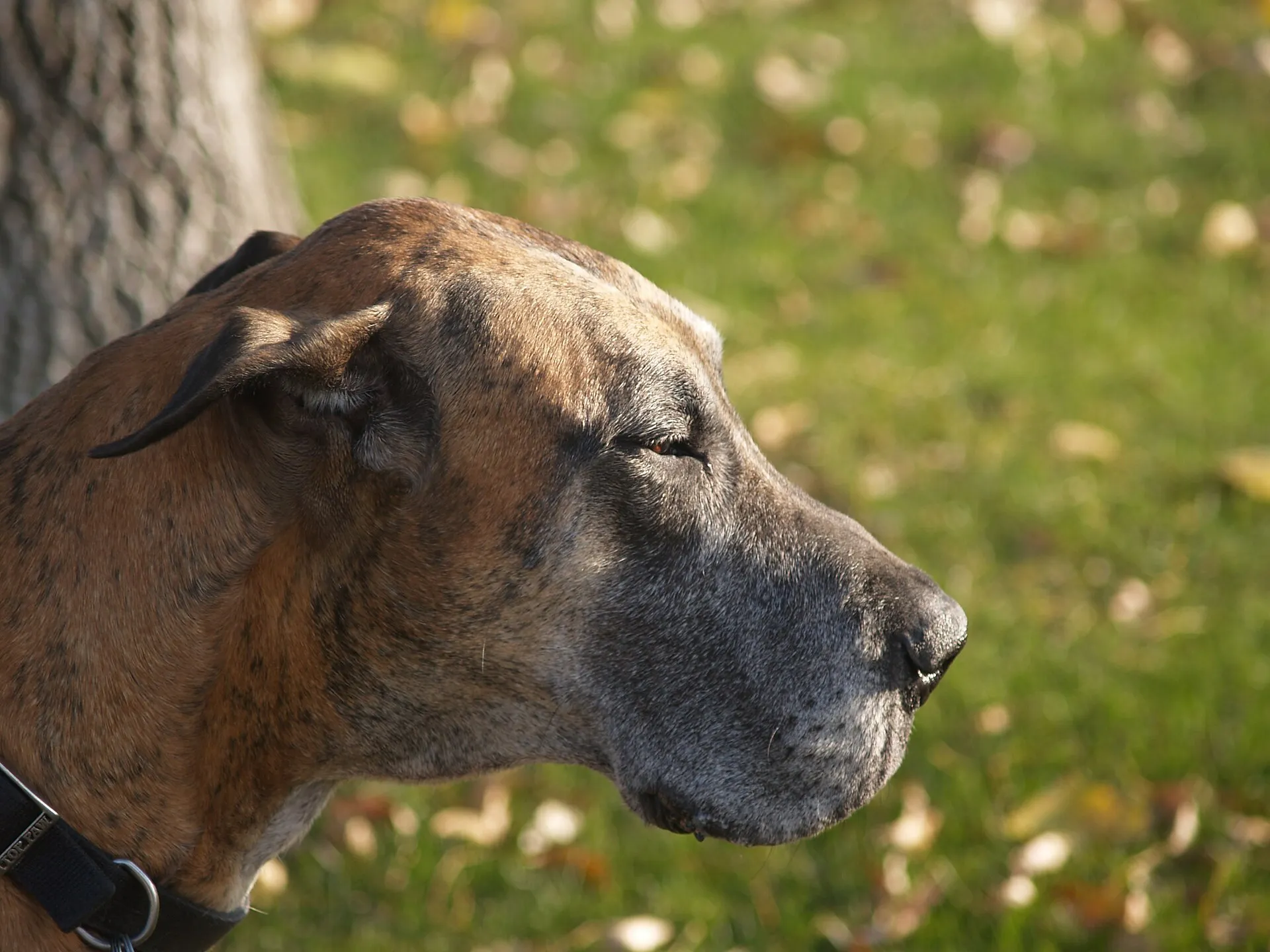
The American College of Veterinary Surgeons (ACVS) lists early signs as an anxious look or staring at the belly, standing and stretching, drooling, a swelling abdomen and retching without producing anything. Later signs are panting, a bloated belly, weakness and collapse. It calls GDV a rapidly progressive, life-threatening condition, with reported mortality of about 15% and higher risk when signs have lasted more than six hours.
Any dog can bloat, but ACVS names Great Danes, Weimaraners, St. Bernards, Irish Setters and Gordon Setters among the breeds seen most often, along with deep-chested, large and giant dogs and dogs with affected relatives. Our full guide to bloat and GDV covers prevention, including the preventive stomach-tacking surgery called gastropexy.
Vomiting in a puppy
A young puppy has small reserves and can dehydrate quickly. The big worry is canine parvovirus. The Merck Veterinary Manual says unvaccinated or partly vaccinated dogs between about 6 weeks and 6 months are most at risk. Early signs are vague (lethargy, poor appetite, fever), then vomiting and often bloody diarrhoea follow within 24 to 48 hours. With aggressive hospital treatment, more than 90% survive, so speed matters. Ring before you go, because the practice may want to keep a suspected parvo case away from the waiting room.
Vomiting on and off for weeks
Vomiting that keeps coming back, even in a dog who seems well in between, deserves an appointment rather than more waiting. Long-term vomiting can come from inflammatory bowel disease, food intolerance, kidney or liver disease, Addison’s disease, pancreatitis and, less often, ulcers or tumours. PDSA’s list of causes also includes worms, pyometra in unspayed females, diabetes and reactions to medication.
The Merck manual says investigating chronic vomiting usually means blood, urine and faecal tests and X-rays, and sometimes ultrasound, endoscopy with biopsies, or CT.
Yellow bile in the morning
Many owners describe the same thing: a dog who brings up a puddle of yellow froth early in the morning, before breakfast, then eats happily. Vets sometimes call this bilious vomiting syndrome.
The best description comes from a 2016 study at Colorado State University’s veterinary teaching hospital, which reviewed 20 dogs diagnosed with the syndrome between 2002 and 2012. The dogs were typically young, mixed-breed, neutered males with a long history of vomiting bile. Treatment included more frequent meals, a late evening meal and stomach medicines, and 12 dogs improved. Three dogs turned out to have something else entirely: gastric cancer, dietary indiscretion and liver disease. The authors also noted that most dogs never had a full enough workup to rule other causes out properly.
So a late-evening snack is a sensible thing to discuss with your vet, but have your dog checked if it keeps happening.
What to do at home for a mild case
These steps are for a dog who has vomited once or twice, is bright and alert, and has none of the red flags above.
- Keep water available. VCA says water should always be available to prevent dehydration. PDSA suggests encouraging your dog to drink little and often through the day.
- Feed small and bland. PDSA recommends small, frequent portions of a highly digestible, low-fat, low-fibre food, such as plain boiled rice with cooked chicken breast or white fish. VCA says to feed nothing else alongside it. Your vet may suggest a prescription gut diet.
- Ask about a short break from food. VCA describes holding back food briefly until the vomiting settles. Whether and how long to do that depends on your dog’s age, size and health, so check with your vet, especially for puppies, toy breeds and diabetic dogs.
- Rest. PDSA says no walks until your dog is better.
- Go back to normal food slowly, mixing it in over two to three days once the vomiting has stopped.
Don’t give human anti-sickness or stomach medicines unless your vet tells you to. Vets do use drugs such as maropitant, but only under your vet’s direction and after examining the dog.
Why you shouldn’t make your dog sick at home
If your dog has eaten something toxic, the instinct is to get it out. Ring your vet or a pet poison line first. Making a dog vomit is the wrong move for some substances and some dogs. The old home remedies do real harm too.
A 2017 study gave 3% hydrogen peroxide, the kind often recommended online, to six healthy dogs to make them vomit. Within four hours, every one of them had visible damage to the stomach lining, which got worse by 24 hours and had mostly healed by two weeks. The single dog given the vet drug apomorphine instead had minimal visible changes and normal biopsies.
See our guide to foods toxic to dogs for the usual kitchen suspects.
What the vet will do, and what it can cost
For short-term vomiting with no other signs, the Merck manual says a vet will usually start with history, including bin access and possible poisons, and a full exam, including the belly and mouth. X-rays are appropriate in most cases, with blood, urine and faecal tests as needed. VCA says a dog that isn’t lethargic and has no other signs may only need a few tests to rule out parasites and infection.
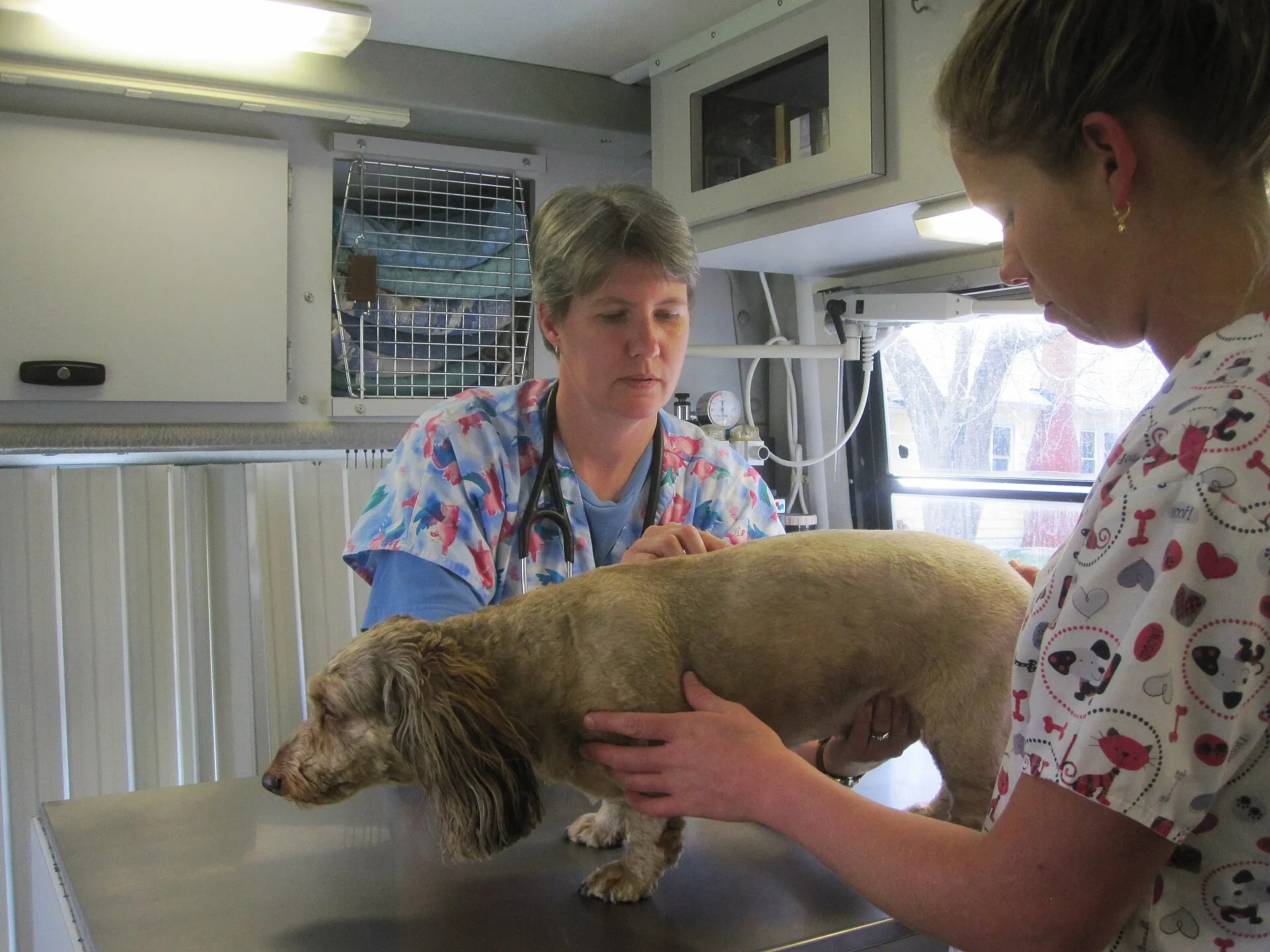
Mild cases are often treated with anti-nausea or stomach-protecting drugs and expected to improve within a couple of days. VCA says that if there is no improvement within 48 hours, the vet may change treatment or run more tests. Dehydrated dogs may need fluids, and dogs with pancreatitis, kidney or liver disease may need a hospital stay.
The expensive end is a swallowed object that has to come out. Prices vary hugely by country and clinic, and these figures come from insurers’ own data:
| Country | What was measured | Figure | Source |
|---|---|---|---|
| US | Surgery to remove a swallowed object | About $1,600 to over $12,000; care without surgery about $300 to $1,200 | Embrace Pet Insurance claims experience, updated September 2025 |
| UK | Average claim for swallowed objects | £1,401 | Tesco Insurance, reported by Which?, August 2025 |
| Australia | Average cost of toxin and foreign body ingestion cases | A$1,064 without surgery; A$5,067 with surgery | PetSure, 2023 data |
In Canada and the EU, check local prices; we couldn’t find comparable published figures. If a bill like that would be hard to cover, it is worth reading up on dog insurance while your dog is still healthy, because anything that has already happened will usually be excluded.
The bottom line
A single vomit in a bright adult dog is common and usually passes within a day with water, small bland meals and rest. Repeated vomiting, blood, belly pain, lethargy, diarrhoea, or a dog who isn’t right after 24 hours means a call to the vet that day. Unproductive retching or a swelling belly, a suspected swallowed toxin or object, and vomiting in an unvaccinated puppy all mean going now. When in doubt, ring: vets would much rather talk you out of a visit than see a dog too late.
Questions owners ask
My dog threw up once but seems fine. Should I worry?
Usually not. PDSA says a single episode in an otherwise fit dog may not need a vet straight away, but watch closely and call if it happens again, your dog seems unwell, or they aren't back to normal within 24 hours.
Why does my dog vomit yellow bile in the morning?
A dog that brings up yellow fluid on an empty stomach, often early in the morning, may have what vets call bilious vomiting syndrome. In one university hospital study, many such dogs improved with more frequent meals or a late evening meal, but a few turned out to have something else, so it is worth a vet check rather than a self-diagnosis.
Should I stop feeding my dog after they vomit?
Vet sources differ on whether to hold back food for a short time, so follow your own vet's advice. They agree that water should stay available, and that when you feed, it should be small, frequent portions of a bland, low-fat food.
What is the difference between vomiting and regurgitation?
Vomiting is active: you'll usually see drooling, lip-licking and heaving before partly digested food comes up. Regurgitation is passive and often happens soon after eating, bringing up undigested food, sometimes in a tube shape. Tell your vet which one you saw, because they point to different problems.
How much does it cost if a vomiting dog needs surgery?
It varies a lot by country and clinic. Embrace Pet Insurance put US surgery for a swallowed object at about $1,600 to over $12,000 in 2025; Tesco Insurance's average UK claim for swallowed objects was £1,401; and PetSure's 2023 Australian average for ingestion cases treated with surgery was A$5,067.
Sources
- Merck Veterinary Manual (Pet Owner Version): Vomiting in Dogs
- PDSA Pet Health Hub: Vomiting in dogs
- VCA Animal Hospitals: Vomiting in Dogs
- American College of Veterinary Surgeons: Gastric Dilatation-Volvulus
- Merck Veterinary Manual: Canine Parvovirus
- Ferguson et al. (2016): Bilious Vomiting Syndrome in Dogs, Retrospective Study of 20 Cases, JAAHA
- Niedzwecki et al. (2017): Effects of oral 3% hydrogen peroxide used as an emetic on the gastroduodenal mucosa of healthy dogs, JVECC
- Embrace Pet Insurance: Cost of surgery to remove a swallowed foreign object (updated September 2025)
- Which?: The summer hazard behind costly dog insurance claims (August 2025)
- PetSure: Pet mishaps, toxins and foreign body ingestion for dogs
This guide is general information, not a substitute for advice from a vet who has examined your dog. Every claim is checked against the sources above. How we research and fact-check. Spotted an error? Tell us.