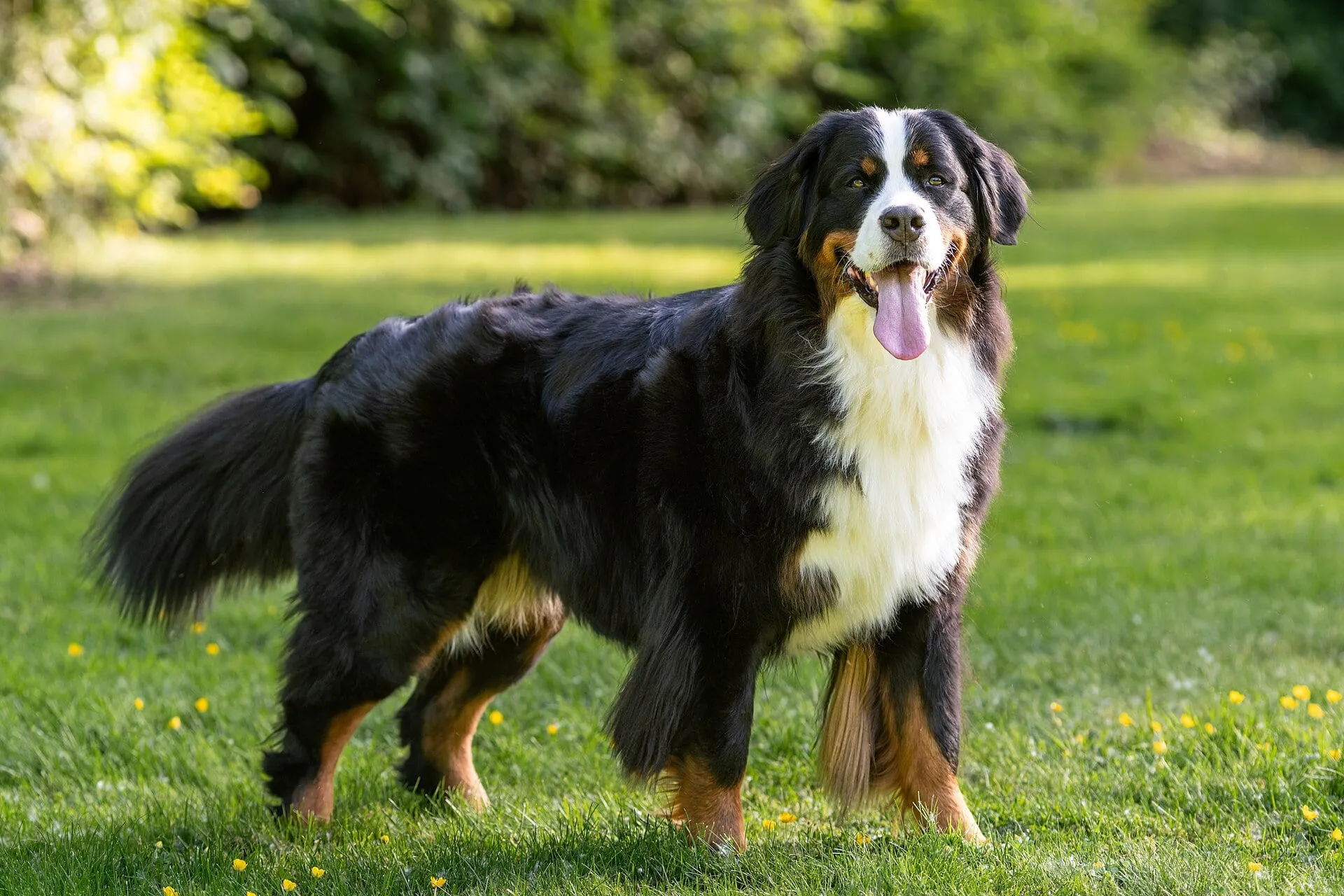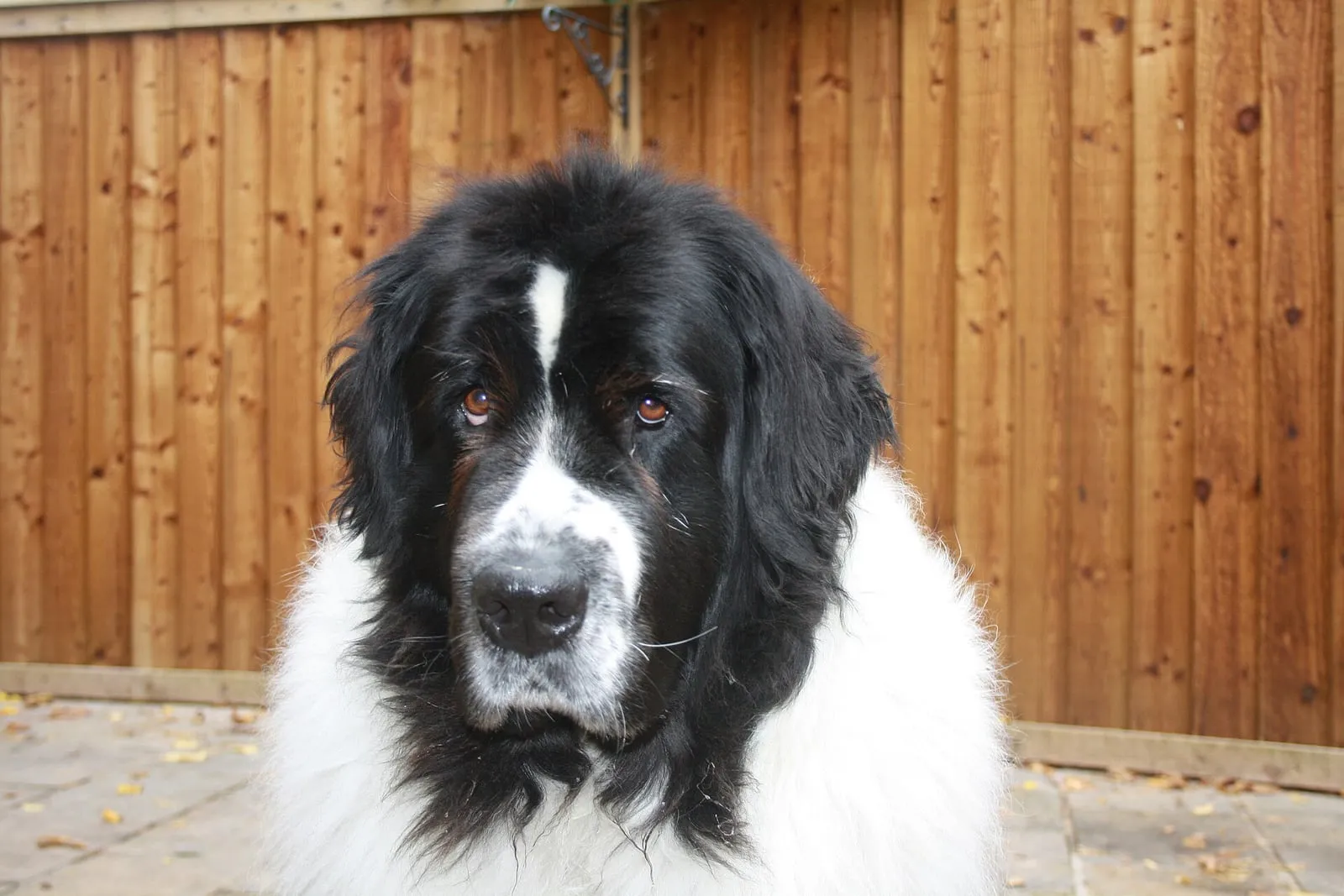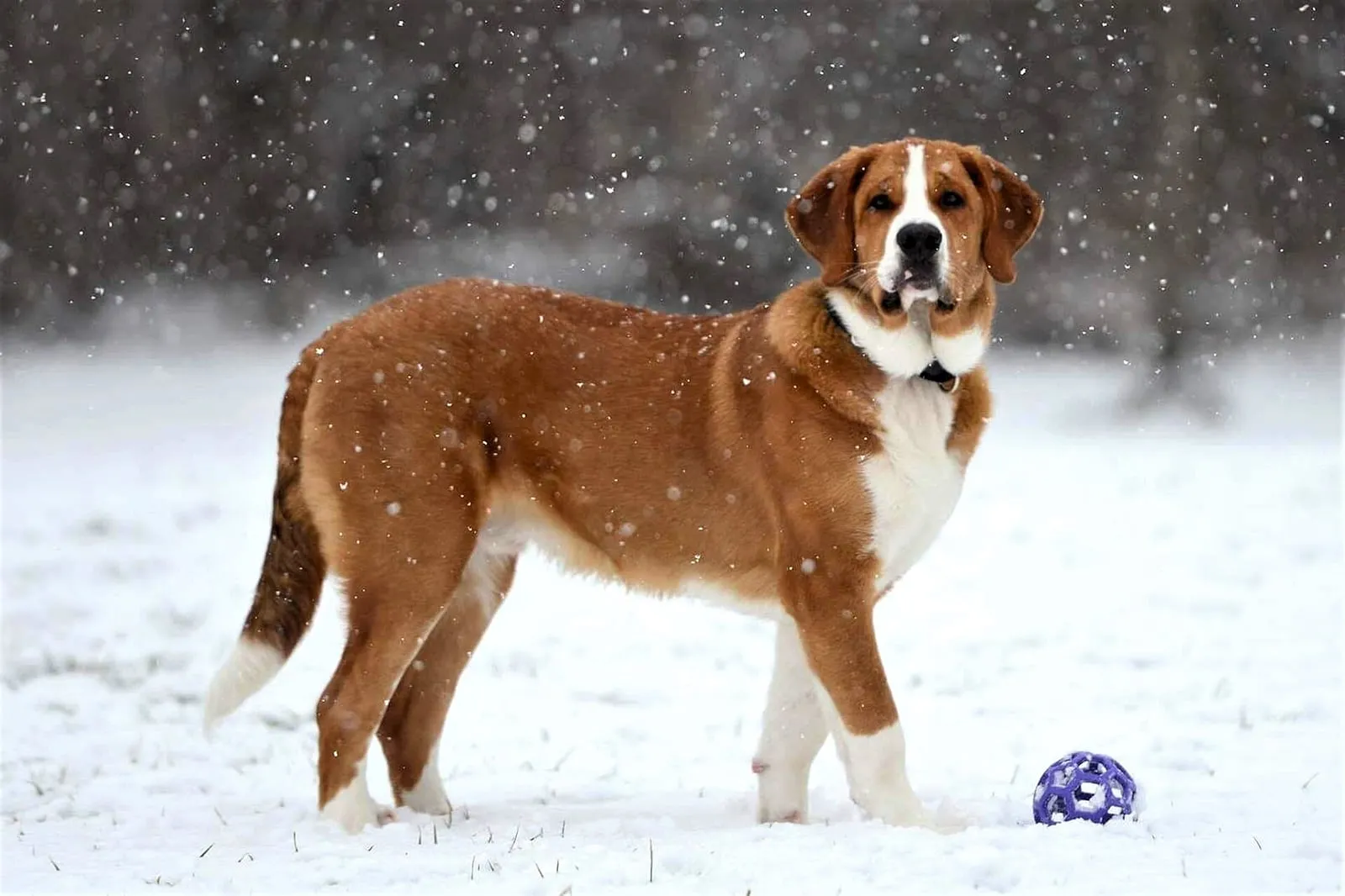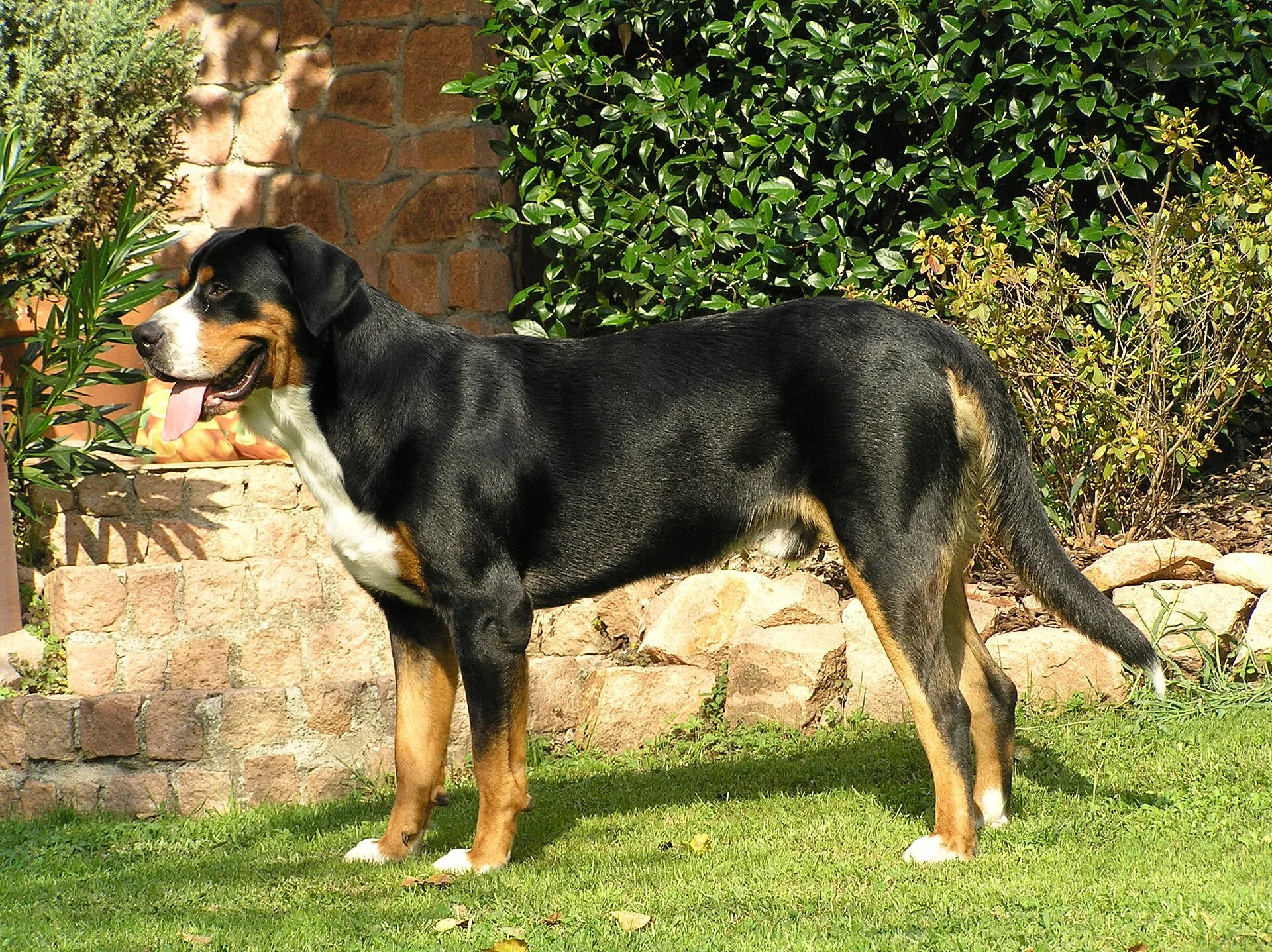
Temperament
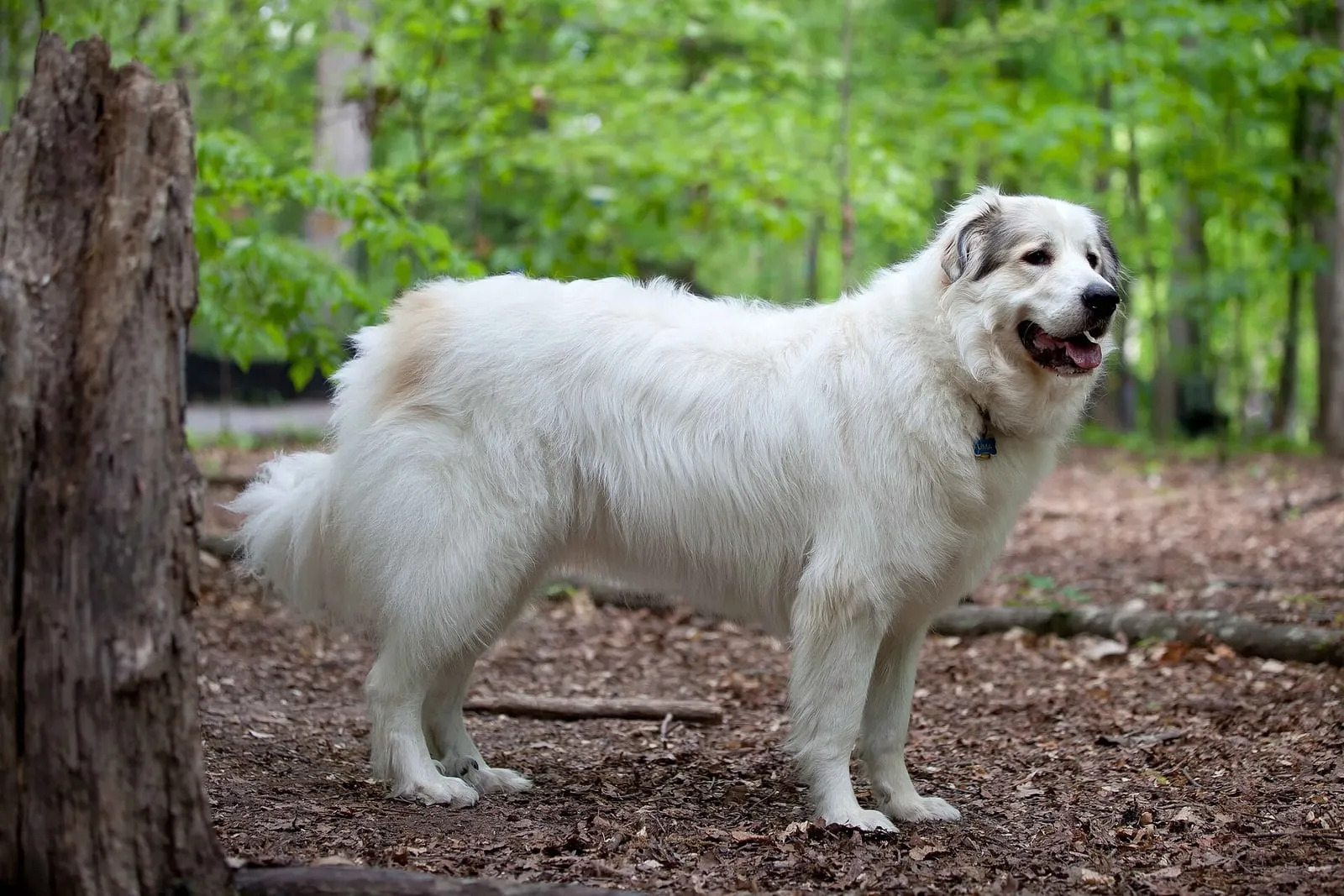
Calm, Gentle, Independent, Protective.
Health problems to know about
- Hip and elbow dysplasia
- Patellar luxation
- Osteosarcoma (bone cancer)
- Entropion
- Bloat (GDV)
Ask breeders for the parents' health test results, and check what your national breed club recommends screening for.
Daily care
About an hour of exercise a day, and gentle exercise only for puppies while joints grow. Brush the thick double coat at least weekly and daily in moult. Keep them behind solid fencing, because they patrol and wander, and check the double hind dewclaws when you trim nails.
A good fit for
Calm homes with space and a secure garden, cool climates, patient owners who accept an independent dog.
Probably not ideal for
Flats and close neighbours (night barking), hot climates, owners wanting quick obedience or reliable off-lead recall.
Sources
Popularity: AKC 2025 registration rankings (US); Royal Kennel Club 2025 registrations (UK, ranked by us). Breed traits are tendencies, not guarantees. Individual dogs vary, and mixed breeds and rescues can be wonderful fits too.