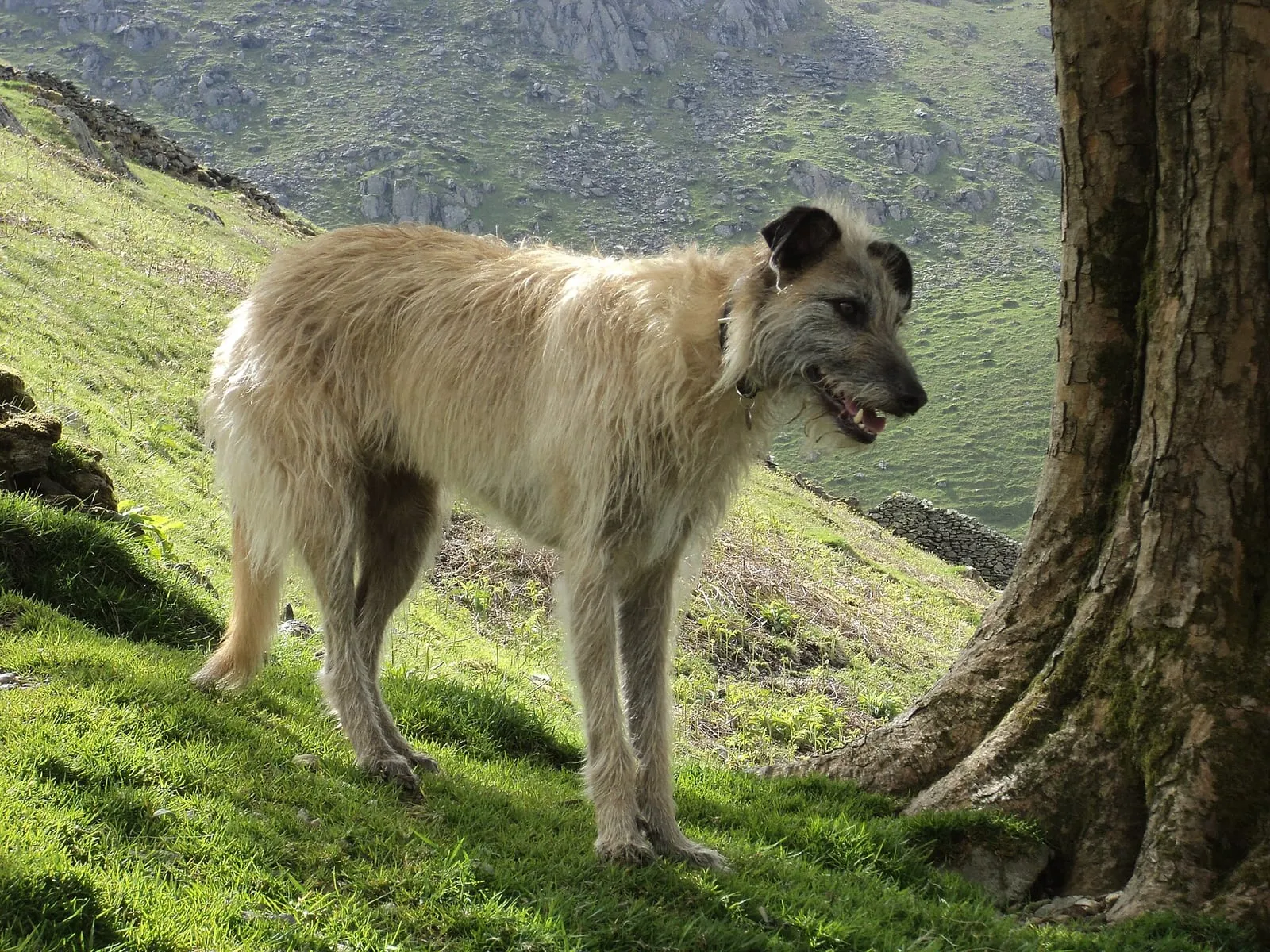
Temperament
Gentle, Loyal, Relaxed, Stubborn.
Health problems to know about
- Bloat (GDV) in deep-chested dogs
- Injuries and skin tears (thin-skinned sighthound types)
- Conditions of the parent breeds
Ask breeders for the parents' health test results, and check what your national breed club recommends screening for.
Daily care
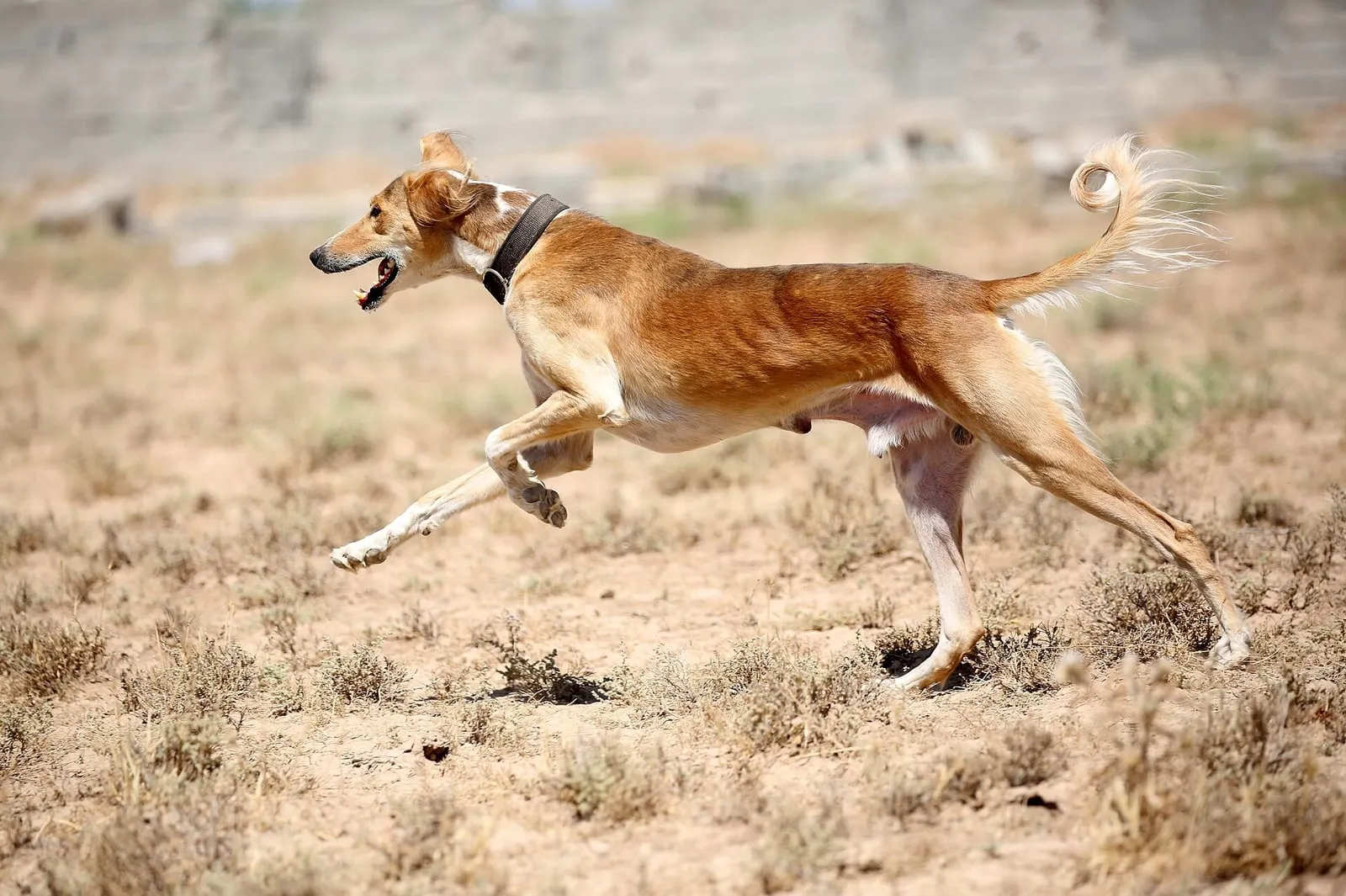
Daily walks plus a chance to sprint somewhere safe and enclosed. Short-coated lurchers need a coat in cold weather. Many need a muzzle and careful introductions around small animals.
A good fit for
Calm homes, adopters (many lurchers wait in UK rescues), flats with good access to open space.
Probably not ideal for
Homes with cats or small pets unless the dog is tested with them, owners who need reliable off-lead recall.
Popularity: AKC 2025 registration rankings (US); Royal Kennel Club 2025 registrations (UK, ranked by us). Breed traits are tendencies, not guarantees. Individual dogs vary, and mixed breeds and rescues can be wonderful fits too.