The short answer
- Budget for a pricier first year, since one-off costs like neutering, vaccinations and a crate add roughly US$1,030 in the ASPCA's 2021 estimate.
- Expect a large dog to cost noticeably more each year, because food, parasite preventives and many medicines are priced by weight.
- Plan for unplanned vet bills with insurance, a savings fund you leave alone, or both, because routine estimates leave them out.
- Ask your local vet what common procedures cost, as prices vary a lot between general practices and emergency hospitals.
- Cut costs sensibly by adopting, insuring early, asking for prescriptions to compare, and keeping your dog at a healthy weight.
A dog costs roughly US$1,400 a year in routine care in the US, and about US$3,200 in the first year once you add one-off puppy costs, according to the ASPCA’s itemised estimate, last updated in 2021. Newer US surveys come out higher: Synchrony’s 2025 study of nearly 5,000 owners put the cost of a dog over a 15-year life at US$22,125–US$60,602, or roughly US$1,500–US$4,000 a year if you divide it evenly. In the UK, PDSA puts the minimum at £69–£116 a month depending on size. Neither figure includes emergency vet treatment, which is the cost most likely to blow a hole in your budget.
Costs vary a lot by country, city, breed and how you choose to look after your dog. Treat every number below as a starting point and check local prices.
The short answer by country
Each of these comes from a different organisation, counts different things and dates from a different year. They are not directly comparable, but together they give a realistic range.
| Country | First year | Each year after | What’s left out | Source |
|---|---|---|---|---|
| United States | about US$3,221 | about US$1,391 | Emergency care, purchase price | ASPCA, 2021 update |
| United Kingdom | £415–£560 set-up, plus running costs | £69–£116 a month minimum (about £830–£1,390 a year) | Vet fees for illness or injury, boarding, grooming, training, purchase price | PDSA, calculated 2024 |
| Canada | about CA$5,000 for a puppy | about CA$4,400 for an adult dog | Emergencies | Noonan, Canadian Veterinary Journal, 2024 |
| Australia | A$1,979–A$3,001 | about A$2,520 a year, the average spend of a dog-owning household | First year: emergencies, purchase price. Yearly figure: an average of what households spent, not a budget | RSPCA NSW (first year); Animal Medicines Australia, 2025 survey (yearly) |
| Ireland | €350 neutering plus about €200 in equipment, on top of running costs | about €1,600 | Boarding, grooming | Dogs Trust Ireland |
The US line items are the newest the ASPCA publishes, but they date from 2021 and vet prices have risen since, so read them as a floor. The Canadian figure is noticeably higher partly because of its assumptions. It includes pet insurance, a prescription diet and annual professional dental care, which many owners will not need every year. The paper doesn’t state its currency; as a Canadian national average it is almost certainly in Canadian dollars, which is how we show it.
RSPCA NSW also publishes a yearly running cost, but its page gives conflicting minimums (A$930 in one place, A$1,260 or A$1,870 in another), so we use the Animal Medicines Australia survey for Australia’s yearly figure instead.
First-year costs: what you pay for once
The first year costs more because you buy everything at once and your puppy needs a run of vet visits. The ASPCA’s one-time estimate for a dog (2021 figures) adds up to about US$1,030, before the price of the dog itself:
- Spay or neuter: US$300
- Initial vaccinations and vet costs: US$300
- Training classes and materials: US$200
- Collar, lead and harness: US$60
- Crate: US$60
- Carrier: US$50
- Grooming tools: US$40
- Microchip: US$20
The ASPCA’s first-year total of US$3,221 also includes ongoing costs and two “special” items: professional grooming (US$300) and dental care (US$500).
Elsewhere, the same items look like this:
- Australia: RSPCA NSW lists desexing at A$350–A$650 depending on age, sex and size, puppy vaccinations at A$280–A$420 and microchipping at A$60–A$80.
- Ireland: Dogs Trust Ireland puts spaying or neutering at around €350.
- UK: PDSA’s set-up estimate rises with size, from £415 for a small dog to £560 for a large one, excluding microchipping and the purchase price.
If you adopt from a rescue, some of this is often already done. RSPCA NSW notes its adopted dogs come desexed, vaccinated, microchipped and treated for worms and fleas.
Ongoing yearly costs, line by line
Here is how the main recurring costs compare across the sources that publish line items. Where a source gives no figure, the cell says so.
| Cost | US (ASPCA, 2021) | Canada (Can Vet J, 2024, adult dog) | Australia (RSPCA NSW) | Ireland (Dogs Trust) |
|---|---|---|---|---|
| Food | US$300 | CA$1,418 (prescription diet) | A$600–A$1,000 | €600 |
| Routine vet care and vaccines | US$225 | CA$196 (exams with vaccines) | from A$140 | €100–€150 |
| Flea, tick, worm and heartworm prevention | US$185 | CA$272 | A$200–A$250 flea and worming, up to A$250 heartworm | €180 |
| Insurance | US$516 | CA$1,187 | not listed | €300 |
| Toys and treats | US$97 | CA$79 (toys) | from A$30 | €200 (toys and chews) |
| Licence or registration | US$15 | CA$31 | A$23–A$201 council registration | €20 |
| Grooming | US$28 supplies; US$300 professional | not listed | A$40–A$200 a visit | €20 supplies; €300 if needed |
| Boarding | US$25 a day | not listed | not listed | €300 if needed |
For the UK, PDSA publishes totals rather than line items, so check local prices for each category.
Food
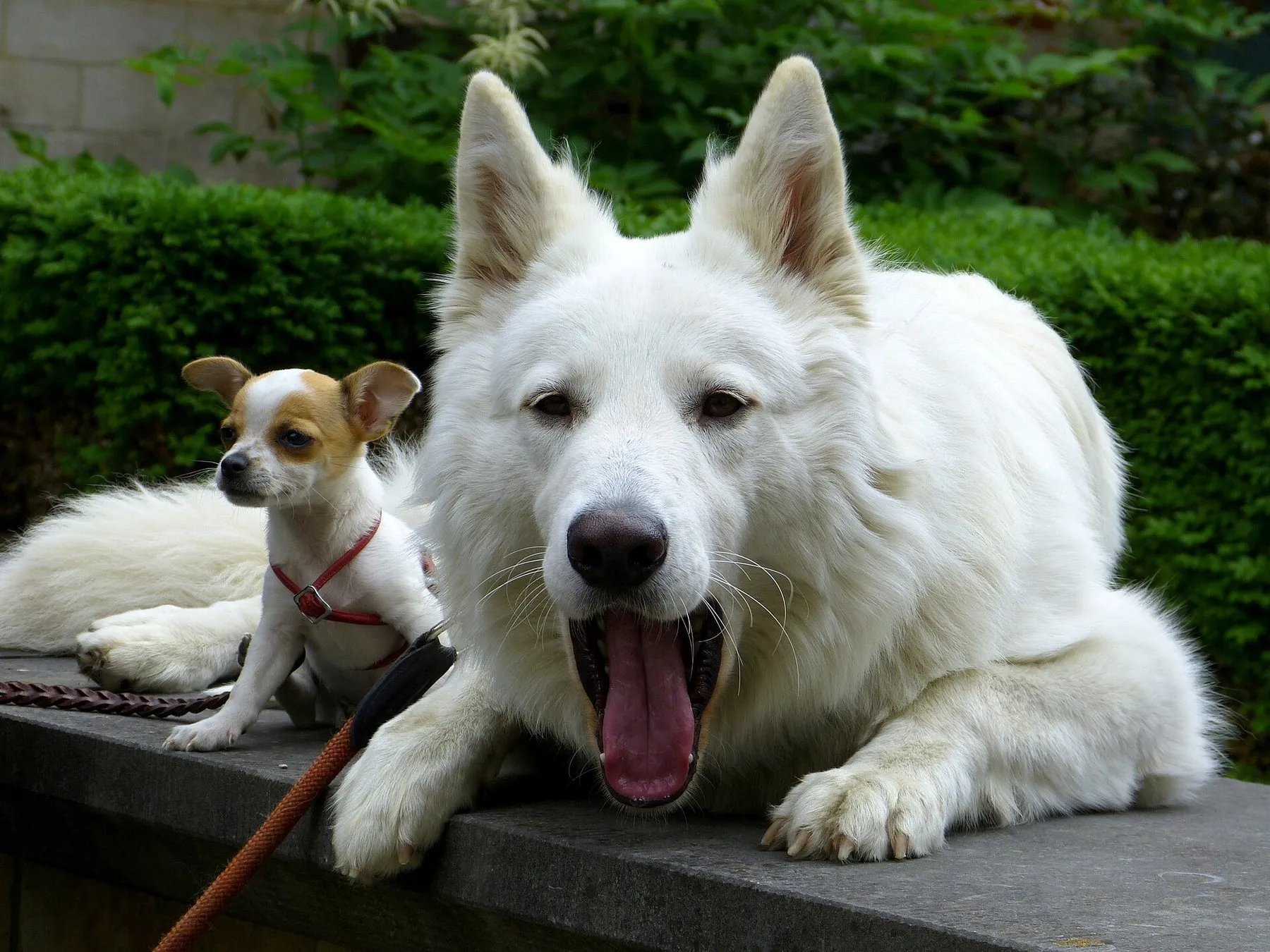
Food is usually the biggest predictable cost, and it scales directly with your dog’s size. A 5 kg (11 lb) terrier eats a fraction of what a 40 kg (88 lb) Labrador does. Prescription diets, which some dogs need for allergies, kidney or gut problems, cost more than standard food.
Vet care and preventives
Routine care covers an annual check-up, booster vaccinations and, where relevant, faecal tests. Parasite prevention varies by region. The ASPCA, the Canadian estimate and RSPCA NSW all budget for heartworm prevention, while the PDSA and Dogs Trust Ireland figures do not list it separately. Flea and tick risk also depends on where you live, so ask your vet which products your dog needs locally.
Products are usually priced by weight band, so a large dog costs more to protect.
Insurance
Insurance is the line with the widest range, because it depends on breed, age, location and how much cover you choose. As published averages:
- US: US$836 a year for dog accident and illness cover (NAPHIA, 2025 data)
- Canada: CA$1,176 a year for dog accident and illness cover (NAPHIA, 2025 data)
- Ireland: about €300 a year in Dogs Trust Ireland’s estimate
Premiums usually rise as your dog ages. If you skip insurance, budget for the emergency fund instead, not for nothing. Our guide to whether pet insurance is worth it covers the trade-off.
Grooming, boarding and day care
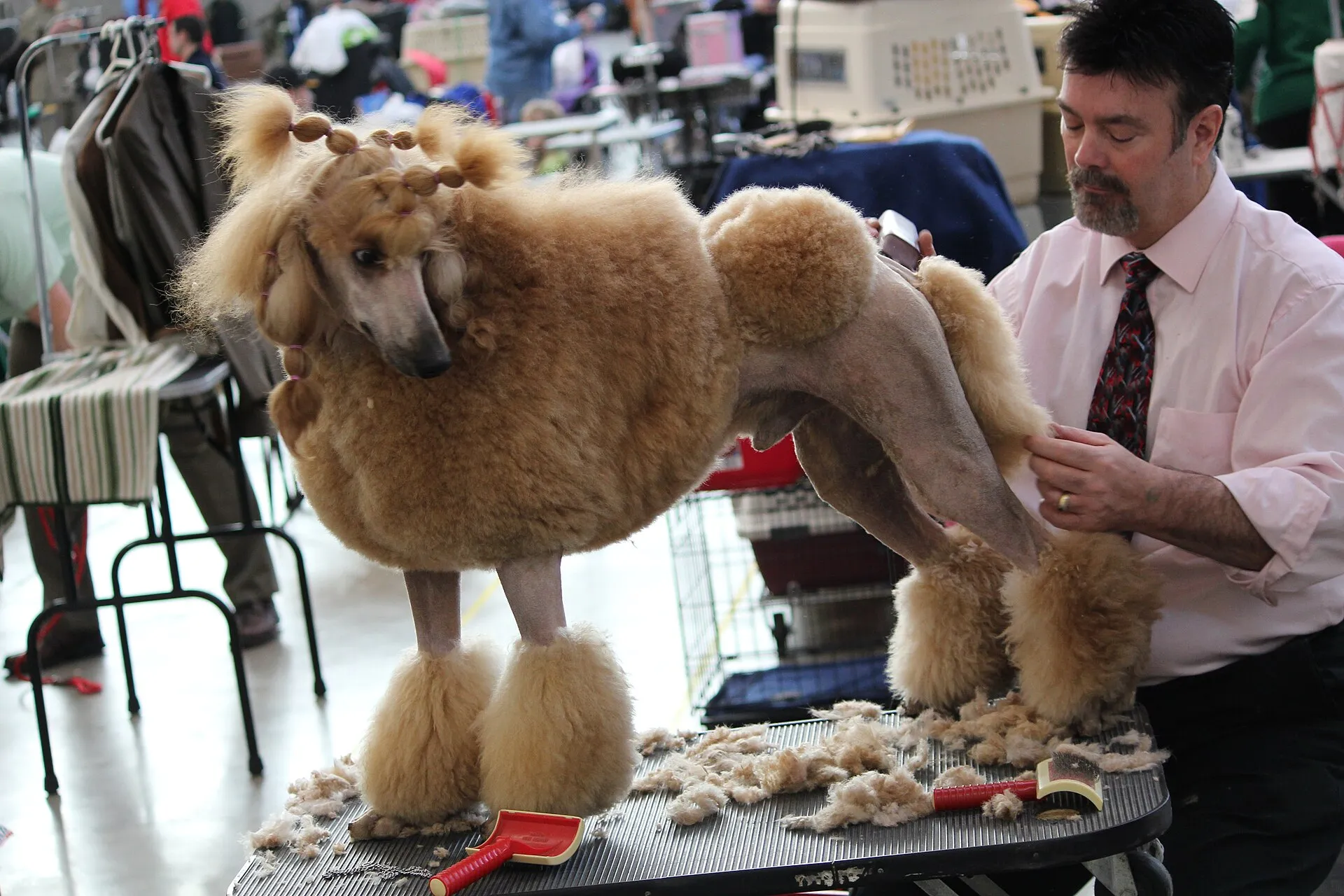
These are optional for some dogs and unavoidable for others. A short-coated Beagle can be groomed at home. A Poodle or Bichon Frise needs professional clipping; RSPCA NSW notes some dogs need around six grooming visits a year, at A$40–A$200 a visit.
Boarding and day care depend entirely on your life. If you travel or work long days away from home, they can rival food as a yearly cost. Dogs Trust Ireland puts dog walkers or day care at €10–€35 a day.
How size changes the bill
Size affects almost every line, and PDSA is one of the few organisations that publishes figures by size:
| Size | Set-up costs (minimum) | Monthly ongoing (minimum) | Lifetime (minimum) |
|---|---|---|---|
| Small | £415 | £69 | £6,200–£12,000 |
| Medium | £531 | £83 | £9,000–£14,000 |
| Large | £560 | £116 | £8,200–£18,800 |
PDSA, costs calculated in 2024. Excludes purchase price, microchipping, vet fees for illness or injury, special diets, boarding, grooming and training.
The same pattern applies outside the UK. Food, parasite preventives and many medicines are priced or dosed by weight, and larger dogs often need bigger beds, crates and car restraints. Expect a large or giant breed to cost noticeably more each year than a small one, wherever you live.
The cost that isn’t in any of these tables
Every estimate above either leaves out unplanned vet treatment or covers only routine care. That is the real wildcard.
A few reference points:
- Which? gives the example of hip dysplasia needing both hips replaced costing around £7,000 in the UK.
- The UK Competition and Markets Authority’s 2026 review of the vet market found that fewer than half of owners got price information before recent non-routine treatment, and only 29% of those got it in writing. It also found many owners could save £200 a year or more by buying long-term medication online.
For a US, Canadian, Australian or Irish estimate, ask your local vet what common procedures cost, such as foreign body surgery or cruciate ligament repair. Prices vary a lot between general practices and specialist or emergency hospitals.
You have two realistic ways to plan for this: insurance, or a dedicated savings fund that you leave alone. Many owners combine a modest policy with savings.
Ways to keep costs down without cutting corners
- Adopt where you can. Rescue dogs are often already neutered, vaccinated and microchipped.
- Insure early if you plan to insure at all, before anything appears in your dog’s vet records.
- Ask for prescriptions for long-term medication and compare prices. In the UK, the CMA’s legally binding order caps written prescription fees at £21.40 for the first medicine and £12.70 for each extra one from late September 2027.
- Keep your dog at a healthy weight. Ask your vet what that is for your dog; overfeeding costs money as well as fitness.
- Learn basic grooming such as nail trims and brushing, if your dog’s coat allows it.
- Keep up with vaccinations and parasite prevention. Routine prevention is usually far cheaper than treating the disease it prevents.
The bottom line
On published estimates, routine care for a dog starts at roughly US$1,400 (on 2021 prices), £830–£1,390 or €1,600 a year, and Australian dog-owning households spend about A$2,520 a year on average. The first year costs more. Size moves every line of the budget, and none of these figures covers a serious illness or injury. Before you bring a dog home, price your local vet, food and insurance, then add an emergency plan on top.
Questions owners ask
How much does a dog cost per month?
On published estimates, a rough floor is about US$116 a month in the US (ASPCA, 2021 figures) and £69–£116 a month in the UK depending on size (PDSA, 2024). Neither includes emergency vet bills, and real costs are often higher.
Is a large dog much more expensive than a small one?
Yes. PDSA's 2024 figures put minimum monthly costs for a large dog at £116 against £69 for a small dog, mainly because food, parasite treatments and medication scale with body weight.
Why is the first year so expensive?
Puppies need a course of vaccinations, neutering, microchipping, training and equipment on top of normal running costs. ASPCA's 2021 estimate puts one-time costs at about US$1,030, excluding the price of the dog.
Do these figures include the cost of buying the dog?
No. The ASPCA and PDSA figures exclude the purchase or adoption price, which ranges from a modest rescue fee to several thousand for some pedigree puppies.
What is the biggest cost people forget?
Unplanned vet treatment. PDSA's figures leave it out entirely, and a single serious problem such as hip surgery can cost thousands. Either insure or keep a dedicated emergency fund.
Sources
- ASPCA: Cutting Pet Care Costs (2021 update cost table)
- Synchrony: 2025 Pet Lifetime of Care study (press release, June 2025)
- PDSA: The cost of owning a dog
- Noonan A. Cost of owning a pet. Can Vet J. 2024;65(11):1197-1201
- RSPCA NSW: Cost of owning a pet
- Animal Medicines Australia: Pets in Australia 2025 media release (September 2025)
- Dogs Trust Ireland: Cost of dog ownership
- NAPHIA: 2026 State of the Industry Report highlights (2025 data)
- Which?: Pet insurance explained
- CMA: CMA concludes market investigation with major reforms to veterinary sector (March 2026)
- GOV.UK: What veterinary businesses and vets need to do following the CMA's final vets report
This guide is general information, not a substitute for advice from a vet who has examined your dog. Every claim is checked against the sources above. How we research and fact-check. Spotted an error? Tell us.