The short answer
- Find your policy's claim deadline now, because some insurers want claims within 90 days of the invoice while others allow around 12 months.
- Send an itemised vet invoice, a completed claim form and, for a first claim, your dog's full clinical history including the vet's notes.
- Answer every application and claim question accurately, because past symptoms in the vet notes decide most pre-existing condition disputes.
- Ask the insurer to explain a refusal in writing and point to the policy clause it relied on.
- If the insurer won't budge, use its complaints process and then a free ombudsman or regulator, such as the UK Financial Ombudsman Service or your US state insurance department.
To make a pet insurance claim, pay the vet or arrange direct payment, send the insurer an itemised invoice and a claim form completed by you and your vet, add your dog’s clinical history if it’s your first claim, and do it before the policy’s deadline. Most rejected claims come down to a small set of reasons: a condition the insurer treats as pre-existing, an illness that started in the waiting period, an exclusion or limit in the policy, a missed time limit, or missing paperwork. Knowing those in advance prevents most of the nasty surprises.
Before you ever need to claim
The best time to prepare for a claim is the week you buy the policy.
- Read the policy wording, not just the summary. Look for the claim deadline, the excess or deductible, any co-payment, per-condition limits, waiting periods and how pre-existing conditions are defined. Our explainer on how dog insurance works walks through these terms.
- Know the deadline. Healthy Paws in the US says claims must be submitted within 90 days of the invoice date. Which? says UK policies commonly allow 12 months from treatment, but this varies, so check yours.
- Check any exam requirement. The NAIC, which represents US state insurance regulators, notes that some insurers require a vet to examine your pet and certify its health before cover starts. Healthy Paws, for example, asks for a recent exam in most states, timed by your dog’s age.
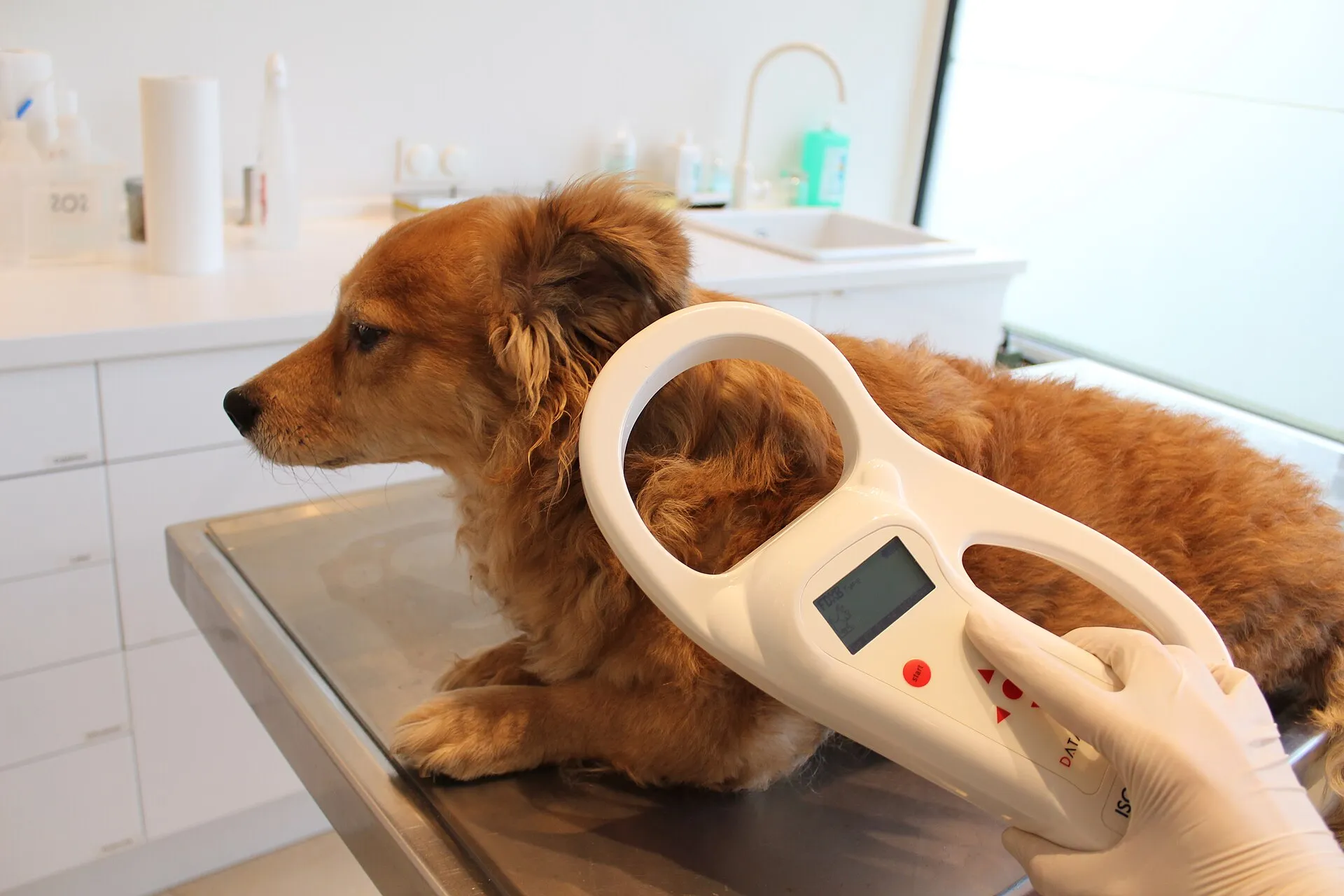
- Get your dog’s records together. Ask every practice your dog has visited, including the breeder’s vet or rescue’s vet, for a copy of the clinical history. A first claim often triggers a request for it.
How to make a claim, step by step
- Check cover before non-urgent treatment. For planned treatment, ring the insurer first. Petplan, for instance, invites customers to call its claims team to ask whether a treatment is likely to be covered, while making clear it can’t promise. In an emergency, treat first and sort the paperwork later.
- Decide who pays the vet. The NAIC and Washington State’s insurance regulator both note that many policies make you pay the full bill and reimburse you afterwards, while some insurers pay the vet directly. Healthy Paws asks for direct payment requests before treatment and says approval doesn’t guarantee the claim will be covered. Ask your practice whether it accepts direct claims from your insurer.
- Collect the paperwork. You will normally need an itemised, paid invoice and a claim form. Healthy Paws asks for the pet’s full medical history with the first claim, including the vet’s notes (sometimes called SOAP notes), lab results and other visit records. Petplan asks for a separate claim form for each vet practice that saw your pet.
- Submit promptly. Petplan and Healthy Paws, for example, both take claims online, and Petplan also accepts claims sent through your vet. Keep copies of everything you send and note the date.
- Answer follow-up questions quickly. Insurers often ask for more history or clarification from the vet. A slow reply is one of the easiest ways to stall a claim.
- Check the settlement. The payout is the covered bill minus your excess or deductible and any co-payment, up to the policy limit. Ireland’s Competition and Consumer Protection Commission (CCPC) notes that many policies add a co-payment once a pet reaches a certain age, often five or six, and that annual policies usually cover each condition for only 12 months.
Why pet insurance claims get rejected
The UK Financial Ombudsman Service (FOS) lists the complaints it sees most: claims declined because of a pre-existing condition, an excluded treatment such as dental work, a time limit or the pet being aggressive, along with mis-sold policies, steep price rises, unfair excesses, backdated exclusions and changes to lifetime terms. Those patterns hold well beyond the UK.
Pre-existing conditions
This is the big one. The FOS says an insurer may decline a claim if the animal showed signs of the illness before the policy started, or within the first 14 days. When it reviews a dispute, the ombudsman looks at the policy wording, the pet’s medical history, whether the new problem is the same as or related to an earlier one, and what the owner knew or should have known when buying the policy.
Definitions vary by insurer. Healthy Paws, for example, defines a pre-existing condition as one that developed or recurred before the policy started, including complications. It treats some curable problems, such as kennel cough or conjunctivitis, as no longer pre-existing after 365 days without signs or treatment, but not cruciate ligament tears, hip dysplasia or conditions needing lifelong medication. If one cruciate ligament was affected before enrolment, the other side is excluded too. The NAIC also warns that a condition treated during one policy term may be treated as pre-existing at renewal.
Disputes aren’t always lost by the owner. In a 2022 Australian case, the Australian Financial Complaints Authority (AFCA) ruled that PetSure could not treat six conditions as pre-existing simply because they arose during the waiting period, and found the policy wording wasn’t clear enough for an average person. One condition, narrowed nostrils recorded on a health certificate before cover began, stayed excluded. AFCA also noted the insurer had mistakenly used an invoice for a different dog with the same name.
For more on how insurers draw these lines, see our guide to pre-existing conditions and pet insurance.
Waiting periods
Most policies don’t pay for illness that starts in the first days of cover. Which? says most UK providers exclude illnesses starting in the first 10 to 14 days. Healthy Paws uses 15 days in most US states and 12 months for hip dysplasia in dogs enrolled at five or under. Our guide to pet insurance waiting periods covers how these differ by country.
Time limits and condition limits
Many policies cover a condition for a set time, often 12 months, or up to a cash limit. The FOS says it expects a time limit to start from when a vet recommends investigation or treatment, even if the owner doesn’t go ahead at that point, and that an owner may have needed to renew the policy to keep claiming. Delaying treatment doesn’t pause the clock.
Exclusions
The FOS names excluded treatments such as dental work among the most common reasons for declined claims, and the NAIC notes that congenital or hereditary conditions may get only limited benefits. If a treatment matters to you, check its wording before you need it.
Wrong or incomplete answers on the application
If an insurer adds an exclusion or raises the premium mid-term because it says your application answers were wrong, the FOS says the insurer must show that its questions were clear and that you answered incorrectly or without reasonable care. Mentioning a past limp or ear problem at the start costs you far less than having it discovered at claim time.
How to keep a claim from being rejected
- Claim as soon as you can; don’t sit on invoices
- Disclose your dog’s history honestly when you buy, and keep a copy of what you said
- Ask your vet to make sure clinical notes record the date signs first appeared, and correct anything inaccurate
- Use the insurer’s claim form for every practice involved
- Keep the policy wording from the year of treatment, not just the current one
- Check whether the condition is linked to anything claimed or treated before; if it is, the insurer will treat them together
- Raise questions about cover in writing, and keep the answers
If your claim is rejected
First, ask the insurer to explain the decision in writing and to name the clause it relied on. Compare that with your policy wording and your dog’s notes. If the decision depends on a vet’s description, ask your vet whether the notes are accurate and complete.
Then escalate:
- United Kingdom. Complain to the insurer using its procedure. If it doesn’t send a final response within eight weeks, or you disagree with it, you can take the complaint to the Financial Ombudsman Service, which is free. Which? notes you usually have six months from the insurer’s final response to do so, and that FOS decisions bind the company but not you, so you can still go to court.
- United States. The NAIC advises trying to resolve the problem with the insurer first, then filing with your state department of insurance. Write a factual, dated timeline, quote the policy language and say what outcome you want. State departments investigate free of charge, forward the complaint to the insurer and can require it to put things right.
- Australia. The Australian Financial Complaints Authority handles disputes with insurers, as the PetSure case above shows. Use the insurer’s internal complaints process first.
- Ireland and elsewhere. Use the insurer’s complaints process, then check your national consumer regulator or financial ombudsman. In Ireland, the CCPC’s guidance is a good starting point.
How often are claims paid?
UK data shows the scale. According to the Association of British Insurers (ABI), UK insurers paid a record £1.23 billion on pet claims in 2024, across 1.8 million claims, an average of about £685 per claim. Dogs accounted for £933 million of that. The ABI figures don’t say how many claims were declined.
Individual insurers publish their own figures. Petplan, for example, says it pays 97% of the claims it receives, based on its data since 2023. That is the insurer’s own claim and not independently audited, so treat any company’s acceptance rate as a marketing figure. Prices and claims experience vary by country, breed, age and postcode or ZIP code, so compare policies on their wording, not just their headline numbers. Our pet insurance hub explains what to look for.
The bottom line
A smooth claim starts before your dog is ever ill: know your deadline, gather the records and be honest on the application. When you claim, send an itemised invoice, a completed form and the clinical history, and answer follow-up questions quickly. Most refusals involve pre-existing conditions, waiting periods, time limits or exclusions, so read those clauses closely. If you think a refusal is wrong, ask for the reason in writing, complain to the insurer, and take it to the ombudsman or regulator if you need to.
Questions owners ask
How long do I have to make a pet insurance claim?
It depends on the policy. Healthy Paws in the US asks for claims within 90 days of the invoice date, while Which? says UK policies commonly allow 12 months from treatment. Check your own policy wording and claim as soon as you can.
Can the insurer pay my vet directly?
Many can, but not all, and your vet practice has to agree too. Ask both before treatment if possible. Direct payment doesn't guarantee the claim will be accepted, so you can still owe the bill.
Will my premium go up if I claim?
It may. Ireland's consumer regulator, the CCPC, notes that premiums can rise after a claim or at renewal. Some insurers also treat a condition claimed in one year differently at renewal, so read the renewal terms.
My vet wrote something in the notes that's wrong. What can I do?
Ask your vet to check the record. If something is inaccurate or unclear, ask whether the practice can correct or clarify it in writing. The UK ombudsman, for one, weighs the pet's medical history heavily when it reviews a disputed claim.
Sources
- Financial Ombudsman Service (UK): Pet insurance
- Which?: Pet insurance explained
- Insurance Times: Pet insurance payouts top £1bn for third consecutive year (ABI 2024 data)
- NAIC: Pet Insurance: It Could Save Your Pet's Life, Could Save You Money
- NAIC: How do I file a complaint against my insurance company?
- Washington State Office of the Insurance Commissioner: Pet insurance
- Healthy Paws Pet Insurance: FAQ
- Petplan UK: How to claim
- CCPC (Ireland): Pet insurance
- Insurance News (Australia): Insurer loses pre-existing conditions dispute over Daisy the dog
This guide is general information, not a substitute for advice from a vet who has examined your dog. Every claim is checked against the sources above. How we research and fact-check. Spotted an error? Tell us.