The short answer
- Ask yourself whether you could pay a bill of several thousand today without borrowing; if not, insurance is probably worth it.
- Insure while your dog is young and healthy, because anything in their vet records before the policy starts is usually excluded.
- Choose lifetime or annual-limit cover if you want long-term conditions covered, rather than a policy that stops after 12 months.
- If you self-insure, set up a separate savings account today and leave it untouched for the dog.
- Get to a vet first in an emergency and sort out what your policy covers afterwards.
Pet insurance is worth it for most dog owners who could not comfortably pay a surprise vet bill of several thousand dollars, pounds or euros. It is usually poor value if you already have a large cash cushion set aside for your dog and the discipline to leave it alone. Most people sit somewhere in between, so the honest answer depends on your savings, your dog’s breed and age, and how you would feel choosing treatment based on price.
On average, insurance costs more than it pays back. That is how insurers stay in business. What you are buying is protection against the rare, large bill, not a discount on everyday care.
What pet insurance actually protects you from
Insurance earns its keep on the expensive, unpredictable stuff: a swallowed toy that needs surgery, a torn cruciate ligament, a cancer diagnosis, or a long-term illness like diabetes that needs treatment for years.
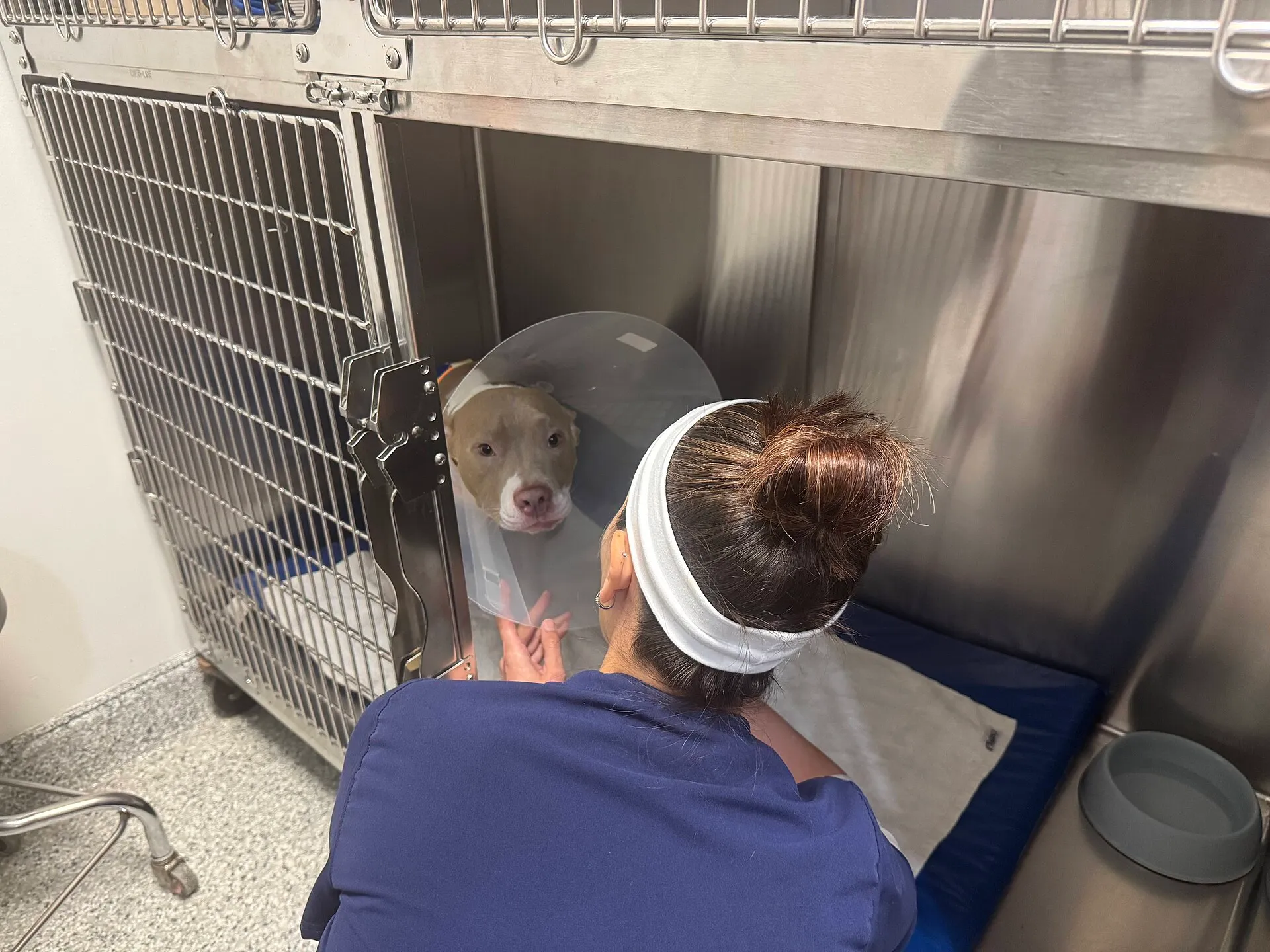
The US National Association of Insurance Commissioners (NAIC) lists the kinds of care policies typically cover: accidents, illnesses, surgery, X-rays, prescriptions, hospital stays, emergencies and cancer treatment. It also lists what is commonly excluded: preventive care, routine dental work, behavioural treatment, elective procedures and, on some policies, breed-specific hereditary conditions.
So the question is not “will I claim?” Most dogs will need something at some point. The question is “if a big bill landed next month, what would I do?”
How big can a dog’s vet bill get?
Larger than most new owners expect. A few reference points from consumer bodies and regulators:
- UK: Which? gives the example of hip dysplasia needing both hips replaced at around £7,000.
- UK claims data: Insurers paid out a record £1.23 billion on pet claims in 2024 across 1.8 million claims, £933 million of it for dogs, according to Association of British Insurers (ABI) figures. The ABI put the average claim at £685 (all pets), but averages hide the long tail of very large bills.
- UK vet prices: The Competition and Markets Authority’s 2026 review of the vet market found that fewer than half of owners got pricing information before recent non-routine treatment, and that many could save £200 a year or more on long-term medication by buying elsewhere. Treatment costs, in other words, are often a surprise.
- Australia: CHOICE’s buying guide (last updated in 2021) notes that many policies set separate sub-limits for tick paralysis, dental illness and cruciate ligament injury. That tells you which claims insurers see often enough to cap.
For US and Canadian prices, check local vets directly. Costs vary widely between cities and between general practices and specialist or emergency hospitals.
What dogs are typically claimed for
Most claims are not dramatic. Consumer NZ, citing 2023 claims data from one New Zealand insurer, listed the most common dog claims as skin and ear problems, stomach upsets, eating objects or poison, limb injuries, allergic reactions and eye infections.
That mix is useful to think about in two ways:
- Small, frequent claims (ear infections, upset stomachs) may sit below or just above your excess or deductible. Insurance does little for these.
- Rare, large claims (foreign body surgery, poisoning that needs hospital care, orthopaedic surgery) are where a policy pays for itself several times over.
Chronic conditions such as skin allergies sit in the middle. A single visit is cheap, but years of medication and repeat appointments add up, which is where the type of policy matters a great deal.
Who benefits most from pet insurance
Insurance tends to make the most sense if one or more of these describes you:
- You have less than a few thousand set aside for vet bills and would struggle to borrow it quickly.
- You have a young dog with no medical history yet. Insuring early means fewer exclusions later, because anything diagnosed before the policy starts is usually excluded.
- Your breed has known health risks. Pedigree dogs are usually more expensive to insure than crossbreeds, according to Which?, partly because of inherited conditions. Ask your vet which problems your breed is prone to.
- You want to decide on treatment without a calculator. Some owners simply sleep better knowing a referral to a specialist is not a financial decision.
- Your dog is accident-prone. Dogs that eat anything on the pavement, or who treat every fence as a challenge, generate claims.
Who might reasonably self-insure
Self-insuring means putting money aside each month into a separate account and paying vet bills from that instead of buying a policy. Which? lists it as one option for cutting the cost of cover, with a clear warning: if a large bill arrives before you have saved enough, you could end up in debt.

Self-insuring can work if:
- You already have a dedicated fund big enough to cover a major surgery or several months of specialist treatment.
- You would genuinely leave that money untouched for the dog.
- You are comfortable with the risk of a chronic illness costing more over the dog’s life than the fund holds.
It works less well for a puppy bought last month, because the fund starts at zero just as the dog enters its most accident-prone, sock-swallowing phase.
A middle path some owners take is a cheaper accident-only policy or a high excess, combined with savings. That covers the catastrophic accident while you build a buffer for everything else.
What it costs, roughly
Premiums vary by country, breed, age, postcode or ZIP code, and the level of cover. Treat any average as a starting point only.
| Region | Published average | Source and date |
|---|---|---|
| United States | US$836 per year for dog accident and illness cover | NAPHIA, 2025 data (2026 report) |
| Canada | CA$1,176 per year for dog accident and illness cover | NAPHIA, 2025 data (2026 report) |
| United Kingdom | £11.68 per month for a dog (£13.13 for a pedigree, £7.90 for a mongrel) | Go Compare quotes, January–May 2025, reported by Which? |
The UK figures are average quotes across all policy types, not what owners actually paid, so lifetime cover for a pedigree can cost a lot more. For Australia, New Zealand and Ireland, get several quotes for your own dog rather than relying on a national average.
Premiums also tend to rise as your dog ages, and sometimes after you claim. Ireland’s Competition and Consumer Protection Commission (CCPC) notes that premiums may go up after a claim or at renewal, and that some policies make you pay part of the treatment cost once a pet reaches about five or six.
The type of policy matters more than whether you have one
A cheap policy that stops paying for a condition after 12 months can leave you worse off than you think. Broadly, you will see:
- Accident-only: the cheapest. Covers injuries, not illness.
- Time-limited (UK and Ireland): covers each condition up to a cap for a set period, usually 12 months, then excludes it.
- Maximum benefit or per-condition (UK): pays up to a set amount per condition, then stops covering it.
- Lifetime (UK and Ireland) or annual-limit accident and illness cover (US, Canada, Australia, New Zealand): the limit resets each year when you renew, so long-term conditions can keep being covered.
Which? only recommends lifetime policies in its Best Buy ratings, because they are the type that keeps covering chronic conditions. Our guide to how dog insurance works explains each type in more detail.
How to decide: a five-minute test
Answer these honestly:
- Could you pay a bill of several thousand today without borrowing? If not, insurance is probably worth it.
- How old is your dog, and what is in their vet records? Pre-existing conditions are usually excluded, so the younger and healthier your dog, the more a policy can cover. See our guide to pre-existing conditions.
- What is your breed prone to? Ask your vet. Breeds prone to joint, skin, heart or breathing problems are more likely to need long-term care.
- Would a 12-month cap help you? If the answer is “not really”, look at lifetime or annual-limit cover instead.
- Can you afford the premium every year as it rises? A policy you cancel at age nine, when your dog is most likely to need it, is a policy that mostly paid for itself to the insurer.
If you land on “yes, I want cover”, the NAIC suggests comparing benefits, deductibles, limits and exclusions across several insurers, and reading the full terms before you buy. If you land on “no”, set up the savings account today, not after the first emergency.
See a vet now if: your dog has eaten something toxic or a foreign object, is struggling to breathe, has a swollen or hard belly, collapses, or has been hit by a car. Do not wait to check what your policy covers. Get to a vet first and sort out the paperwork afterwards.
If you cannot afford insurance or a big bill
You still have options. In the UK, charities such as PDSA, Blue Cross and the RSPCA offer means-tested help, as Which? points out. Many vets offer payment plans if you ask before treatment starts. The NAIC also notes that some US vets offer wellness plans for routine care, and that discount plans exist, though neither is a substitute for insurance against a large bill.
Ask your vet for a written estimate before non-urgent treatment. In the UK, the CMA’s legally binding order, made in September 2026, will require a written estimate where treatment is likely to cost £500 or more, from late September 2027.
The bottom line
Pet insurance is a hedge against the big bill, not a way to save money on average. If a sudden surgery would force a hard choice, a good policy taken out while your dog is young and healthy is usually worth the premium. If you already hold a solid dedicated fund, self-insuring is a reasonable call. Whichever you choose, decide before you need to, because the first diagnosis changes what any insurer will offer.
Questions owners ask
Is pet insurance worth it for a mixed-breed dog?
Often yes, if a sudden bill of a few thousand would be hard to pay. Crossbreeds are usually cheaper to insure than pedigrees, but they still swallow socks, tear knee ligaments and get cancer.
Is it worth insuring an older dog?
It can be, but expect higher premiums, co-payments that can reach 25% for dogs over about eight in the UK, and exclusions for anything already in the vet records. Compare carefully and read the exclusions before buying.
Can I just put the premium into a savings account instead?
Yes, and some owners do. The weak spot is timing: if your dog needs expensive treatment before the fund has grown, you pay the gap yourself.
Does pet insurance cover vaccinations and check-ups?
Standard accident and illness policies generally do not. Routine care is either excluded or sold as a separate wellness plan or add-on, which is not the same thing as insurance.
Sources
- NAIC: Pet Insurance: It Could Save Your Pet's Life, Could Save You Money
- Which?: Pet insurance explained
- Which?: Pet insurance prices drop, but breed and postcode make a big difference (July 2025)
- Insurance Times: Pet insurance payouts top £1bn for third consecutive year (ABI data, May 2025)
- NAPHIA: 2026 State of the Industry Report highlights (2025 data)
- CMA: CMA concludes market investigation with major reforms to veterinary sector (March 2026)
- GOV.UK: What veterinary businesses and vets need to do following the CMA's final vets report
- CHOICE: Do you need pet insurance? (last updated October 2021)
- Consumer NZ: Is it worth buying pet insurance?
- CCPC Ireland: Pet insurance
This guide is general information, not a substitute for advice from a vet who has examined your dog. Every claim is checked against the sources above. How we research and fact-check. Spotted an error? Tell us.