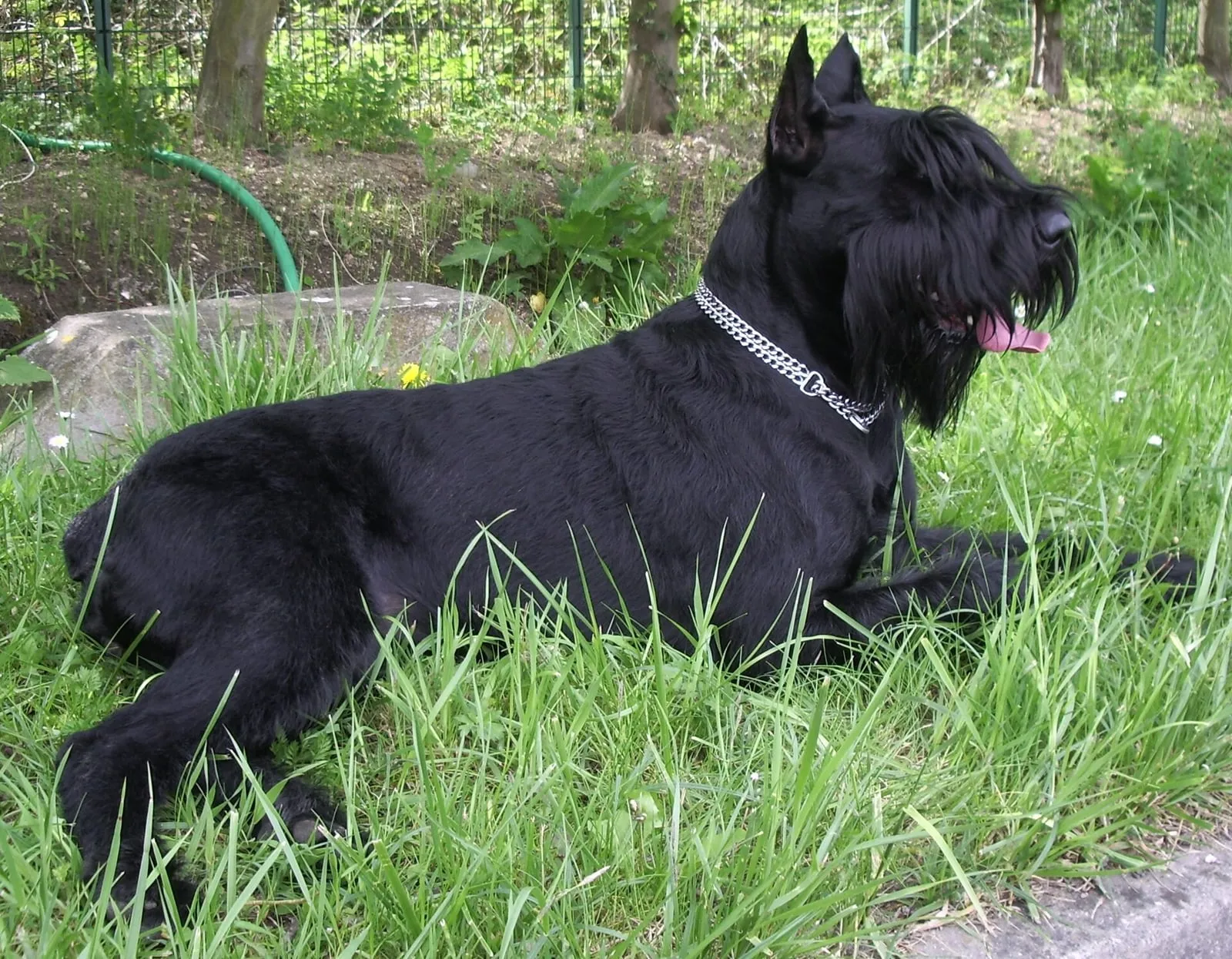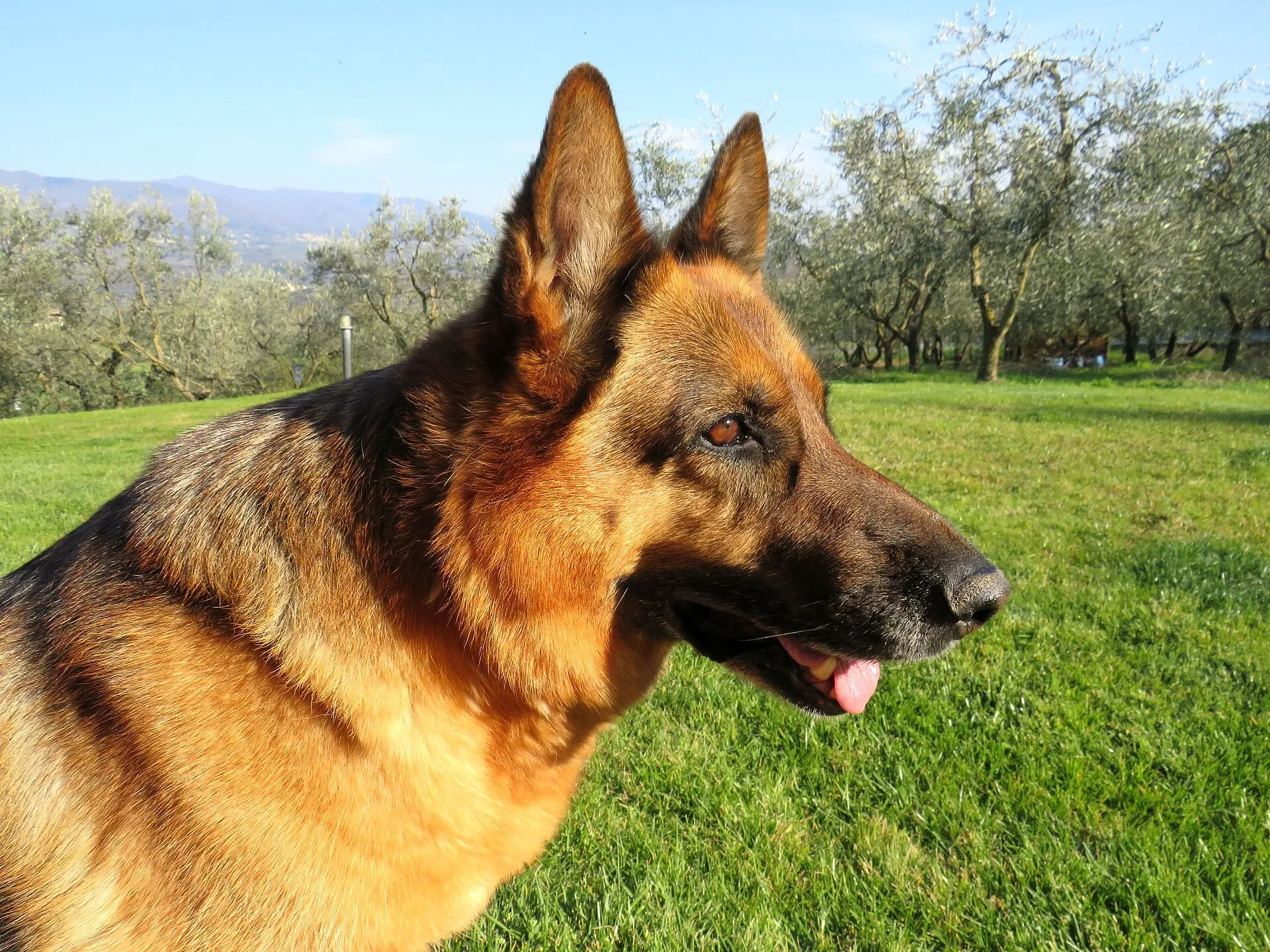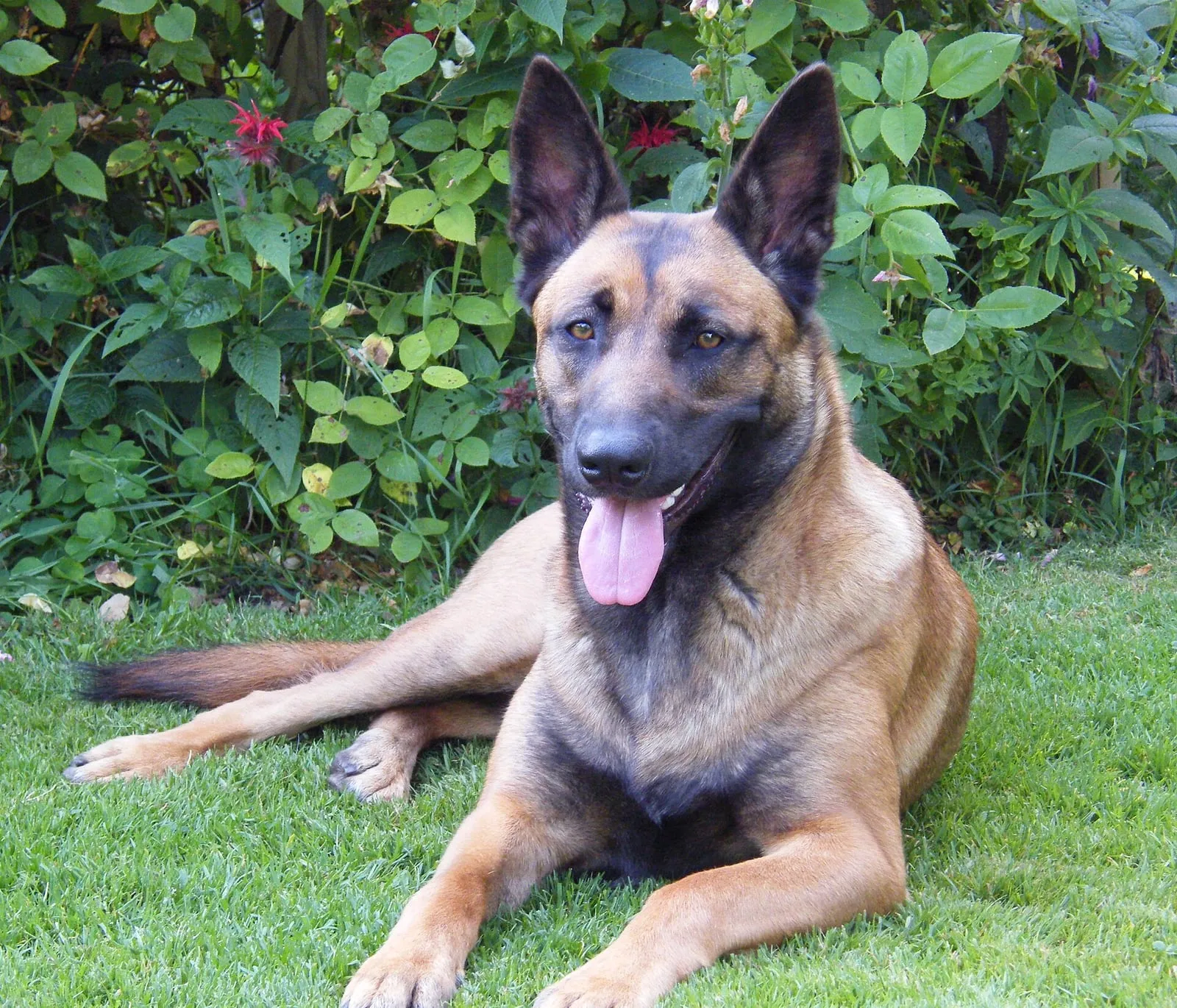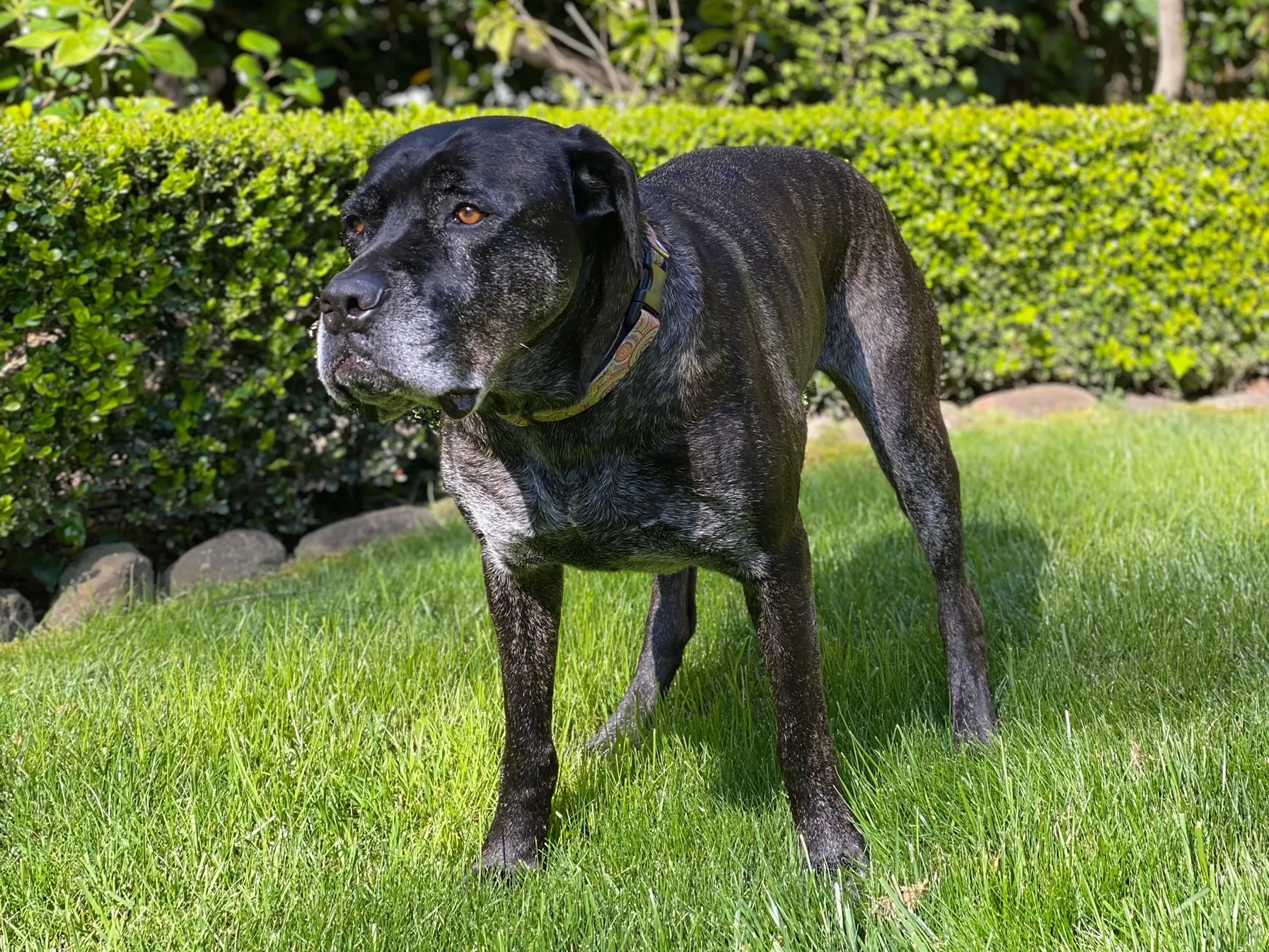
Temperament
Loyal, Protective, Calm, Intelligent.
Health problems to know about
- Hip dysplasia
- Bloat (GDV)
- Entropion and ectropion
- Idiopathic epilepsy
- Demodectic mange
Ask breeders for the parents' health test results, and check what your national breed club recommends screening for.
Daily care
An hour or more of structured exercise a day, plus regular training. Weekly brushing, more during seasonal sheds. Feed two meals a day and avoid hard exercise for two hours after eating to cut bloat risk.
A good fit for
Experienced owners with time to train and socialise, and a secure home with a well-fenced garden.
Probably not ideal for
First-time owners, flats, homes with a steady stream of unfamiliar visitors, and anyone who could not hold 45 kg (100 lb) of dog on a lead.
Popularity: AKC 2025 registration rankings (US); Royal Kennel Club 2025 registrations (UK, ranked by us). Breed traits are tendencies, not guarantees. Individual dogs vary, and mixed breeds and rescues can be wonderful fits too.