The short answer
- Budget per knee: published 2026 TPLO packages run from about £2,070 to £6,250 in the UK and A$5,400 to A$6,800 in Australia, and older US figures sit around $3,300 to $5,400.
- Ask exactly what a quote includes, because X-rays, the first consultation, physiotherapy and rechecks are often priced separately.
- Plan for the second knee: up to half of dogs with cruciate disease in one knee develop it in the other, often within 12 to 18 months.
- Read how your policy treats cruciate ligaments as a bilateral condition, since an injury before cover can exclude both knees.
- Buy cover early, because some insurers add a six-month waiting period for cruciate problems.
Cruciate (ACL) surgery for a dog usually costs the price of a decent second-hand car, per knee. Published 2026 prices for TPLO, the most common operation, run from about £2,070 to £6,250 in the UK and A$5,400 to A$6,800 in Australia, while the best US figures available put it at roughly $3,300 to $5,400 per knee. Up to half of dogs go on to need the other knee done too, which is why the way your insurer handles “bilateral” conditions matters as much as the price.
The ligament vets call the cranial cruciate ligament is the dog version of the human ACL. In dogs it usually wears out slowly rather than snapping in one dramatic moment, which affects both the bill and the insurance claim.
Cruciate surgery costs by country (2026)
Prices below are the clinics’ own published figures. Most are fixed-price packages from referral hospitals or vet schools, so a quote from your local practice may be lower or higher.
| Country | Provider and what’s quoted | Price per knee |
|---|---|---|
| UK | Animal Trust (not-for-profit), fixed TPLO price | £2,070, plus £430 if X-rays weren’t done at Animal Trust |
| UK | University of Edinburgh Hospital for Small Animals, fixed TPLO package for all weights (March 2026) | £4,000 |
| UK | Fitzpatrick Referrals, TPLO package | £4,750 under 45 kg (99 lb); £5,250 over 45 kg |
| UK | Langford Vets, University of Bristol (prices as at 1 May 2026) | £4,900 under 10 kg (22 lb) to £6,250 over 65 kg (143 lb) |
| Australia | Lort Smith, Melbourne (TPLO or similar osteotomy, 1–50 kg) | A$5,400 |
| Australia | SASH, NSW (TPLO package, valid to 31 December 2026) | A$6,800 incl. GST |
| US | Virginia-Maryland vet school teaching hospital, estimate in a 2021 study form | $3,300–4,200 |
| US | Trupanion claims data (2017) | Average about $3,800; can exceed $5,000 |
We could not find a current, itemised US price list from a vet school or specialist hospital, so the US figures are older than the rest. Vet prices have risen since 2021, so treat them as a floor rather than a ceiling. For Canada, Ireland and the rest of Europe we found no published package prices worth quoting; ask two or three local surgeons for written estimates.
Weight matters in some price lists and not others. Edinburgh and Animal Trust charge one price whatever the dog weighs, while Langford and Fitzpatrick charge more for very large dogs.
What a quote does (and doesn’t) include
Two quotes that look £1,500 apart can end up close once you add the extras. The packages above differ a lot:
- Fitzpatrick includes the first consultation, one night in hospital, X-rays, anaesthesia, implants, a physiotherapy assessment, two weeks of medication and the recheck.
- Edinburgh includes the consultation, X-rays before and after surgery, anaesthesia, implants, hospital stay and pain relief.
- Animal Trust adds £430 if your dog hasn’t already had X-rays there.
- Lort Smith includes the procedure, 24 hours in hospital and take-home medication, but diagnostic tests are extra.
- SASH includes up to two days in hospital, X-rays, medication, a rehabilitation programme and the first recheck.
Things that commonly sit outside the package: the referral consultation itself (Fitzpatrick lists £350 for an initial orthopaedic consult), sedation for later X-rays, physiotherapy or hydrotherapy (Langford’s physio bundles run £210 to £650), and treatment for complications. Before you sign, ask for the estimate in writing with each of those lines shown.
Which dogs get cruciate disease
The American College of Veterinary Surgeons (ACVS) lists the Rottweiler, Newfoundland, Staffordshire Terrier, Mastiff, Akita, Saint Bernard, Chesapeake Bay Retriever and Labrador Retriever among the breeds with a higher rate of the condition, and names the Greyhound, Dachshund, Basset Hound and Old English Sheepdog as less often affected. A genetic pattern of inheritance has been shown in Newfoundlands and Labrador Retrievers.
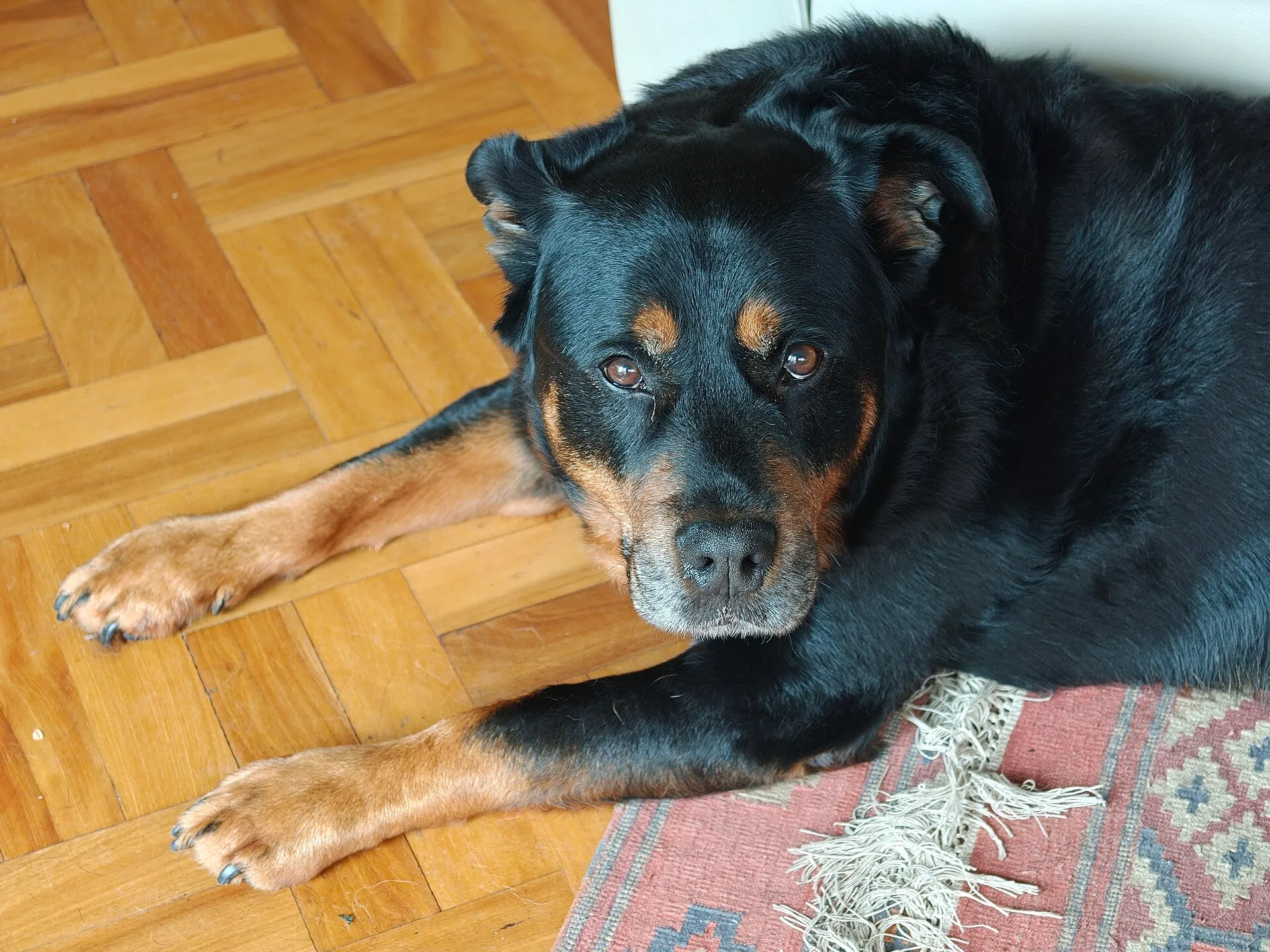
Two risk factors are in your hands: excess weight and poor fitness. The ACVS recommends steady exercise and keeping your dog lean. If you aren’t sure where your dog sits, our guide to checking body condition score takes five minutes.
Signs to watch for include difficulty getting up from a sit, sitting with one back leg kicked out to the side, reluctance to jump into the car, and a limp that is worst after rest. A clicking noise from the knee can point to a torn meniscus as well.
TPLO, TTA or lateral suture: why the price differs
There is no way to replace the ligament in dogs the way surgeons do in people. Instead, the operations either change the shape of the shin bone so the knee stays stable without the ligament, or use a strong suture to do the ligament’s job while scar tissue forms.
- TPLO (tibial plateau levelling osteotomy): a curved cut at the top of the shin bone, rotated and fixed with a plate and screws. It is the most commonly performed cruciate operation at Animal Trust and the default choice for many surgeons with large, active dogs.
- TTA (tibial tuberosity advancement): a straight cut along the front of the shin, moved forward and held with a wedge, plate and screws. Like TPLO, it needs weeks of confinement while the bone heals.
- CBLO and CCWO: other bone-cutting techniques. Lort Smith prices TPLO, CBLO and CCWO the same.
- Lateral (extracapsular) suture and TightRope: heavy suture or a suture-and-toggle implant placed outside the joint. The ACVS says these are often less costly, but may not be the best choice for larger and younger dogs because arthritis tends to develop.
We could not find published package prices for lateral suture or TTA from a hospital we’d trust, so we haven’t quoted any. If you’re offered suture repair, ask how the price, expected outcome and failure rate compare with TPLO for a dog of your dog’s size.
Recovery: the costs after the operation
Most dogs need about 12 weeks of restricted exercise and controlled rehabilitation after TPLO, according to Animal Trust. Edinburgh’s surgeons say most dogs are comfortable enough to stand and walk on the leg within 24 hours, and that over 90% go back to a very active life without ongoing pain relief.
The ACVS reports significant improvement in 85–90% of dogs after surgery. It also notes that rehabilitation started straight after surgery can speed recovery whichever technique is used.
Budget for these as well:
- Recheck visits and sedated X-rays to confirm the bone has healed (the Virginia-Maryland study valued its 12-week recheck with X-rays at $250–350)
- Physiotherapy or hydrotherapy sessions
- A crate or pen, non-slip rugs and a support sling for the first weeks
- Treatment for complications. The ACVS lists infection, implant problems, fracture, meniscal tears and continued lameness.
Meniscal damage deserves its own line. Animal Trust says about half of dogs have a meniscal injury at the same time as the cruciate tear, and some develop a “late meniscal injury” during recovery that needs another operation.
The second knee: plan for it now
This is the part most cost guides skip. The ACVS says up to 50% of dogs with cruciate disease in one knee develop the same problem in the other, usually within 12 to 18 months of diagnosis. Because the disease is mostly slow degeneration, not a one-off sports injury, the other knee is often already ageing the same way.
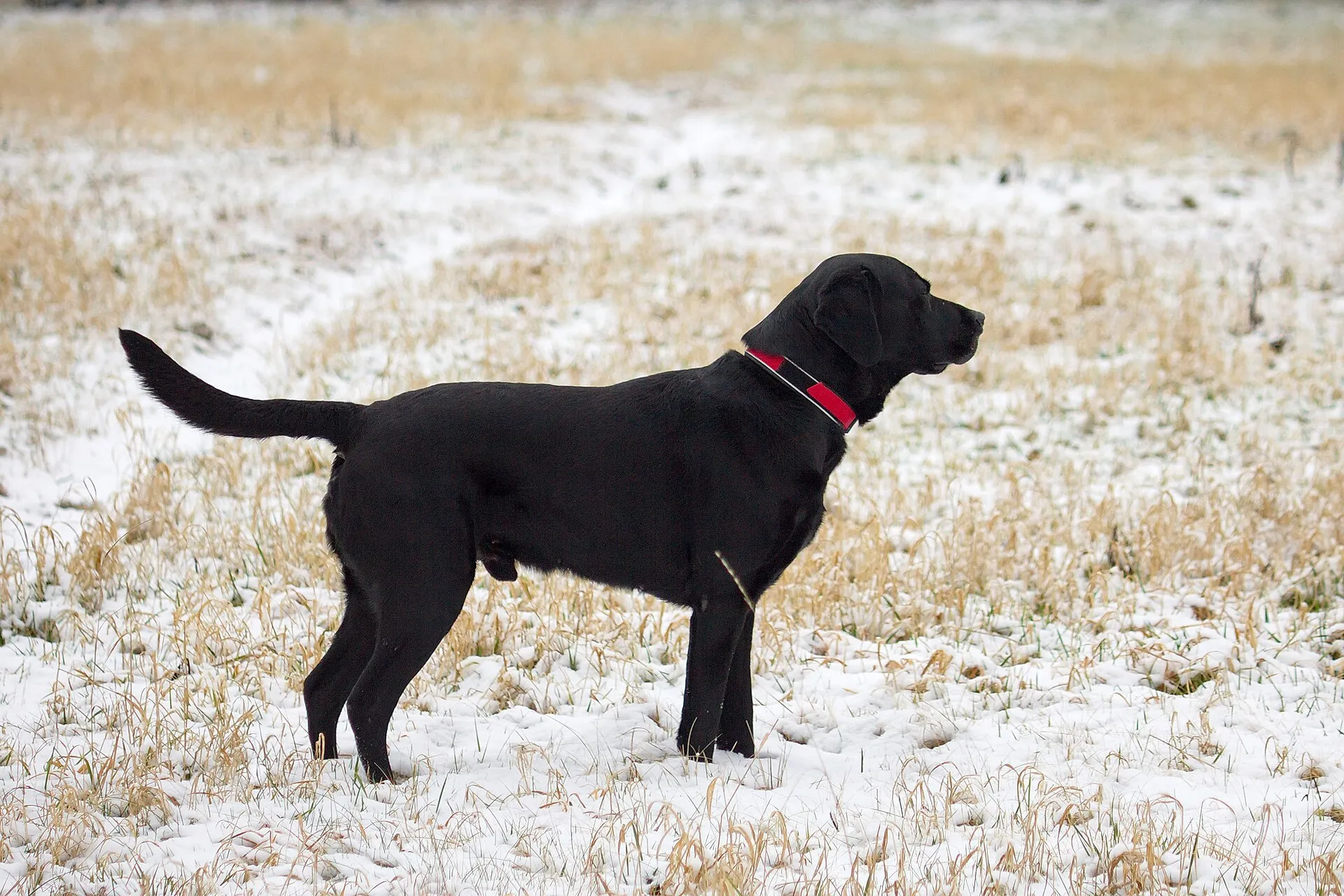
For a Labrador, that can double the bill. Langford’s bilateral TPLO, with both knees done in one session, costs £7,650 to £9,300 depending on weight, and Fitzpatrick’s is £7,750. That is cheaper than two separate operations, but not every dog suits it. Trupanion’s 2019 breed sheets put the average annual cost of cruciate rupture between $2,200 and $3,600 for Cocker Spaniels and $4,300 to $5,400 for Bernese Mountain Dogs, with Labradors at $3,600 to $4,500.
How insurers treat cruciate claims, including both knees
A cruciate claim is usually paid if the first sign of trouble in either knee appeared after cover started and after any waiting period. Three parts of the policy decide the rest: the bilateral clause, the waiting periods and the limits.
Bilateral condition clauses
Many policies say a problem affecting body parts your dog has two of, such as knees, counts as one condition. That has two effects. It can put both knees under one benefit limit, and it can mean that if one knee had any signs before the policy started, the other knee is excluded too.
AKC Pet Insurance’s California disclosure is a clear US example: it says ligament and knee conditions “are bilateral and related, regardless of cause”, so an occurrence on one side affects both sides. Knee and ligament treatment is excluded on its accident-only policy, and on accident and illness cover if there was an occurrence before enrolment or during a waiting period.
In Australia, CHOICE’s June 2026 review criticised one policy because an injury to one knee in a previous year meant the opposite knee was also excluded. It also flagged a basic accident-only plan that does not cover cruciate injury at all.
What happens when owners challenge it (UK)
The UK’s Financial Ombudsman Service has pushed back on blanket bilateral exclusions. In decision DRN-4314488, an insurer declined a claim for a dog’s right knee because the left had been operated on about 19 months earlier. The ombudsman upheld the owner’s complaint because the vet records showed no link between the two at the time.
In DRN-4097143 (2023), the policy wording did say cruciate ligaments were one bilateral condition, and the ombudsman agreed a strict reading supported the insurer. It still found the decline unfair, stating its general approach: unless there’s evidence the new problem is causally linked to the earlier one, it isn’t reasonable to decline only because the condition is bilateral. In that case seven years separated the two knees.
These decisions turn on their facts and apply to UK regulated insurers only. They are a reason to complain if you think a decline is unfair, not a guarantee.
Waiting periods for cruciate problems
Some insurers add a longer waiting period for knees. Pet Insurance Australia, for example, lists 2 days for accidents, 30 days for illness and 6 months for cruciate ligament conditions. A limp that starts in that window will usually be treated as pre-existing. Our explainer on pet insurance waiting periods covers how these work by country, and the guide to pre-existing conditions explains how “signs” before cover are judged.
What you’d pay with cover: a worked example
Using invented round numbers: a 5,000 TPLO bill on a policy with a 250 excess and 80% reimbursement means the insurer pays 80% of 4,750, which is 3,800. You pay 1,200. If the policy has a separate cruciate sub-limit or a per-condition cap that both knees share, the second knee may only get what’s left. Check the schedule of benefits for the insurance you’re considering.
Ways to bring the cost down
- Get more than one quote. UK prices in this article range threefold for the same operation.
- Ask about fixed-price packages. Several UK and Australian hospitals now publish them, which removes surprise extras.
- Ask about vet school clinical trials. The 2021 Virginia-Maryland study covered the cost of the 12-week recheck for enrolled dogs.
- Keep your dog lean. It lowers the risk for both knees and makes recovery easier.
- Ask about payment plans. Many referral hospitals, including Fitzpatrick, offer them.
The bottom line
A single TPLO costs roughly £2,000 to £6,250 in the UK, A$5,400 to A$6,800 in Australia and at least $3,300 to $5,400 in the US, before extras such as rechecks and physio. Because up to half of affected dogs need the other knee done later, it makes sense to budget for two operations rather than one. If your dog is insured, read how the policy treats bilateral conditions and cruciate waiting periods before you need it, and ask for any decline in writing. Insurance bought before any sign of a limp is what makes the second knee affordable.
Questions owners ask
Is TPLO worth the cost compared with cheaper surgery?
For large, active dogs, many surgeons prefer TPLO or other bone-cutting procedures because outcomes are consistent. The American College of Veterinary Surgeons notes that suture techniques are often less costly but may not suit larger and younger dogs. Ask your surgeon which method fits your dog's size, age and lifestyle.
Can a dog recover from a torn cruciate without surgery?
Some dogs, especially small or less active ones, improve with strict rest, pain relief, weight loss and rehabilitation. The ACVS says surgery is the only way to permanently control the knee's instability, and that conservative care leaves the knee prone to reinjury. Your vet can help you weigh the options.
Does pet insurance pay for cruciate surgery on both knees?
Usually, if the first knee problem started after your cover began and after any waiting period. If either knee showed signs before then, many policies exclude both knees because they treat cruciate disease as a bilateral condition.
How long is recovery after TPLO?
Most dogs need around 12 weeks of restricted, controlled exercise while the bone heals, according to Animal Trust. Many dogs stand and walk on the leg within 24 hours, but running, jumping and off-lead play have to wait until your vet clears them.
Why is a bilateral TPLO cheaper than two separate operations?
Doing both knees in one session shares the anaesthetic, hospital stay and imaging. Fitzpatrick Referrals lists bilateral TPLO at £7,750 against £4,750 for one knee in a dog under 45 kg (99 lb). Not every dog is a good candidate, so ask the surgeon.
Sources
- American College of Veterinary Surgeons: Cranial Cruciate Ligament Disease
- Langford Vets (University of Bristol): Orthopaedic Price Guide, prices as at 1 May 2026
- Royal (Dick) School of Veterinary Studies, Edinburgh: New TPLO package brings cost clarity (March 2026)
- Fitzpatrick Referrals: Price guide
- Animal Trust: TPLO Surgery for Cruciate Disease in Dogs
- Virginia-Maryland College of Veterinary Medicine: TPLO clinical study client consent form (2021)
- Trupanion: Cranial Cruciate Ligament Tear, the Common Claim You've Never Heard About (2017)
- Trupanion: Commonly Claimed Conditions by breed (2019)
- SASH Vets: Fixed Price Orthopaedic Surgery (NSW, valid to 31 December 2026)
- Lort Smith: Fees
- AKC Pet Insurance: California Insurer Disclosure of Important Policy Provisions
- Financial Ombudsman Service: Decision DRN-4314488 (cruciate claim, bilateral exclusion)
- Financial Ombudsman Service: Decision DRN-4097143 (cruciate claim, bilateral exclusion)
- Pet Insurance Australia: Waiting periods
- CHOICE: Pet insurance policies to avoid (updated June 2026)
This guide is general information, not a substitute for advice from a vet who has examined your dog. Every claim is checked against the sources above. How we research and fact-check. Spotted an error? Tell us.