The short answer
- Get a vet check first, because pain lowers the threshold for fear and aggression and is common in dogs referred for behaviour problems.
- Work at a distance where your dog notices the trigger but stays calm enough to eat, and pair every sighting with a high-value treat.
- Cut down the bad encounters while you train by walking at quiet times and places and turning away early.
- Skip leash jerks, shock collars and scolding, which can make fearful dogs more fearful.
- Choose a qualified behaviour professional who uses reward-based methods, and start with your vet if your dog has bitten or the problem is getting worse.
A dog that barks, lunges, growls or spins on the lead at other dogs, people, bikes or cars is usually afraid or frustrated, not “naughty” or trying to dominate you. The fix is to keep your dog at a distance where it can cope, teach it that the trigger predicts something good, and manage walks so it rehearses the outbursts less. Progress usually takes weeks to months of patient, reward-based work, and a qualified behaviour professional can help.
What “reactive” actually means
“Reactive” isn’t a medical diagnosis. It is the word owners and trainers use for a dog that overreacts to a particular trigger, most often other dogs on walks. ASPCApro describes two main reasons behind the same barking and lunging:
- Fear. The dog had a bad experience or missed out on early socialisation, and barking and lunging make the scary thing go away.
- Frustration. The dog likes other dogs, wants to greet them and is held back by the lead.
Fear is common. In a 2020 survey of 13,700 Finnish pet dogs, 17% of owners reported fear of other dogs and 15% fear of strangers. Aggression of some kind was reported in 14%, and aggressive dogs were 3.2 times more likely to be fearful, which led the authors to conclude that aggression is often driven by fear. The Merck Veterinary Manual says the same thing: fear is the most common motivation for aggression in dogs, and the aim of the display is to increase distance from the threat.
That is useful to know, because it tells you what will help. A frightened dog needs to feel safer, not to be corrected.
Rule out pain first
Before you start a training plan, book a vet check. Merck advises ruling out pain or discomfort first, because they lower the threshold for fear and aggression. A 2020 review by veterinary behaviourists estimated, conservatively, that around a third of dogs referred to them for behaviour problems had a painful condition, and in some caseloads the figure was close to 80%. Joint, gut and skin problems were the most common.
A dog with sore hips that snaps at a bouncy young dog is not being difficult. Treating the pain won’t always undo the learned fear, but training an uncomfortable dog is an uphill battle. Our guide to signs your dog is in pain covers the subtle clues.
Why the lead makes it worse
On a lead, your dog can’t simply move away from something that worries it, and that’s the option fearful dogs rely on. ASPCApro notes that head-on approaches on a tight lead, combined with a handler who tenses up or jerks the lead, raise the stress of both dogs and make outbursts more likely.
Many owners also start bracing as soon as they spot a dog in the distance, and dogs read that tension well. If your dog is relaxed with other dogs off the lead but explodes on it, frustration at being held back may be a big part of the picture.
Finding your dog’s threshold
The threshold is the point at which your dog stops coping. Below it, your dog can notice another dog, look at it and still respond to you and take food. Above it, the barking, lunging and deaf ears arrive.
Distance is the easiest dial to turn. Merck describes desensitisation as reducing the intensity of the trigger, for example by increasing the distance, to a level that doesn’t cause fear. ASPCApro gives a useful warning sign: if your dog starts snatching food or catching your fingers with its teeth, it is too aroused, and you need more distance.
Write down what sets your dog off and roughly how far away the trigger was. A dog that copes at 30 metres (about 100 feet) but explodes at 10 metres (about 33 feet) gives you a starting point.
A step-by-step training plan
This plan combines desensitisation (gradual exposure below threshold) and counter-conditioning (pairing the trigger with something your dog loves). Merck notes that the two work best together, take time, and that rushing provokes anxiety and undoes progress.

- Pick your currency. Use small, soft, very tasty food such as bits of chicken or cheese, as ASPCApro suggests. Dry biscuits rarely compete with another dog.
- Start at a safe distance. Choose a spot where triggers appear but stay far off, such as the edge of a park or a path where other dogs are on leads and can’t rush over.
- Sight means food. The moment your dog notices the trigger, start feeding small treats in quick succession. When the trigger leaves, the food stops. Your dog should learn that other dogs switch the treats on.
- Use a helper if you can. ASPCApro recommends sessions with a calm friend’s dog that appears and disappears on cue, with breaks between sightings. This gives you control that a busy street can’t.
- Watch for the turn-back. Progress looks like your dog seeing the other dog and then looking at you for the treat. That is the moment to praise.
- Close the gap slowly. Move a little closer only when your dog is relaxed at the current distance. Merck suggests varying the difficulty rather than making every session harder than the last, and ASPCApro’s advice is to go slower than you think you need to.
- Expect wobbles. Merck notes that after a gap in training, an old fear can briefly come back, and a trigger that is too intense can make a dog more fearful. A bad day means you go back a step, not back to the start.
The research base is real but modest. In a 2019 trial of dogs afraid of the vet, a four-week desensitisation and counter-conditioning programme lowered fear scores at the second examination, and 86.7% of owners in the training group reported less fear. It also found that 44% of the motivated volunteer owners didn’t stick to the programme, which tells you the hard part is consistency.
Manage every walk while you train
Every full-blown outburst is a rehearsal, so the aim between training sessions is to avoid them. Merck’s treatment guidance stresses meeting the dog’s needs, avoiding triggers and preventing rehearsal of the problem behaviour, using distance and visual barriers.
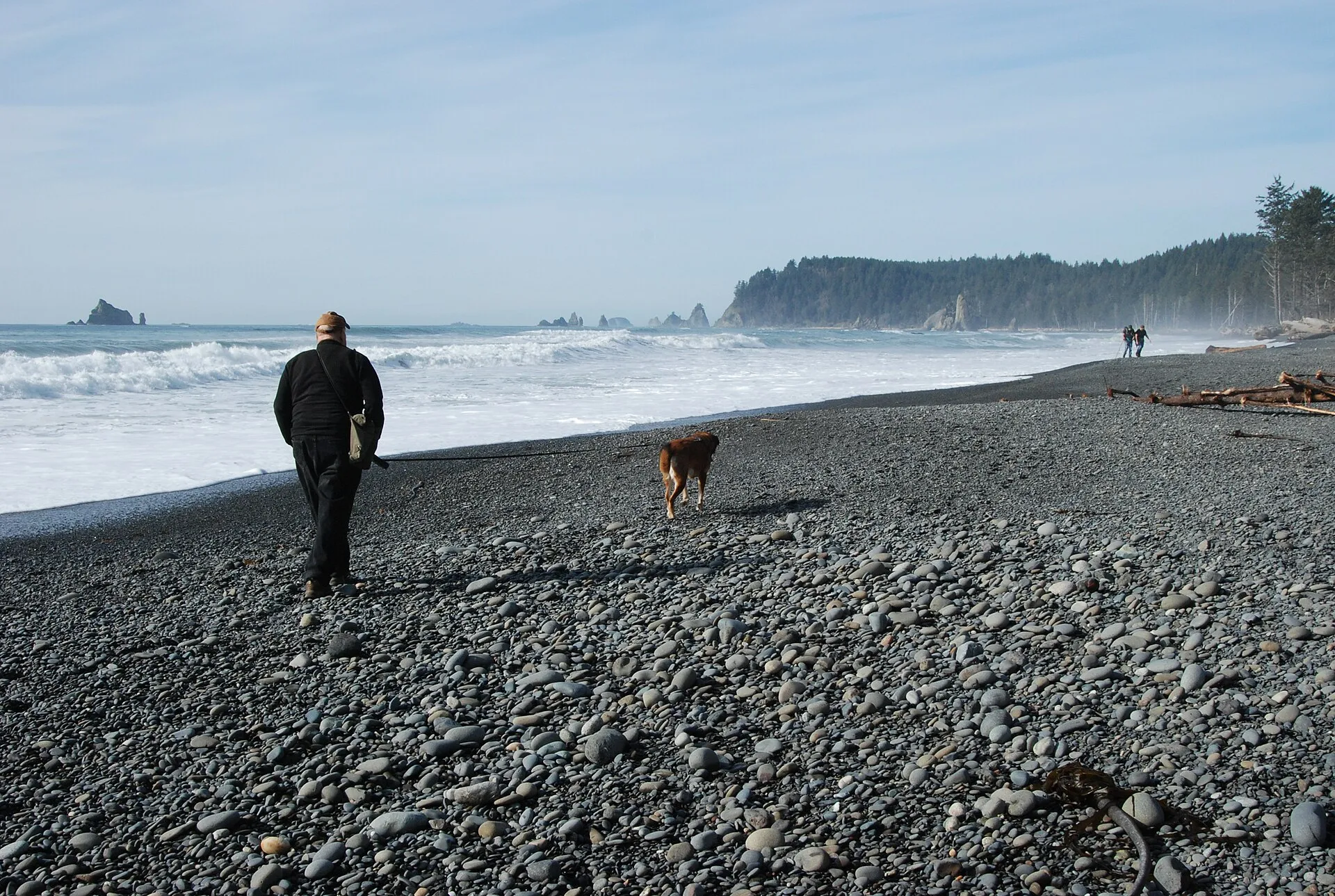
Practical ways to do that, drawn from ASPCApro:
- Walk at quiet times and in quieter places, even if that means driving somewhere
- Cross the road, step behind parked cars or turn around early when you see a trigger coming
- Never let other dogs run up to yours, and say so politely but firmly to other owners
- Keep the lead loose where you can, and avoid head-on approaches on narrow paths
- If you use a head halter for steering, introduce it gradually with rewards; ASPCApro calls it a management tool, not a substitute for training
If your dog might bite, or triggers can’t always be avoided, Merck recommends a basket muzzle. Introduce it gradually with treats so your dog is happy to wear it, and choose a basket design it can pant and take food through.
Give your dog walks that don’t involve triggers
ASPCApro notes that a lack of exercise can make reactivity worse, so cutting walks altogether isn’t the answer. The trick is to change where and how your dog gets them.
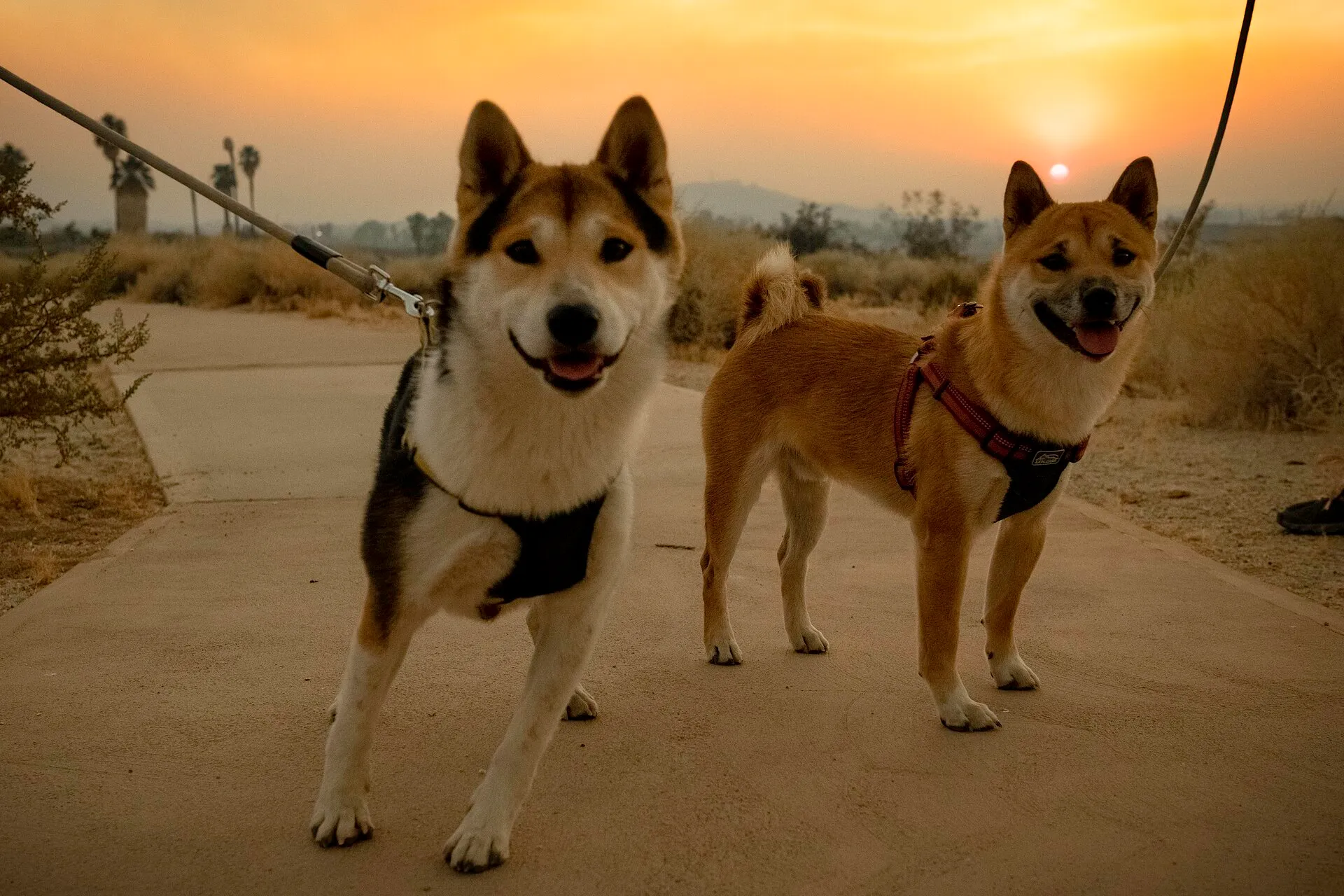
Quiet fields at off-peak hours, a long line in an empty space, scent games in the garden and puzzle feeders all meet a dog’s needs without a stream of stressful encounters. Our guide to how much exercise a dog needs has breed-by-breed pointers. If your dog also pulls hard, the lead-pulling guide covers reward-based loose-lead walking.
What not to do
- Don’t punish the outburst. Merck warns that positive punishment, such as scolding or jerking, can create fear of whatever it is paired with, provoke defensive aggression and cannot teach the dog what to do instead.
- Don’t flood. Merck says flooding, keeping a dog exposed to the feared trigger until it gives up, is seldom effective, raises welfare concerns and can make the behaviour worse.
- Be wary of “balanced” trainers. Purdue University’s guidance advises avoiding trainers who use shock collars, leash jerks or hitting, or who talk about dominance or pack leadership.
The welfare evidence supports this. In a 2020 study of 92 dogs from seven training schools in Portugal, dogs from schools that used mainly aversive methods showed far more stress behaviours during training and larger rises in the stress hormone cortisol. They also behaved more “pessimistically” in a test outside training. The study wasn’t randomised, so it can’t prove cause, but it points the same way as Merck and Purdue.
Finding qualified help
Get professional help if your dog has bitten a person or another animal, if things are getting worse, or if you aren’t making progress after several weeks. ASPCApro recommends a qualified behaviour professional for dogs that remain reactive or have bitten. Behaviour titles are confusing, and in many places anyone can call themselves a behaviourist.
- United States. Purdue lists board-certified veterinary behaviourists (DACVB), Certified Applied Animal Behaviorists (CAAB), certified behaviour consultants (IAABC’s CDBC, CCPDT’s CCBC-KA) and certified trainers (CPDT-KA, CPDT-KSA, IAABC-ADT). It notes that behaviour consultants are not regulated, so ask about education, methods and references.
- United Kingdom. The Animal Behaviour and Training Council (ABTC) keeps a register of assessed practitioners, including Clinical Animal Behaviourists, Veterinary Behaviourists and Animal Training Instructors, searchable through its directory.
- Australia and New Zealand. The ANZCVS Veterinary Behaviour Chapter publishes a list of behavioural vets.
- Elsewhere. Ask your vet for a referral, and look for someone who uses reward-based methods and will liaise with your vet.
Only a vet can prescribe behaviour medication. Merck explains that medication can lower anxiety and make a dog more able to learn, but it doesn’t create new learning on its own. Use it only under your vet’s direction, alongside a training plan.
The bottom line
Reactivity on walks is usually fear or frustration, and it improves when your dog feels safe enough to learn. Start with a vet check, then train at a distance your dog can cope with, pairing every sighting with great food, and protect your dog from rehearsing outbursts in between. Punishment and flooding tend to backfire. If your dog has bitten, or you’re stuck, a qualified behaviour professional is money well spent.
Questions owners ask
Will my reactive dog ever be normal?
Many reactive dogs improve a lot, but progress is slow and uneven, and some will always need more space than other dogs. A realistic goal is a dog that can see a trigger, look back at you and carry on walking.
Should I let my reactive dog meet other dogs to socialise it?
Not while it is reacting. Letting other dogs rush up, or pushing your dog closer, can make fear worse. Controlled sessions at a distance, ideally with a calm helper dog, work better.
Is it fear or frustration?
It can be either, and the behaviour looks similar. Fearful dogs bark and lunge to make the other dog go away; frustrated dogs want to greet and can't. The training plan is broadly the same, and a behaviour professional can help you tell them apart.
Can medication help a reactive dog?
Sometimes. Vets and veterinary behaviourists may prescribe medication to lower anxiety so the dog can learn, but it supports training rather than replacing it. Only use behaviour medication under your vet's direction.
Should my reactive dog wear a muzzle?
A well-fitted basket muzzle, introduced gradually with treats, is a sensible safety tool if your dog might bite or you can't always avoid triggers. A basket design lets the dog pant, drink and take treats.
Sources
- Merck Veterinary Manual: Behavior Problems of Dogs
- Merck Veterinary Manual: Treatment of Behavior Problems in Animals
- ASPCApro: Managing and Training Leash-Reactive Dogs
- Salonen M, Sulkama S, Mikkola S et al. (2020), Scientific Reports: Prevalence, comorbidity, and breed differences in canine anxiety in 13,700 Finnish pet dogs
- Mills DS, Demontigny-Bédard I, Gruen M et al. (2020), Animals: Pain and Problem Behavior in Cats and Dogs
- Vieira de Castro AC, Fuchs D, Morello GM et al. (2020), PLOS ONE: Does training method matter?
- Stellato A, Jajou S, Dewey CE, Widowski TM, Niel L (2019), Animals: Effect of a standardized four-week desensitization and counter-conditioning training program on pre-existing veterinary fear in companion dogs
- Purdue University Center for Animal Welfare Science: How to Find a Behavior Expert
- Animal Behaviour and Training Council (UK): Practitioner Organisations
- ANZCVS Veterinary Behaviour Chapter: Find a behavioural vet near you
This guide is general information, not a substitute for advice from a vet who has examined your dog. Every claim is checked against the sources above. How we research and fact-check. Spotted an error? Tell us.