The short answer
- Grass eating is normal: in the largest owner survey, 68% of plant-eating dogs ate plants daily or weekly and only about 1 in 10 seemed ill beforehand.
- Don't assume grass is self-medication for an upset stomach; in direct observation of 36 dogs, vomiting followed only 0.5% of grass-eating bouts.
- Worry about what's on and in the grass more than the grass itself: slugs carrying lungworm, sprayed lawns, fertiliser, grass seeds and toxic garden plants.
- Make sure your dog's routine parasite protection covers lungworm if you live where it occurs, and ask your vet which product suits.
- See a vet if grass eating is sudden, frantic or paired with repeated vomiting, diarrhoea, weight loss, lethargy or a poor appetite.
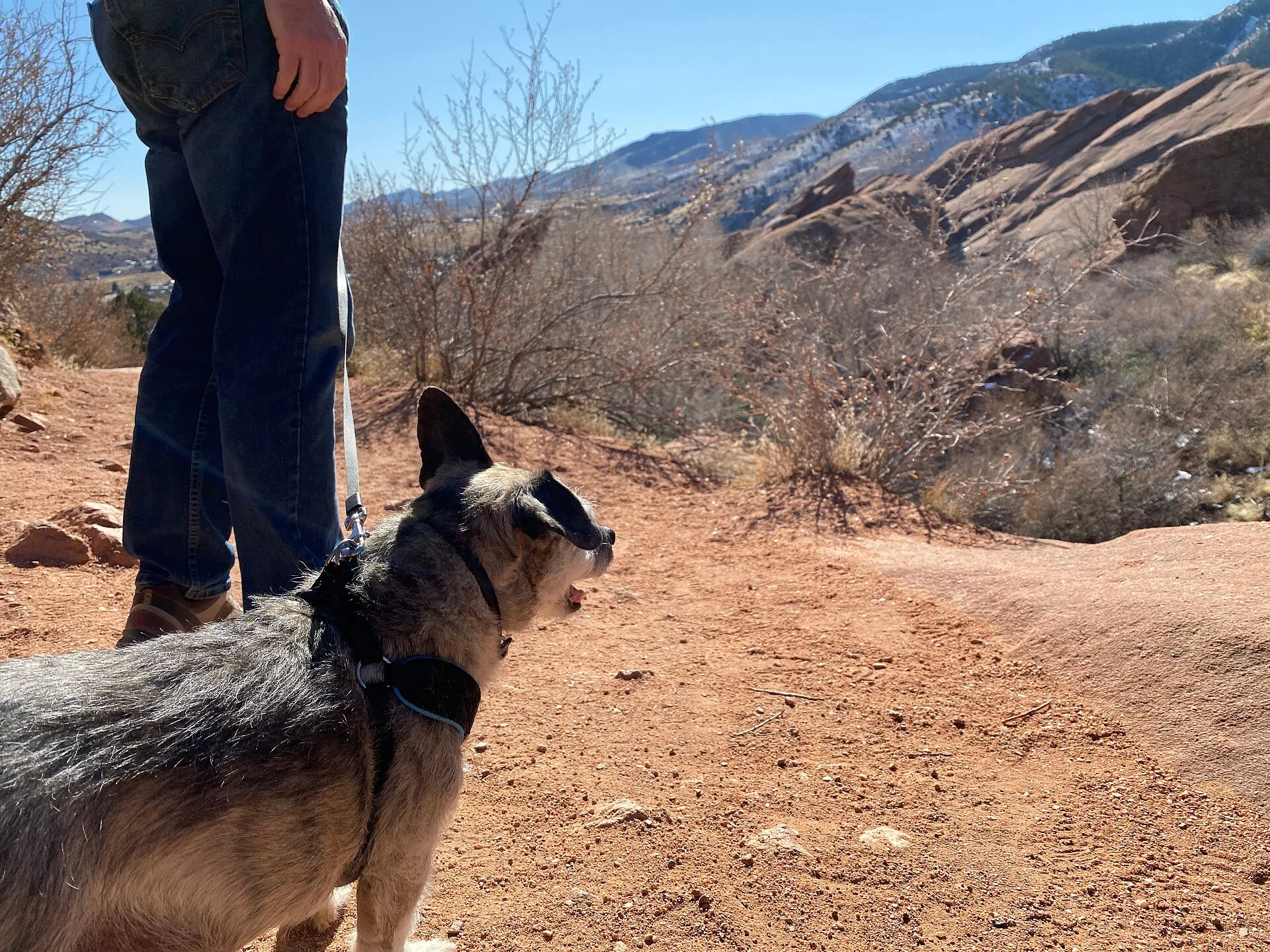
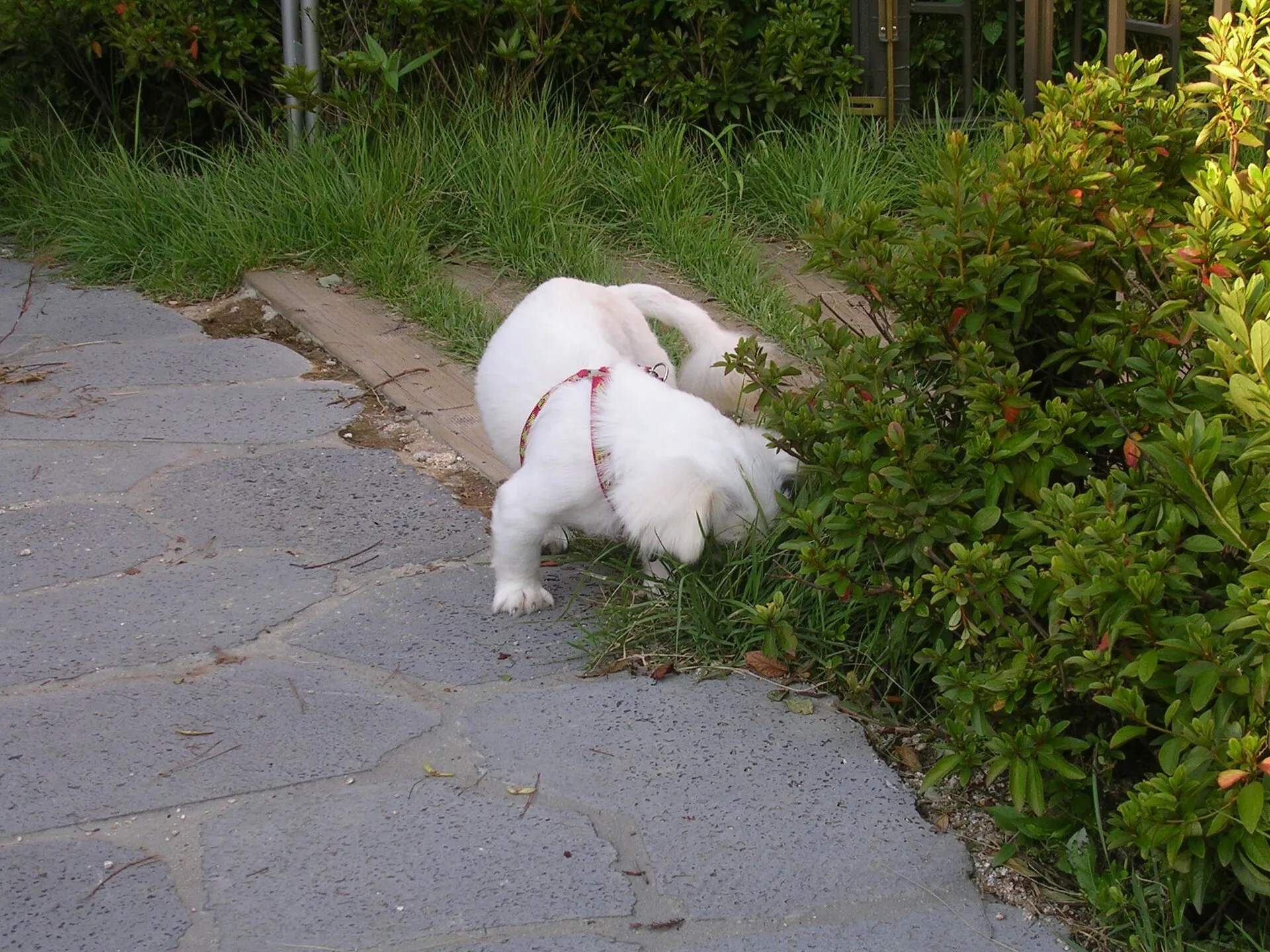
Dogs eat grass mostly because they are dogs: it is a common, normal behaviour, and the best studies we have suggest most dogs are not ill before they do it and do not vomit afterwards. The real risks are usually not the grass but what is on it, such as slugs carrying lungworm, lawn chemicals and grass seeds, and grass eating is worth a vet visit only when it is new, frantic or comes with other symptoms.
That runs against the folk wisdom that a dog eats grass to settle its stomach. The research is more interesting than that, and a little humbling for anyone sure they know what their dog is thinking.
How common is grass eating?
Very. It is one of the most ordinary things a dog does on a walk.
The best-known work comes from Sueda, Hart and colleagues. In their 2008 study, published in Applied Animal Behaviour Science, every one of 25 dogs in a survey of veterinary students’ dogs ate grass, and 79% of 47 dogs seen at a veterinary teaching hospital ate plants of some kind. They then ran an internet survey of owners of 1,571 dogs known to eat plants. According to a 2020 review in the Belgian Journal of Zoology, which tabulated the results:
- Grass was by far the most commonly eaten plant, at about 79% of reports
- 68% of these dogs ate plants daily or weekly
- 22% were reported to vomit frequently afterwards
Hart’s team later summarised another finding that matters for worried owners: only about 9% of these dogs were reported to look ill frequently before eating plants, and younger dogs ate plants more often than older ones. Young dogs are generally the healthiest, which is not what you would expect if grass were mainly a remedy.
Not every survey finds rates this high. A 2013 study cited in the same review found that 32% of 234 dogs ate grass, based on owner interviews at routine check-ups. How the question is asked, and which dogs are asked about, changes the answer.
Do dogs eat grass to make themselves sick?
This is the big one, and the evidence mostly says no.
When researchers have watched dogs directly rather than relying on owners’ memories, vomiting after grass is rare. In two studies by Bjone and colleagues, published in 2007 and 2009, observers recorded 2,108 grass-eating bouts by 36 dogs, according to the 2020 review. Vomiting followed just 11 of them, about 0.5%. In the 2009 study, all 26 puppies observed ate grass, with 6 vomits across 1,399 grass-eating events.
So why do surveys find around a fifth of owners reporting frequent vomiting? The authors of the 2020 review suggest a few reasons: owners who already believe grass causes vomiting, a wider mix of breeds and health problems in the general population, different grass species, and pesticides on lawns. There is also simple memory bias. A dog that throws up green slime on your rug makes a lasting impression; a dog that grazes quietly at the edge of the path does not.
Vet advice is not entirely on one side, either. PDSA’s guide to vomiting notes that dogs often eat grass, especially if they are feeling sick. Both things can be true: most grass eating has nothing to do with feeling ill, and some dogs with an upset stomach will also eat grass.
The leading theory: an inherited habit
If dogs are not mostly self-medicating, why bother? The idea with the most support is that grass eating is an inherited behaviour passed down from wild ancestors.
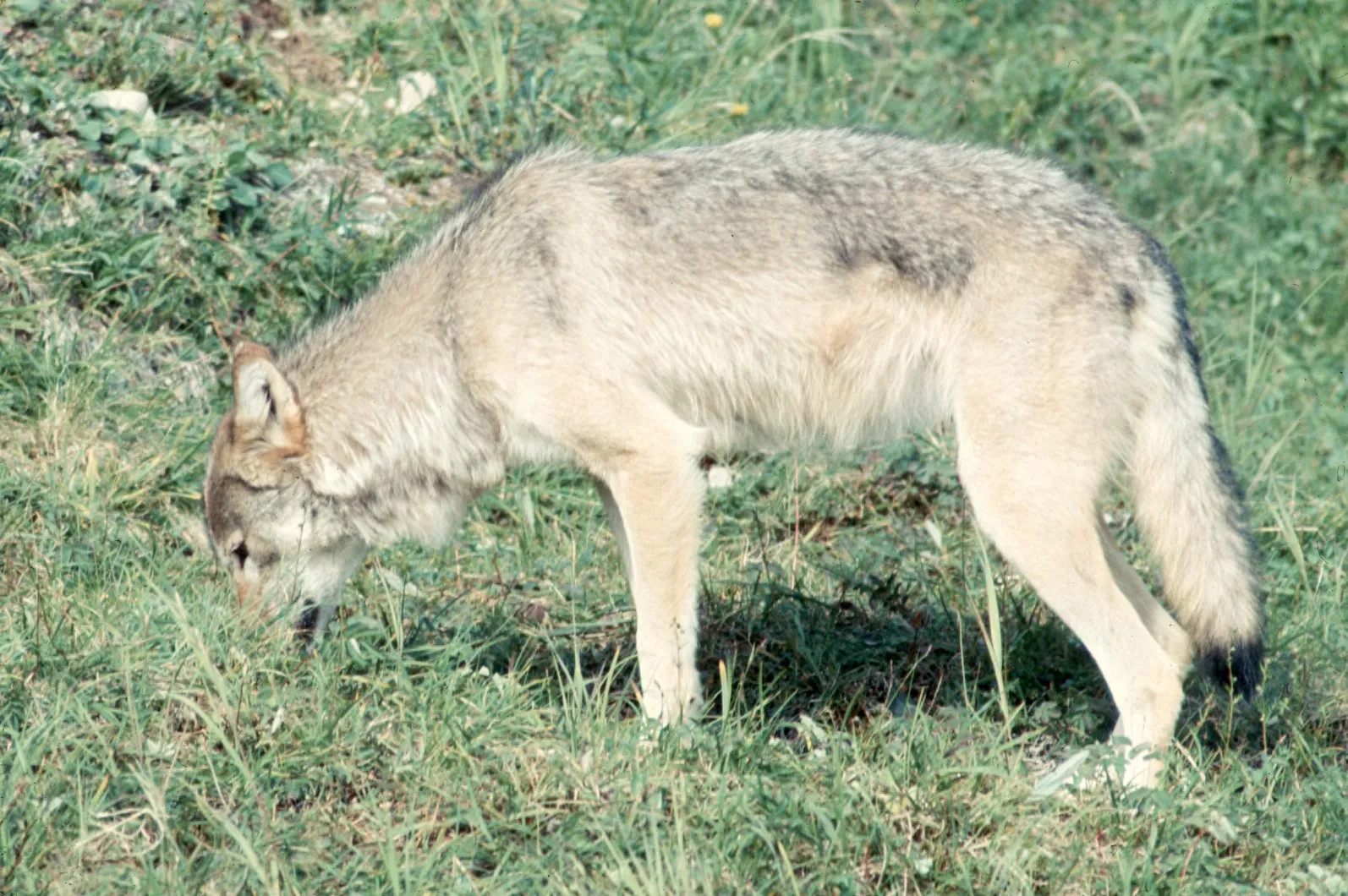
Grass eating is everywhere in the dog’s extended family. The 2020 Belgian Journal of Zoology review searched 352 studies of carnivore diets and found evidence of fibrous plant eating in 124 species, about 41% of the order, with grass recorded in 95 species.
Why would a meat-eater evolve to eat grass? Hart’s group points to the parasite-purging hypothesis. In 1944, the wolf researcher Murie found blades of grass wrapped around intestinal worms in wolf droppings and suggested grass might have a “scouring effect”. Since virtually all wild carnivores carry some worms, Hart and colleagues argue that regular plant eating could help keep the parasite load tolerable. The 2020 review found nine studies across eight carnivore species where grass or sedges turned up alongside intestinal parasites in droppings.
This would explain a few quirks. Bjone’s dogs ate grass more often before a meal than after, which fits the idea of an empty-stomach “flush”, and they preferred grass growing directly from the plant to cut grass. A well-wormed pet dog may simply be running ancient software that no longer has much to do.
It is still a hypothesis. Nobody has shown that a pet dog eating grass today expels meaningful numbers of worms.
Other explanations people suggest
- Fibre. There is one widely quoted case report, from 2007, of a poodle whose grass eating was always followed by vomiting and which reportedly stopped once it was moved to a high-fibre diet. One dog is not a study, but it is a reasonable conversation to have with your vet if your dog’s diet is low in fibre.
- Taste and texture. Many dogs pick fresh spring shoots and specific grasses and ignore others. Some seem to simply like it.
- Boredom or habit. Merck’s chapter on canine behaviour problems notes that many dogs, especially puppies, chew and swallow non-food items as part of exploring, and that some dogs with pica have compulsive disorders. A dog that grazes obsessively may need more to do.
When grass eating is a problem
Grass itself is rarely dangerous. These are the things worth worrying about.
Lungworm from slugs and snails
Where the lungworm parasite Angiostrongylus vasorum occurs, this is the most important reason to pay attention. PDSA explains that dogs catch lungworm by eating infected slugs and snails, often by accident while eating grass or drinking outdoors. Signs can be vague: coughing, laboured breathing, weight loss, unexplained bruising or bleeding, seizures, collapse or blindness.
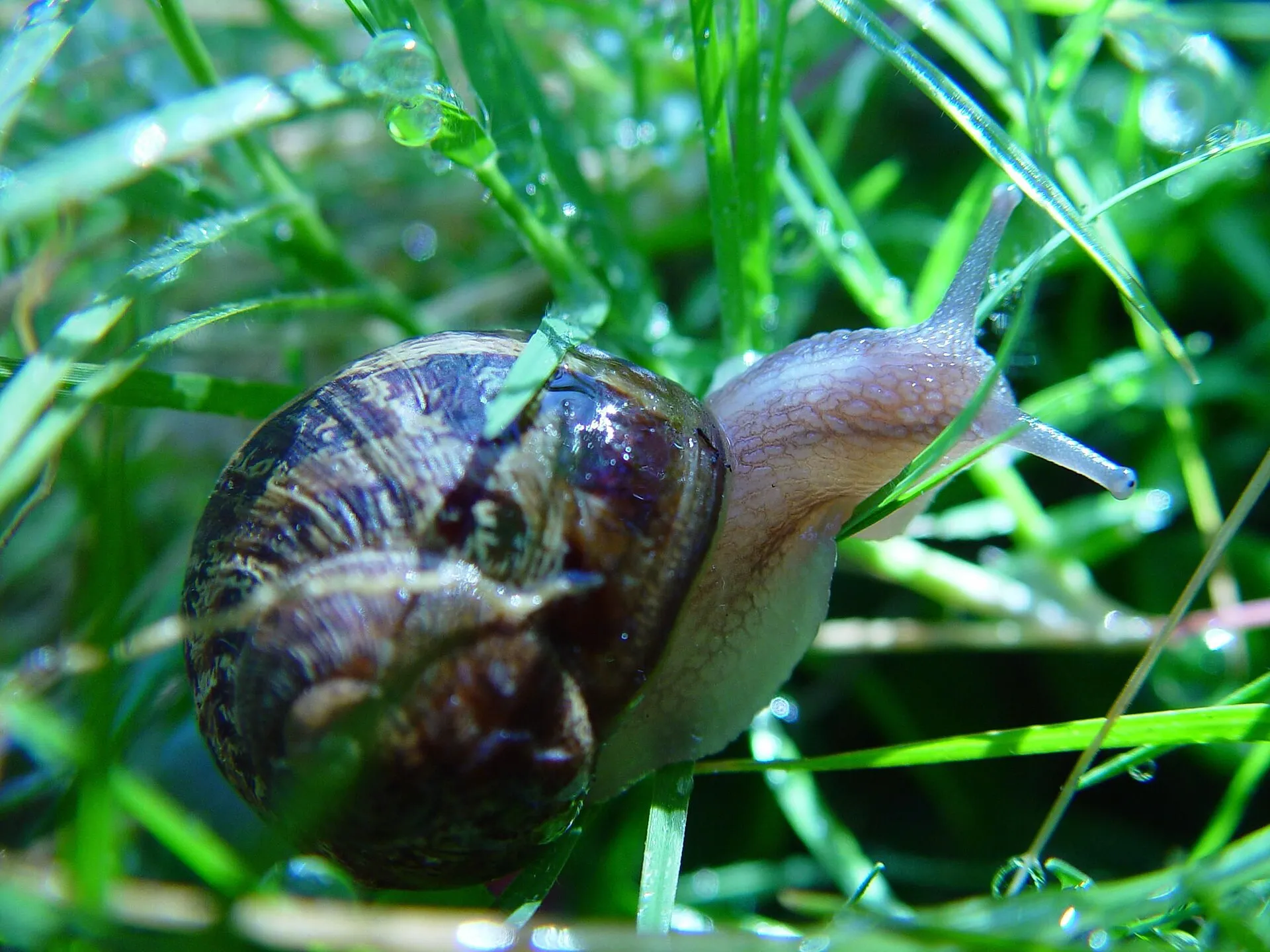
PDSA’s advice is to make sure your dog’s regular worming treatment includes lungworm protection, using a vet-licensed product, because many products sold in shops are not licensed for it. Lungworm distribution varies a lot by country, so ask your vet what is needed where you live.
Lawn chemicals and fertiliser
A lawn that looks perfect may have been treated. Pet Poison Helpline notes that small amounts of fertiliser usually cause only a mild stomach upset, but larger amounts can cause serious poisoning, and many products also contain herbicides, pesticides or fungicides. Meal-based fertilisers such as bone meal and blood meal can form a solid mass in the stomach. Watch for drooling, vomiting, diarrhoea, a hunched posture or breathing trouble.
Avoid letting your dog graze on verges, parks or neighbours’ lawns that may have been sprayed, and keep your dog off your own lawn for as long as the product label says after treatment.
Toxic garden plants
A dog that grazes freely may not stop at grass. ASPCA keeps a searchable list of plants reported to cause systemic or severe digestive effects in animals. If you are not sure about a plant, check our Is it toxic? tool or call your vet. In the US, the ASPCA Animal Poison Control Center is on (888) 426-4435.
Grass seeds
In summer, the problem moves from what dogs eat to what sticks to them. PDSA warns that grass seeds lodge in ears, between toes, behind eyelids and in armpits, and can migrate under the skin. Head shaking, a weepy eye or a dog licking one paw obsessively after a walk in long grass are all reasons to check, and early removal causes fewer problems.
See a vet now if:
- Your dog is eating grass frantically or suddenly much more than usual
- Grass eating comes with repeated vomiting, blood in vomit or stool, or diarrhoea lasting more than 2–3 days
- Your dog is lethargic, off food, losing weight, or seems to have a sore belly
- Your dog is retching without bringing anything up or has a swollen belly, which can signal bloat, a life-threatening emergency
- You think your dog has eaten fertiliser, grass from a treated lawn or a toxic plant
- Your dog is coughing, breathing hard, bleeding or bruising easily (possible lungworm)
How to cut down on grass eating
If your dog’s grazing bothers you, or you walk somewhere you cannot be sure the grass is clean, these help:
- Keep parasite control current, including lungworm cover where your vet recommends it.
- Walk on untreated ground where you can, and steer clear of freshly sprayed or fertilised areas.
- Give them something better to do. Sniff walks, scatter-feeding and food puzzles use the same foraging drive. Our guide to how much exercise a dog needs covers mental work too.
- Teach a “leave it” and reward generously when your dog looks away from grass.
- Grow a safe patch. Some owners keep a pot of untreated grass at home so the habit happens somewhere clean.
- Ask your vet about diet if your dog has soft stools, vomits often or eats a low-fibre diet. Don’t overhaul the food on your own.
If your dog vomits after grazing more than occasionally, our guide to dog vomiting and when to worry will help you decide how urgent it is.
The bottom line
Grass eating is one of the most normal things a dog does. In the best studies, most grass-eating dogs were not unwell beforehand and very few vomited afterwards, and the strongest theory is an inherited habit from wild ancestors that once helped control worms. The things to manage are slugs and snails, lawn chemicals, grass seeds and toxic plants, plus up-to-date parasite control. A sudden change in grazing, or grazing with vomiting, diarrhoea, weight loss or lethargy, is your cue to call the vet.
Questions owners ask
Is it OK to let my dog eat grass?
For most healthy dogs, nibbling untreated grass now and then is normal and harmless. Keep them off lawns that have been sprayed or fertilised, check for slugs and snails, and keep their parasite treatment up to date.
Does eating grass mean my dog is sick?
Usually not. In a large owner survey, only about 9% of plant-eating dogs frequently looked ill before eating plants, and young dogs, which are rarely ill, ate plants most often. A sudden change, or grass eating with other symptoms, is worth a vet check.
Do dogs eat grass to make themselves vomit?
The evidence says this is the exception. Researchers who watched 36 dogs through more than 2,000 grass-eating bouts saw vomiting after only 11 of them. Owners report vomiting more often, possibly because a dog that vomits on the carpet is memorable and one that grazes quietly is not.
Should I add fibre to my dog's diet to stop grass eating?
There is only weak evidence, mainly a single case report of a poodle that stopped vomiting after grass once it was moved to a high-fibre diet. Talk to your vet before changing food, especially if your dog also has digestive signs.
Why does my dog eat grass and then vomit every time?
That pattern is less typical and deserves a vet visit. Repeated vomiting can point to a digestive, dietary or other medical problem, and the grass may be a sign of that rather than the cause.
Sources
- Franck & Farid (2020): Many species of the Carnivora consume grass and other fibrous plant tissues, Belgian Journal of Zoology 150
- Hart, Hart, Thigpen & Willits (2021): Characteristics of Plant Eating in Domestic Cats, Animals 11(7) (reviews the dog findings of Sueda et al., 2008)
- Merck Veterinary Manual: Behavior Problems of Dogs (eating disorders and pica)
- PDSA: Lungworm in dogs
- PDSA: Grass seeds in dogs
- PDSA: Vomiting in dogs
- Pet Poison Helpline: Fertilizers
- ASPCA Animal Poison Control: Toxic and Non-Toxic Plants
This guide is general information, not a substitute for advice from a vet who has examined your dog. Every claim is checked against the sources above. How we research and fact-check. Spotted an error? Tell us.